


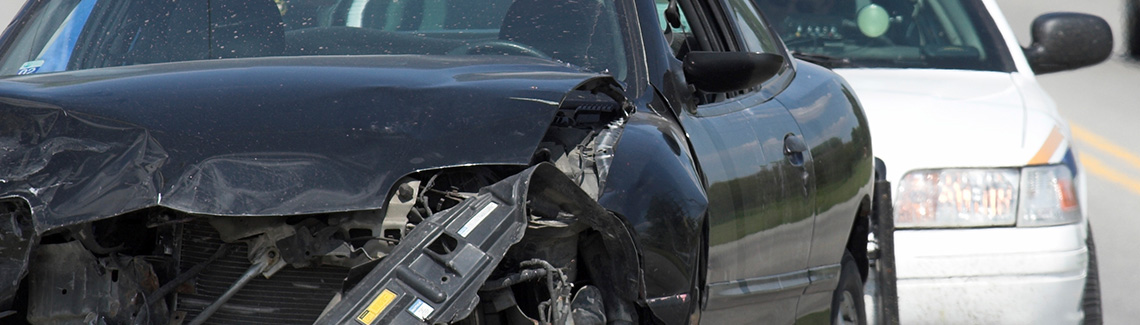
Best BuyCrash Alternatives for Reports in 2026
July 22, 2026 | | Blog
Table of Contents
- Best BuyCrash Alternatives for Accident Reports
- How to Get Accident Report for Free Without Third-Party Services
- Accessing Police Accident Report Online Through Government Portals
- Filing a Crash Report Public Records Request
- Top BuyCrash Alternatives Compared
- Direct Government Sources vs. Third-Party Aggregators
- Common Mistakes When Requesting Accident Reports
- Conclusion: Choosing the Right Path to Your Crash Report
Best BuyCrash Alternatives for Reports in 2026
Last Updated: July 22, 2026
When you’re in an accident and need official crash reports, the best BuyCrash alternatives offer faster processing, lower costs, and direct access to government sources. This guide covers the most practical pathways to obtain your accident documentation without unnecessary delays or fees.
Many individuals spend hours calling police departments or paying premium fees to third-party aggregators when free, direct options exist. This article breaks down exactly where to find accident reports, how to request them properly, and which tools genuinely save time compared to BuyCrash.
The fastest way to get your crash report isn’t always through a third-party service. Direct government portals often deliver reports within 3-5 business days at zero cost.
Why Consider Alternatives to BuyCrash?
BuyCrash charges fees for a task that government agencies often handle for free or at minimal cost. The primary advantage of alternatives is cost elimination, while BuyCrash charges per report, many state patrol offices and local police departments offer free or low-cost downloads through official portals. Processing times also matter: some direct government systems deliver reports within hours, while third-party services may take 5-10 business days.
Another consideration is data security. Direct requests to government agencies mean your information stays within the official system, reducing exposure to data breaches or misuse by intermediaries.
Georgia Accident Report simplifies this process by handling direct government requests at no cost. Rather than navigating multiple agency websites, you submit one request and receive your official police report without fees. The service also connects you with legal professionals if your accident resulted in injuries or disputes over fault.
How to Get Accident Report for Free Without Third-Party Services
Obtaining crash reports directly from government sources requires knowing which agency holds the report and how to submit a proper request. The process varies by state, but the fundamentals remain consistent: identify the correct law enforcement agency, submit a public records request, and wait for processing.
Direct Request from Local Police Departments
The most straightforward approach is contacting the police department that responded to your accident. When officers arrive at a crash scene, they complete a report that becomes part of municipal police records, public information in most jurisdictions.
Call the non-emergency line with ready information: the accident date, location, and any case or incident number. Many departments now offer online request forms on their municipal websites, which is faster than calling. Processing times vary from 24 hours to 7 business days. Ask about email delivery, which is now standard in most departments.
Cost is typically zero to fifteen dollars. Some departments waive fees if you request within 30 days for an insurance claim.
State Patrol Accident Reports and Official Channels
If your accident occurred on a state highway or interstate, the state patrol likely filed the report. State patrol accident reports are handled through state-level public records systems, which often have simplified online portals.
Contact your state’s Department of Public Safety or Highway Patrol directly. Their websites typically have a "Public Records" or "Accident Reports" section with specific instructions. Many states offer searchable databases where you can locate your report before requesting it.
State patrol reports typically cost five to twenty dollars, with processing times ranging from same-day to two weeks.
Some states require you to prove you were involved in the accident before releasing the report. Bring your driver’s license and proof of insurance when requesting in person, or include copies with mailed requests.
Accessing Police Accident Report Online Through Government Portals
The shift toward digital government services means many jurisdictions now offer online accident report access, delivering reports directly to your email within hours.
State-Specific Online Portal Directories
Every state maintains different systems for accident report distribution. Start with your state’s official website and search for "accident report portal," "public records request," or "traffic collision reports."
Common portal names include state Department of Public Safety online records systems, county sheriff’s office public records portals, municipal police department online request forms, and state patrol electronic report distribution systems.
Many portals allow you to search for your report before requesting it. Once located, you can request it, pay any applicable fee online, and receive it via email. Processing through online portals typically takes 2-4 hours, with some offering same-day delivery for an expedited fee.
Municipal Website Resources and County Records
If your accident occurred within city limits, start with the city police department’s website. Most municipal departments now have dedicated pages for accident report requests under "Public Records," "Services," or "Police Reports."
County sheriff offices maintain records for accidents in unincorporated areas. Look for online request forms, direct email addresses for records requests, phone numbers for the records department, fee schedules, processing time estimates, and required information (date, location, parties involved).
Many jurisdictions now accept credit card payments online, eliminating the need to mail checks.
Filing a Crash Report Public Records Request
When direct requests don’t yield results, a formal public records request (FOIA request) creates an official record and may provide additional legal protections.
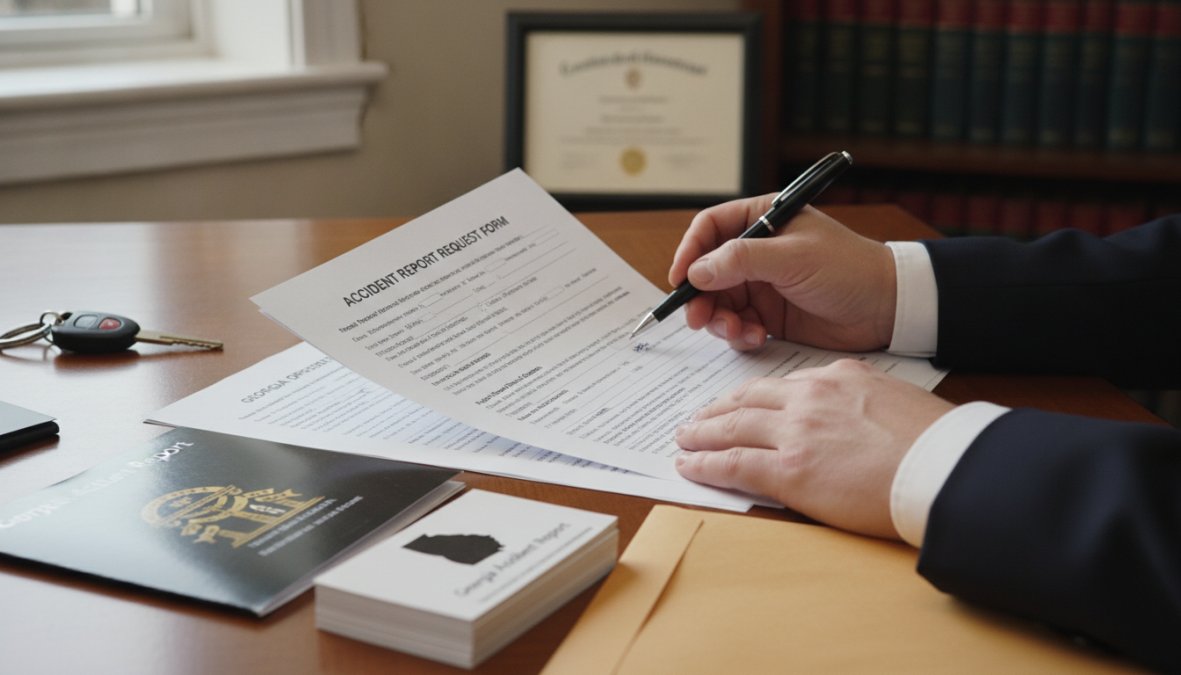
Step-by-Step FOIA Request Template
A public records request is a formal legal document that triggers mandatory government response timelines. Most states require agencies to respond within 10-30 days.
[Your Name]
[Your Address]
[Your Phone Number]
[Your Email]
[Date]
[Police Department Name]
Public Records Department
[Department Address]
RE: Public Records Request for Accident Report
Dear Public Records Officer,
I am requesting a copy of the accident report filed on [DATE] for an incident that occurred at [LOCATION].
Incident Details:
- Date: [MM/DD/YYYY]
- Time: [approximate time, if known]
- Location: [street address or intersection]
- Case/Incident Number: [if you have it]
Please provide the complete accident report in electronic format (PDF) sent to [your email address]. If there are applicable fees, please notify me of the amount before processing.
This request is submitted pursuant to [Your State] Public Records Law, and I expect a response within the timeframe required by state law.
Thank you,
[Your Signature]
[Your Printed Name]
Submit by email if the department accepts electronic requests, or mail it certified if email isn’t available. Keep a copy for your records.
Processing Times and Digital Delivery Options
Most states require response within 10 business days, though complex requests may extend to 20-30 days. Simple requests like accident reports often process within 2-5 days.
Specify that you want reports emailed as PDFs to eliminate mailing delays. If an agency delays beyond the legal timeframe without justification, you can file a complaint with your state’s attorney general.
Top BuyCrash Alternatives Compared
Georgia Accident Report: Free Service with Legal Support
Georgia Accident Report provides a free service that handles the entire process of obtaining your official police accident report. Rather than navigating multiple agencies, you submit one request and receive your official documentation.
When you request a report through Georgia Accident Report, their team contacts the relevant police department or state patrol directly. Beyond report retrieval, the service connects you with car accident and injury lawyers if your situation requires legal guidance, without obligation to hire representation.
The process is straightforward: submit your accident details online, and Georgia Accident Report handles the rest. You receive your official report by email once the police department releases it. There are no hidden fees or obligations.
LexisNexis eCrash: Law Enforcement Integration
LexisNexis eCrash is an electronic crash report system used by law enforcement agencies to digitize and distribute accident reports. If your local department uses eCrash, you can request and download your report online immediately.
The disadvantage is that eCrash is agency-dependent. Not all police departments use it, and those that do typically charge $15-30 per report. eCrash works best if your local agency already uses it and you’re comfortable paying the standard fee for immediate digital access.
GovTransfer: Agency-Powered Report Distribution
GovTransfer is a free software platform that law enforcement agencies use to simplify public records requests. Citizens can submit requests through an online portal, track status, and receive reports digitally.
The limitation is that GovTransfer depends on agency adoption. If your local police department doesn’t use it, this option isn’t available.
Direct Government Sources vs. Third-Party Aggregators
Why Direct Requests Save Money and Time
Direct requests to government agencies eliminate the markup that third-party services charge. When you call your local police department or submit a request through their website, you pay only the agency’s actual cost, usually zero to fifteen dollars. Third-party services typically charge thirty to fifty dollars for what might cost five dollars directly.
Direct requests also give you more control. You know exactly which agency has your report, you communicate directly with them, and you can follow up if there’s a delay.
For most situations, a direct request to your local police department or state patrol will get you your accident report faster and cheaper than any third-party service. The process takes 10-15 minutes and costs nothing to fifteen dollars.
Authorized Access and Security Considerations
Accident reports contain personal information: names, addresses, phone numbers, insurance details, and injury descriptions. Government agencies have strict data protection requirements and legal liability if they mishandle information. Third-party services have fewer legal obligations and sometimes weaker security practices.
Direct requests keep your information within the government system, reducing exposure. If you do use a third-party service, verify their security practices and look for HTTPS encryption, clear privacy policies, and evidence of data protection compliance.
Common Mistakes When Requesting Accident Reports
Requesting from the wrong agency. Many people call their city police department when the accident occurred on a state highway (state patrol jurisdiction). Confirm which agency responded before submitting a request.
Missing critical information. Provide the exact date, time, and location. If you have a case or incident number, include it. Vague requests force manual searches and delay processing.
Not following up on delays. If an agency doesn’t respond within their stated timeframe, call and ask about status. Following up often accelerates processing.
Assuming fees apply everywhere. Some jurisdictions offer free reports within 30 days. Ask about fees upfront rather than assuming you’ll be charged.
Requesting through multiple channels simultaneously. Pick one method and wait for a response before trying another to avoid confusion and duplicate work.
Not requesting in writing when needed. For legal or insurance purposes, a written request creates a documented record. Phone requests are faster but leave no proof of when you requested the report.
Frequently Asked Questions
Can I really get an accident report for free instead of using BuyCrash?
Yes. Most accident reports are public records that you can obtain directly from the police department or law enforcement agency that responded to the crash. You can request reports in person, by phone, or through FOIA/public records requests. Many agencies now offer online portals for digital delivery. While some law enforcement agencies use third-party services like LexisNexis eCrash to distribute reports, you always have the right to request the official copy directly, which typically costs nothing or minimal fees for processing.
What's the difference between getting a crash report directly from police versus through a service like BuyCrash?
Direct requests go straight to the law enforcement agency that created the report, ensuring you get the official copy. Third-party services like BuyCrash act as intermediaries, handling the retrieval and charging a fee for convenience. Direct requests usually take longer (3-14 days) but cost less or nothing. Services charge fees ($30-50+) but may deliver faster. The report itself is identical, the difference is in processing time, cost, and convenience. For insurance claims, either version works, but direct requests give you control and save money.
How long does it take to get a police accident report using alternatives to BuyCrash?
Processing times vary by agency and method. In-person requests at police departments typically take 24-48 hours. Phone requests may take 3-7 business days. FOIA/public records requests through mail or online portals usually take 5-14 business days, depending on state law and agency workload. Some agencies with online portals offer same-day or next-day digital delivery. Emergency or priority requests sometimes expedite processing. Always ask about rush options when requesting, many agencies offer faster service for a small additional fee.
What if my local police department doesn't have an online portal or easy request process?
You have several options. First, call the non-emergency line to ask about their report request process and fees. Second, visit in person during business hours, most departments can provide reports same-day or within 24 hours. Third, submit a formal FOIA or public records request by mail or email, which forces agencies to respond within state-mandated timelines (usually 10-20 days). Fourth, contact your county clerk's office or records department, as they sometimes maintain copies. Finally, services like Georgia Accident Report can handle the retrieval process for you at no cost, connecting you with resources and legal support if needed.
Are there state-specific online portals where I can download my crash report directly?
Many states have implemented online portals for accident report retrieval, but availability varies significantly by state and individual law enforcement agency. Some states offer statewide systems through the state patrol or department of transportation. Others require requests through individual municipal or county websites. Georgia, for example, has various county and municipal portals. To find your state's portal, search '[Your State] accident report online portal' or contact your local police department's non-emergency line. If no portal exists, FOIA requests and in-person visits remain reliable alternatives for obtaining official copies.
Getting your accident report doesn’t require paying intermediaries when direct government access exists. The process is straightforward once you know which agency holds your report and how to request it. For Georgia residents dealing with accidents that require legal guidance or insurance documentation, Georgia Accident Report eliminates the administrative burden entirely, submit your details once and receive your official report at no cost, with legal support available if you need it.
This article was written using GrandRanker
Request a copy of your free accident report:
"*" indicates required fields