


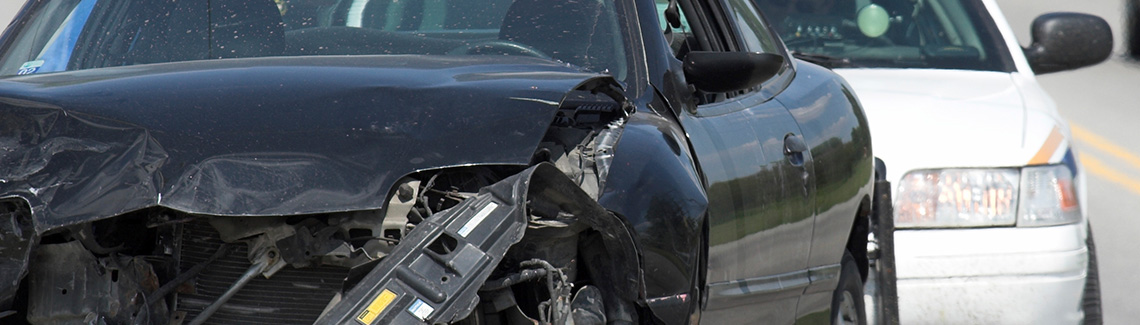
Best Services for Retrieving Car Accident Records
October 22, 2026 | Firm Name | Blog

Table of Contents
- Why Retrieving Car Accident Records Matters
- How to Get a Car Accident Report: Your Main Options
- Request a Car Accident Report Online
- Police Accident Report Lookup: Finding the Right Agency
- How Long Does It Take to Get a Police Accident Report
- What Information You’ll Need to Locate Your Report
- Comparing Retrieval Methods: Speed, Cost, and Access
- Eligibility and Privacy: Who Can Request a Report
- Frequently Asked Questions
Last Updated: October 22, 2026
Why Retrieving Car Accident Records Matters
To get your FREE accident report please fill out the yellow form.
Getting your official police accident report is one of the most critical steps after a crash. Without it, you’re working with incomplete information and no official record to back up your account of what happened. (Source: National Highway Traffic Safety Administration (NHTSA) data)
The challenge is that retrieving car accident records isn’t always straightforward. Police departments, state patrol agencies, and local authorities each handle reports differently. Some offer online access. Others require you to call, visit in person, or submit a written request by mail.
At Georgia Accident Report, we understand how confusing this process becomes for people dealing with the aftermath of a collision. You’re managing injuries, handling insurance calls, and potentially dealing with legal questions, the last thing you need is to spend hours calling different departments trying to locate your report.
How to Get a Car Accident Report: Your Main Options
You have several pathways to retrieve your accident report, each with different timelines, costs, and requirements. The best option depends on your situation: how quickly you need the report, which agency handled your crash, and whether you prefer handling it yourself or using a service.
Direct Contact with the Responding Agency
The most direct approach is contacting the police department or state patrol agency that responded to your crash. If a local police officer filed the report, you’ll contact the local police department’s records division. If a state trooper was involved, you’ll reach out to your state patrol.
This method gives you direct access to the agency holding your report. You can ask specific questions about what information is included, whether the report is finalized, and what documentation you need to provide.
Many departments have dedicated records divisions with specific phone lines and hours. Some can provide basic information over the phone about whether a report exists. Others require you to submit a formal request before they’ll discuss details. Having your crash date, location, and involved parties’ names ready will speed up the process significantly.
Free Retrieval Services
Several options exist for obtaining your report without paying a retrieval fee. Some insurance companies will request the report on your behalf as part of their claims process, simply ask your agent or claims adjuster to handle it. Many will do this automatically once you file a claim.
Georgia Accident Report offers a free service that handles the retrieval process for you. Instead of calling multiple departments yourself, you submit your crash information once, and we contact the appropriate agencies to obtain your official report. This eliminates the back-and-forth and the uncertainty of whether you’re contacting the right department.
Legal aid organizations and victim advocacy groups sometimes assist with report retrieval, particularly if you’ve suffered significant injuries. These services are typically free but may have eligibility requirements based on income or injury severity.
Request a Car Accident Report Online
Online report requests represent the fastest option when your local agency offers them. Many police departments and state patrol agencies now provide online portals where you can submit your request electronically and sometimes receive your report digitally within days.
The process is straightforward: you visit the agency’s website, locate their records request portal, enter your crash information, and submit. Some systems allow you to pay any applicable fee online and track your request status in real time. Others require you to print and mail a check, which reintroduces delays.
The advantage is convenience and speed. You’re not dependent on business hours or phone availability. The disadvantage is that not all agencies offer this option yet. Rural departments and smaller jurisdictions may still require phone calls or mail requests.
Police Accident Report Lookup: Finding the Right Agency
One of the biggest obstacles people face is simply identifying which agency has their report. If multiple agencies responded to your crash, determining which one filed the official report matters because that’s the agency you need to contact.
Identifying Which Agency Responded to Your Crash
Start with your crash location. If the accident occurred on a city street, contact the local police department for that city. If it happened on a county road outside city limits, contact the county sheriff’s office.
Your insurance documents often specify which agency was called. Check your initial claim paperwork, it may include the responding officer’s name and badge number, which makes locating the correct department easier. If you have photos from the scene, you might see police car markings that indicate the agency.
If you’re uncertain, calling the non-emergency police line for the city where the crash occurred is a safe starting point. They can tell you whether they have the report or direct you to the correct agency. This single call often saves you from contacting the wrong department multiple times.
State and Local Crash Report Portals
Many states maintain centralized crash report databases or portals. Georgia, for example, provides access to crash records through official state channels. These portals vary in functionality, some allow you to search for reports online, while others simply provide information about how to request records from specific agencies.
Researching your state’s official portal before contacting individual departments can clarify the process. State patrol websites typically explain how reports are filed, which agencies maintain records, and what the request timeline looks like. Some states offer downloadable request forms that you can print and mail, which is helpful if you prefer written documentation of your request.
How Long Does It Take to Get a Police Accident Report
Processing time depends entirely on which method you choose and how busy the agency is. Understanding realistic timelines helps you plan accordingly, especially if you have insurance or legal deadlines.
Direct requests to police departments typically take 5-15 business days, though this varies significantly. High-volume departments in major cities might take longer. Rural departments with smaller staff might process requests faster. Some agencies prioritize requests made in person, which can reduce the timeline to 1-3 days if you’re willing to visit their office.
Online requests through official portals often process faster, sometimes 3-7 business days, because they’re automatically routed through the system. Mail requests typically take 10-20 business days because of postal delays plus processing time.
Using a retrieval service like Georgia Accident Report can simplify the process because we handle the follow-up calls and status checks.
Request a copy of your free accident report →
What Information You’ll Need to Locate Your Report
Having the right information ready before you contact an agency significantly speeds up the process. Agencies use specific data points to locate your report in their systems.
You’ll need your crash date and the approximate time of day. You’ll need the specific location, the street names or intersection where the crash occurred, plus the city. If you know the responding officer’s name or badge number, include that.
Your vehicle information, make, model, color, and license plate number, assists in verification. If you have a case or incident number from your insurance claim, that’s valuable too.
The more specific you can be, the faster the agency can retrieve your report. Vague information like “somewhere on Main Street” or “sometime in the afternoon” requires staff to search through multiple reports, which delays your request.
Comparing Retrieval Methods: Speed, Cost, and Access
Different retrieval methods offer distinct advantages depending on your priorities. Understanding how they compare helps you choose the right approach for your situation.
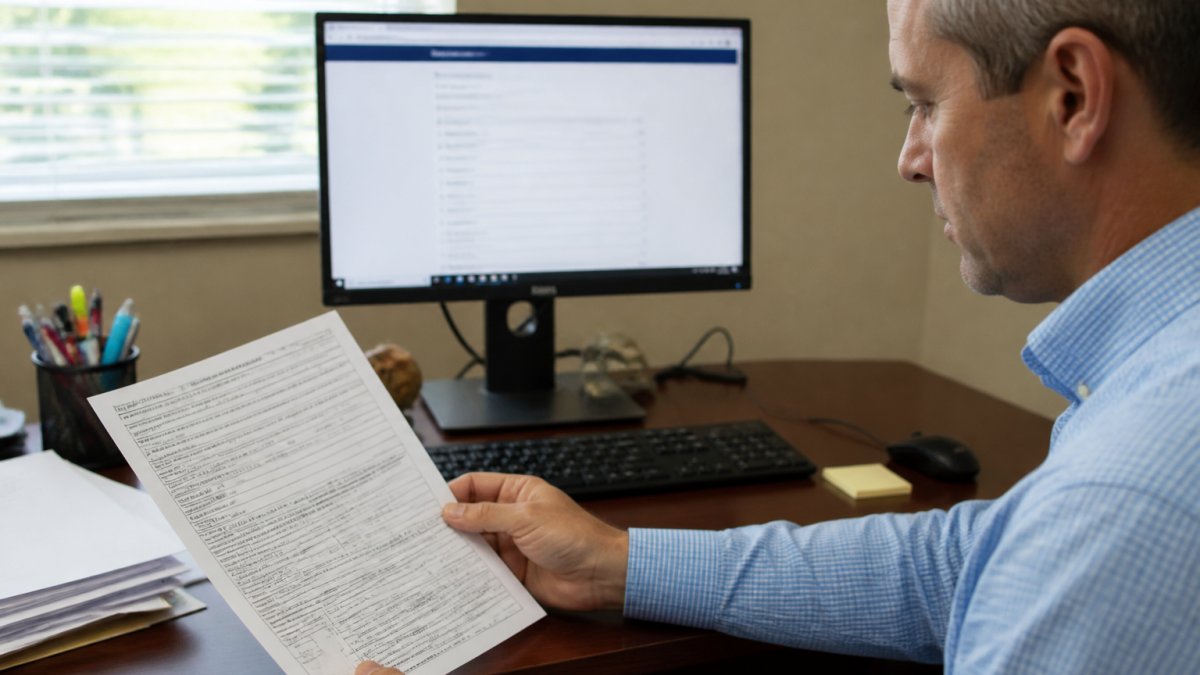
In-Person Requests vs. Mail vs. Online
In-person requests offer the fastest turnaround if the records division is located near you. You can often walk out with a copy the same day or within 24 hours. The downside is time, you’re committing to a trip during business hours, potentially waiting in line, and handling it yourself.
Mail requests are the most hands-off but slowest. You prepare your request, mail it with payment, and wait for the agency to process it and mail the report back to you. Total time often exceeds 3-4 weeks when you factor in postal delays on both ends.
Online requests strike a middle ground. They’re faster than mail, more convenient than in-person visits, and you can submit them anytime. Processing time is typically 5-10 business days. The limitation is that not all agencies offer this option.
|
Method |
Processing Time |
Cost |
Convenience |
Best For |
|---|---|---|---|---|
|
In-person |
Same day to 1 day |
Varies |
Low |
Urgent needs, local agencies |
|
|
3-4 weeks |
Varies |
High |
Non-urgent requests, remote locations |
|
Online |
5-10 business days |
Varies |
High |
Standard requests, tech-comfortable users |
|
Retrieval service |
5-15 business days |
Free |
Very high |
Complex situations, multiple agencies |
Third-Party Retrieval Services and Their Limitations
Third-party retrieval services handle the request process for you, which eliminates the legwork. However, they have limitations you should understand.
Services vary in coverage. Some operate nationwide, while others focus on specific states or regions. Some specialize in particular types of records, while others handle all accident reports.
Turnaround time with retrieval services is typically 5-15 business days, which isn’t necessarily faster than doing it yourself online.
Some retrieval services charge fees, while others operate on a free model. Georgia Accident Report charges nothing for report retrieval, which removes a financial barrier.
The limitation of any retrieval service is that they can’t force agencies to process faster. If an agency is backlogged, your report will wait in queue regardless of who submitted the request.
Eligibility and Privacy: Who Can Request a Report
Not everyone can request a police accident report. Eligibility depends on your relationship to the accident and your state’s public records laws.
Generally, you can request your own report if you were involved in the crash as a driver, passenger, or property owner affected by the accident. Insurance companies can request reports on behalf of their policyholders.
What you cannot do is request a report about someone else’s accident just out of curiosity.
Privacy protections vary by state. Some states redact certain information from reports before releasing them, such as Social Security numbers, driver’s license numbers, or home addresses.
When you request your report through Georgia Accident Report, we handle the eligibility verification.
Getting your official accident report doesn’t have to be a drawn-out process of calling multiple departments and navigating confusing portals.
Frequently Asked Questions
How long does it typically take to receive a car accident report after requesting one?
Processing times vary by agency and request method. Online requests through state portals often take 5–10 business days, while mail requests may take 2–3 weeks. In-person requests at the records division can sometimes be fulfilled the same day. Free retrieval services handle the agency contact on your behalf, which can reduce delays caused by calling multiple departments. Contact your responding agency directly for their specific turnaround time, as some rural counties process requests more slowly than urban police departments.
What information do I need to request a car accident report?
You’ll typically need the crash date, crash location (street address or intersection), names of involved parties, vehicle information (make, model, license plate), and your incident or case number if available. Some agencies require proof of identity and may ask for your relationship to the accident (driver, passenger, witness, insurance company). Having the responding agency’s name speeds up the process—if you’re unsure which department responded, check your insurance paperwork or contact the non-emergency police line for the area where the accident occurred.
Can I get a car accident report online, or do I have to go in person?
Many agencies now offer online request options through state or local crash records systems, though availability varies by jurisdiction. Online requests are convenient but processing times depend on the agency. In-person requests at the police department’s records division are often faster if you need the report urgently. Mail requests are also available but take longer. Some free retrieval services handle the entire process online on your behalf, eliminating the need to contact multiple agencies yourself.
Will the accident report I receive be accepted by my insurance company?
Yes, official police accident reports obtained directly from the responding agency or through authorized retrieval services are accepted by insurance companies. These are certified or uncertified copies of the official incident report filed by the investigating officer. Avoid unofficial versions or summaries—your insurance company needs the actual police report to process your claim. If you’re uncertain whether a report meets your insurer’s requirements, contact your insurance agent with the report details before submitting it.
Request a copy of your free accident report:
"*" indicates required fields