


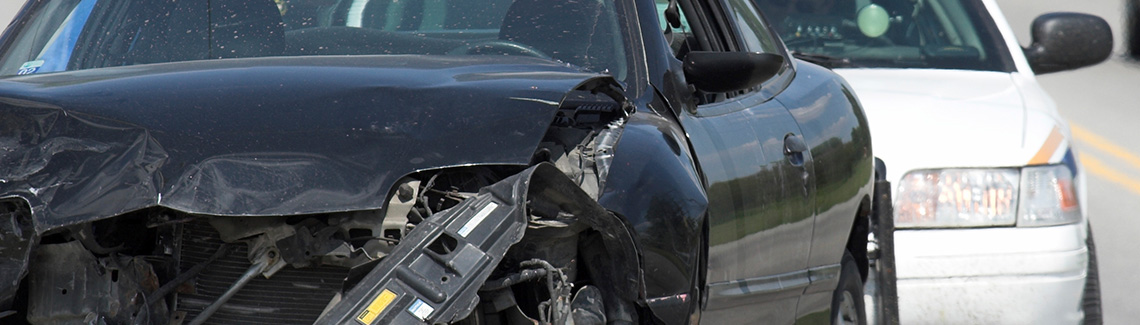
Settlement vs Trial: What Car Accident Victims Should Know
October 14, 2026 | Firm Name | Blog

Table of Contents
- Settlement vs Trial: Understanding Your Options After a Car Accident
- How the Car Accident Settlement Process Works
- The Car Accident Lawsuit Process: When Cases Go to Trial
- Car Accident Settlement Timeline vs Trial Duration
- Settlement Offer vs Trial: Key Differences in Certainty and Risk
- Costs, Expenses, and What You Actually Receive
- Deciding When to Accept a Settlement or Proceed to Trial
- What Happens After Accepting or Rejecting an Offer
- Frequently Asked Questions
Last Updated: October 11, 2026
Settlement vs Trial: Understanding Your Options After a Car Accident
After a car accident, you face a critical decision in the settlement vs trial choice: accept a settlement offer or pursue your case through trial. At Georgia Accident Report, we help accident victims navigate this decision by ensuring they have the official documentation needed to make an informed choice. (Source: National Highway Traffic Safety Administration (NHTSA) data)
A settlement is a negotiated agreement where the insurance company pays you a specific amount to resolve your claim without going to court. A trial is a formal court proceeding where a judge or jury decides the outcome and awards damages based on evidence presented by both sides.
The path you choose depends on factors like injury severity, medical certainty, insurance policy limits, and your risk tolerance. Understanding how each process works is the first step toward making the right decision for your situation.
How the Car Accident Settlement Process Works
The car accident settlement process begins immediately after your crash and typically unfolds in stages. Most accident victims never reach trial, settlements resolve the majority of car accident claims.
Initial Claim Filing and Investigation
Your claim starts when you notify the insurance company of the accident. You’ll provide details about what happened, the parties involved, and initial injuries or damage.
This investigation phase typically takes 2-4 weeks. During this time, the adjuster determines liability (who was at fault) and estimates the claim’s value. The official police report is critical here, it documents the accident facts and often influences the adjuster’s initial assessment of fault.
The adjuster may contact you for a recorded statement. You’re not required to give one, and many accident victims benefit from consulting with a lawyer before doing so. Anything you say can be used against your claim if the insurer disputes liability or injury severity.
Demand Letter and Negotiation
Once your injuries stabilize and you’ve completed or substantially progressed through medical treatment, your attorney (if you have one) or you directly sends a demand letter to the insurance company. This letter outlines your injuries, medical expenses, lost wages, property damage, and pain and suffering, requesting a specific settlement amount.
The insurance company typically responds with a counteroffer, usually lower than your demand. Negotiation follows, with both sides exchanging offers until you reach an agreement or decide to reject the final offer and pursue trial.
Settlement negotiations can take weeks or months. Many cases settle during this back-and-forth phase. If you accept an offer, you sign a release of liability, which means you give up the right to sue the insurance company or at-fault driver for that accident. The settlement is final.
The Car Accident Lawsuit Process: When Cases Go to Trial
When settlement negotiations fail or you reject the final offer, your case moves into litigation. The car accident lawsuit process is more formal, time-consuming, and expensive than settlement negotiations.
Filing a Lawsuit and Discovery
Your attorney files a complaint in court, officially starting the lawsuit. The at-fault driver (now the defendant) is served with legal papers. Both sides then enter the discovery phase, where they exchange evidence: medical records, witness statements, police reports, photographs, repair estimates, and expert opinions.
Depositions occur during discovery. These are recorded interviews where each party’s attorney questions the other side’s witnesses and experts under oath. Depositions create a permanent record and help both sides assess case strength.
Discovery typically lasts 6-12 months, depending on case complexity. This phase is expensive, attorney fees, expert witness fees, court costs, and document production add up quickly.
Trial and Jury Verdict
If the case doesn’t settle during or after discovery, it proceeds to trial. A judge or jury hears evidence from both sides, including witness testimony and expert opinions. The plaintiff (you) must prove the defendant was negligent and caused your injuries. The defendant may argue comparative negligence, that you shared fault for the accident.
After closing arguments, the jury deliberates and reaches a verdict. If they find the defendant liable, they award damages. If they find the defendant not liable or determine you were partially at fault, you may receive reduced damages or nothing at all.
Trial typically lasts 3-7 days, though complex cases take longer. The entire lawsuit process from filing to verdict often takes 1-3 years.
Car Accident Settlement Timeline vs Trial Duration
Timeline is one of the most significant differences between settlement and trial. Understanding how long each path takes helps you plan financially and emotionally.
Settlement timeline: Most settlements resolve within 6-12 months from the accident date. Simple cases with clear liability and minor injuries can settle in 2-3 months.
Trial timeline: From accident to jury verdict typically takes 2-4 years. This includes investigation (2-4 weeks), claim filing and negotiation (2-6 months), lawsuit filing (immediate), discovery (6-12 months), and trial preparation and trial itself (3-12 months).
The longer timeline for trial has real consequences. You delay receiving compensation while managing medical bills, lost income, and ongoing treatment. Many accident victims with serious injuries cannot afford to wait years for trial and settle instead.
| Process | Typical Duration | Key Milestones |
|---|---|---|
| Settlement | 6-12 months | Claim filing → Investigation → Demand letter → Negotiation → Agreement |
| Trial | 2-4 years | Claim filing → Investigation → Lawsuit filing → Discovery → Trial → Verdict |
Settlement Offer vs Trial: Key Differences in Certainty and Risk
The choice between settlement and trial hinges on certainty versus risk. Each path offers different guarantees and dangers.
Certainty of Outcome
A settlement provides certainty. You know exactly what you’ll receive before you agree to it. You control the outcome by accepting or rejecting the offer. Once you sign the release, the case is closed. (Source: American Bar Association’s resources on civil litigation)
Trial introduces uncertainty. A jury decides your fate based on how they interpret evidence and witness credibility. You might win a larger verdict than any settlement offer, or you might lose entirely and receive nothing.
Insurance companies understand this risk calculus. They often offer reasonable settlements to avoid the unpredictability of jury verdicts. Some juries are sympathetic to injured plaintiffs; others side with defendants. Predicting jury behavior is difficult, which is why many attorneys recommend settlement when the offer is fair.
Request a copy of your free accident report →
Financial Risk and Potential Recovery
Settlement offers typically reflect conservative estimates of case value. The insurance company builds in a margin to avoid trial risk and expense. You receive a known amount, but it may be less than what a jury would award if liability and damages are clear.
Trial carries financial risk. If you lose, you receive nothing and still owe your attorney’s fees (unless you have a contingency agreement where your attorney is paid only if you win).
Collectability is critical. A $500,000 jury verdict is worthless if the defendant has no insurance and no assets. Settlement offers from insurance companies are guaranteed because the insurer has the financial resources to pay. Trial verdicts depend on what the defendant can actually pay.
Costs, Expenses, and What You Actually Receive
Understanding the financial reality of settlement versus trial is essential. Your net recovery, what you actually receive after expenses, differs significantly between the two paths.
Settlement costs: If you hire an attorney on contingency (paid only if you win or settle), the attorney typically takes 25-33% of your settlement. You also pay court filing fees, medical record retrieval, and potentially expert witness fees if your case is complex.
Trial costs: Litigation is expensive. Attorney fees (whether contingency or hourly), court costs, expert witness fees, deposition transcripts, and trial preparation quickly exceed 10,000-25,000 dollars for serious injury cases. If you lose, you pay these costs and receive no recovery.
Net recovery example: A 100,000 dollar settlement minus 33% attorney fee and 3,000 dollars in costs leaves you 63,000 dollars.
Deciding When to Accept a Settlement or Proceed to Trial
Your decision should balance medical certainty, liability strength, case value, and your personal circumstances. Several factors guide this choice.
Medical Treatment and Maximum Medical Improvement
Before accepting any settlement, you should reach maximum medical improvement (MMI), the point where your condition stabilizes and further treatment won’t significantly improve your outcome.
Most accident victims with serious injuries wait 6-12 months to reach MMI. During this time, your medical records grow, establishing the full scope of your injuries.
Premature settlement leaves you vulnerable to unexpected complications, surgeries, or ongoing therapy that you must pay for yourself. Wait until your doctor confirms MMI, then negotiate from a position of complete medical information.

Insurance Policy Limits and Collectability
Before deciding whether to pursue trial, verify the at-fault driver’s insurance policy limits. If their policy limit is 50,000 dollars and your damages exceed that, you can’t recover more than the policy limit unless the defendant has personal assets. This reality shapes your settlement decision.
If your damages clearly exceed the defendant’s policy limits, settling for the full policy limit may be your best outcome. Pursuing trial to win a larger verdict is pointless if the defendant can’t pay it.
Collectability also matters if the defendant is uninsured or underinsured. Your own uninsured motorist (UM) or underinsured motorist (UIM) coverage may apply, but these policies have their own limits. Understanding what you can actually collect influences whether settlement or trial makes financial sense.
What Happens After Accepting or Rejecting an Offer
Your decision, to accept or reject a settlement offer, has lasting legal consequences. Understanding what comes next helps you prepare.
If you accept a settlement, you sign a settlement agreement and release of liability. The insurance company sends you a check within 10-30 days.
If you reject the settlement offer, your case proceeds toward trial. Your attorney files a lawsuit (if not already filed) or continues litigation.
Some accident victims reject early settlement offers, continue negotiating, and reach a higher settlement before trial.
The choice between settlement and trial is deeply personal. Some accident victims prioritize certainty and move forward with life quickly through settlement.
Frequently Asked Questions
What is the difference between a car accident settlement and going to trial?
A settlement is an agreement between you and the at-fault party’s insurance company to resolve your claim for a specific amount without court involvement. Trial means a judge or jury hears your case and decides the outcome. Settlements are faster, private, and certain. Trials take longer, are public, and carry the risk that you may receive less than expected or lose entirely. Most car accident claims settle before trial.
How long does the car accident settlement process typically take compared to trial?
Settlements usually resolve within 6 to 12 months from the initial claim. Trials can take 2 to 5 years or longer, depending on court schedules and case complexity. If your case involves serious injuries, medical treatment may need to reach maximum medical improvement before settling, which can extend the timeline. Going to trial adds months or years of discovery, depositions, and court proceedings.
Can I reject a settlement offer and still go to trial?
Yes. You can reject any settlement offer and proceed to trial. However, rejecting an offer means you accept the risk that a jury may award you less than the settlement amount, nothing at all, or you may win but face lengthy delays. Your attorney can advise whether the offer is fair based on comparable cases, your injuries, and the strength of your evidence.
How much of a settlement will I actually receive after attorney fees and expenses?
Your net recovery depends on your attorney’s fee agreement and case costs. Most car accident attorneys work on contingency, taking a percentage of your settlement as their fee, plus reimbursing case expenses like medical records, expert witnesses, and court filings. Your attorney should explain the fee structure upfront.
Navigating the aftermath of a car accident is stressful, especially when deciding between settlement and trial. You need clear information about your claim, your injuries, and your legal options. Georgia Accident Report provides your official police report at no cost and connects you with experienced car accident lawyers who understand your case. Get started with a free accident report request and access to legal guidance that helps you make the best decision for your recovery.
Request a copy of your free accident report:
"*" indicates required fields