

How to Correct Errors on a Georgia Police Report
September 7, 2026 | | Blog
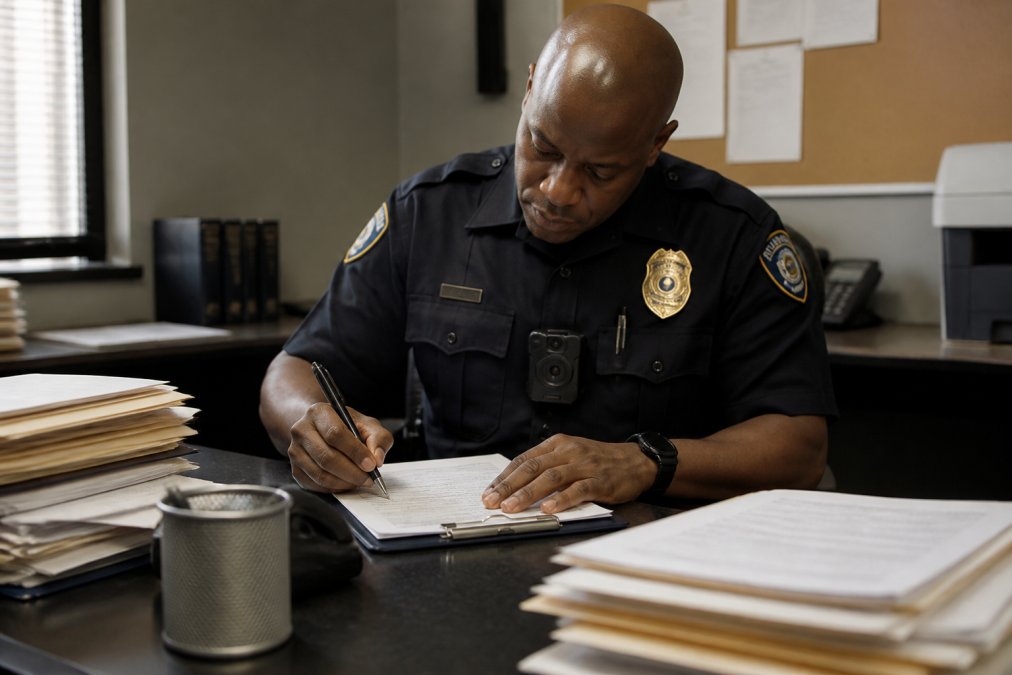
Table of Contents
- Why Accuracy in Your Georgia Police Report Matters
- Types of Errors Found in Motor Vehicle Crash Reports
- Step-by-Step: How to Correct Errors on a Georgia Police Report
- How to Dispute a Police Accident Report When the Officer Disagrees
- The Role of a Supplemental Police Report in Georgia
- Impact of Police Report Errors on Insurance Claims
- When to Work with an Attorney for Report Corrections
- Get a Free Copy of Your Accident Report Today
- Frequently Asked Questions
Last Updated: September 7, 2026
Why Accuracy in Your Georgia Police Report Matters
To get your FREE accident report please fill out the yellow form at the bottom of the page.
A motor vehicle crash report is the official document insurance adjusters, attorneys, and courts use to determine liability and value your claim. Errors in it can follow you through every stage of your case, reducing your settlement or complicating your ability to prove fault.
Corrections require a formal process, not a simple phone call. Below are the exact steps to amend your report, the evidence you’ll need, and when legal help makes sense.
Types of Errors Found in Motor Vehicle Crash Reports
Errors in crash reports fall into two categories: factual mistakes and subjective judgments. Factual errors include incorrect driver information, wrong dates or times, misspelled names, inaccurate vehicle descriptions, or an incorrect crash location, objective mistakes verifiable with documentation.
Subjective errors involve the investigating officer’s narrative, fault determination, or conclusions about how the accident occurred. The officer may have missed a detail, misunderstood the sequence of events, or failed to note road conditions. Witness statements contradicting the officer’s version also fall here.
A third type involves missing information entirely, an omitted passenger, undocumented visible injuries, or skipped contributing factors like a citation issued to the other driver. These gaps are as damaging as outright errors, since insurers interpret omissions as evidence that something didn’t happen.
Step-by-Step: How to Correct Errors on a Georgia Police Report
The correction process differs depending on which agency filed your report: a municipal police department, a county sheriff’s office, or the Georgia State Patrol (GSP). Each has its own records division and submission protocols. Follow these steps in order, noting where the process diverges by agency.
Step 1: Request a Copy of Your Official Report
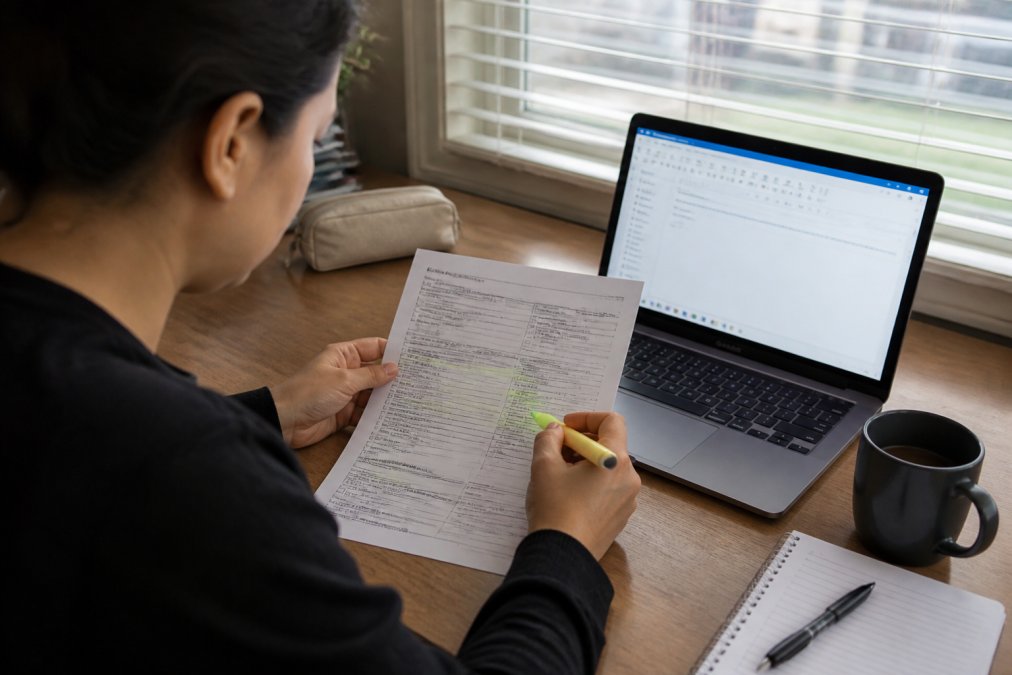
Your first move is obtaining the official report from the law enforcement agency that responded to the crash. The request process varies by agency type:
- Georgia State Patrol (GSP): If a state trooper responded, your report is filed with the GSP and accessible through the Georgia Department of Public Safety’s Open Records Unit. You can submit a request online via the DPS website, by mail, or in person at their headquarters in Atlanta. GSP reports are typically processed within 3-5 business days, though complex requests can take longer under the Georgia Open Records Act (O.C.G.A. § 50-18-70 et seq.).
- Municipal Police Departments: Cities like Atlanta, Savannah, and Augusta each maintain their own records divisions. Most accept online requests through their city portals, but some smaller departments still require an in-person visit or a written request on a specific form. Processing times range from 2 to 10 business days depending on the department’s backlog.
- County Sheriff’s Offices: For crashes on county roads outside city limits, the sheriff’s office holds the record. Many Georgia counties use third-party vendors to fulfill report requests, which means you may need to pay a fee (typically $5-$10) and wait for digital delivery.
Review the document line by line, comparing every detail against your own records: your driver’s license number, the vehicle VIN, the exact time of the crash, the road name and mile marker, and the names of all involved parties.
Step 2: Document the Discrepancies
Create a written list of every error, noting the exact wording in the report and what the correct information should be. Distinguish clearly between:
- Factual errors (wrong license plate, misspelled name, incorrect date), these are objectively verifiable and almost always correctable.
- Subjective disagreements (the officer’s narrative of the collision sequence, fault assessment, or conclusions about road conditions), these require a different approach, typically a supplemental statement rather than an edit to the original document.
Step 3: Gather Supporting Evidence
A correction request without evidence is just an opinion. Collect documentation that proves the error:
- For factual errors: Your driver’s license, vehicle registration, insurance card, and any citation paperwork are usually sufficient. A wrong VIN is corrected with your title or registration. A wrong time can be supported by toll transponder records, gas station receipts, or cell phone location data.
- For narrative disagreements: Photographs of the scene, vehicle damage, skid marks, and traffic signals carry the most weight. Independent witness statements, not statements from friends or family who were in your car, are critical. If the officer failed to note that the other driver ran a red light, a traffic camera recording or a witness who saw the light change can substantiate your claim.
- For missing information: If the report omits a passenger, visible injuries, or a contributing factor like a citation issued to the other driver, gather medical records, hospital intake forms, or the citation itself as proof.
Step 4: Contact the Investigating Officer, With the Right Submission Method
The investigating officer listed on the report is the person who can make corrections, but how you reach them matters:
- Local Police Departments: Most municipal departments in Georgia now accept correction requests via email or through an online portal. You will typically email the records division or the investigating officer directly, attaching your written list of errors and scanned evidence. Some departments, particularly in smaller jurisdictions, still require a physical letter or an in-person visit to the precinct. Call ahead to confirm the preferred method.
- Georgia State Patrol: The GSP follows a more formal process. Corrections to a GSP crash report generally require submitting a written request to the post commander where the investigating trooper is stationed, along with your supporting documentation. The trooper will review the request, and if approved, will file a supplemental report rather than altering the original document. The GSP does not accept correction requests through their general email or phone lines; you must go through the specific post.
Officers are generally receptive to correcting factual mistakes. Be polite, organized, and prepared to make your case. If the officer agrees, ask whether the correction will be an edit to the original report or a supplemental addendum, the distinction matters for how insurers will see it.
How to Dispute a Police Accident Report When the Officer Disagrees
When the investigating officer disputes your version of events, you cannot force a narrative change, but you can file a formal request through the agency’s chain of command. Ask to speak with a supervisor or the records division and submit your written statement with your evidence.
Many agencies accept supplemental statements that become part of the case file without altering the original report. Since insurers and attorneys review the entire case file, your supplemental statement can still influence liability determinations.
If the officer refuses to make any changes, request written documentation of the denial and the agency’s appeals process. Some departments have a formal review board for contested reports. According to [the Georgia Department of Public Safety‘s crash reporting guidelines](https://dps.georgia.gov/ask-us/how-do-i-submit-open-records-request), accuracy in official records is a priority, and agencies have procedures for addressing disputes.
The Role of a Supplemental Police Report in Georgia
A supplemental police report is an addendum to the original crash report that documents new information, corrections, or additional findings. It does not replace the original document but becomes part of the same case file, used when new evidence emerges, witnesses come forward, or errors are discovered.
For drivers, a supplemental report is often the most practical path to correcting the record. Rather than fighting to rewrite the officer’s narrative, you can submit a written statement detailing your version of events, supported by evidence, preserving your account in the official record.
The Specific Forms Georgia Agencies Use
The Georgia Department of Transportation (GDOT) and the Georgia Department of Public Safety use the Georgia Uniform Motor Vehicle Crash Report (Form GDOT-400) for all reportable crashes. When a correction or addition is needed, agencies typically file a Supplement to Original Report, a separate form that attaches to the original GDOT-400 and becomes part of the permanent record.
While the exact form number can vary slightly by agency (some municipal departments use their own internal supplemental templates), the GDOT-400 supplement is the statewide standard for GSP and most sheriff’s offices. You can find the relevant forms and submission guidance through the Georgia Department of Transportation’s crash reporting resources and the Georgia Department of Public Safety’s records division.
How the Supplemental Process Actually Works
When the officer agrees with your correction request, they will typically complete a supplemental report rather than editing the original GDOT-400. This is the legally preferred method because it preserves the integrity of the original document while adding verified new information. The supplemental report references the original incident number and includes:
- A description of the correction or new information
- The officer’s assessment of why the change is warranted
- Your written statement, if you submitted one
- Any supporting evidence you provided (photographs, witness statements, documents)
Once filed, the supplemental report becomes part of the same case file that adjusters, attorneys, and courts review, carrying the same evidentiary weight as the original report.
The Statute of Limitations on Corrections
There is no single statutory deadline for amending a Georgia crash report, but practical limits apply:
- Insurance claim deadlines: Most auto insurance policies require you to file a claim within a reasonable timeframe, and Georgia’s statute of limitations for personal injury claims is two years (O.C.G.A. § 9-3-33). If you are seeking a correction to support an injury claim, you should file it well before that two-year mark, ideally within weeks or months of the crash, while evidence is fresh and witnesses are reachable.
- Agency records retention: Georgia law enforcement agencies retain crash reports for varying periods, but the practical window for corrections is typically 6-12 months from the crash date. After that, officers may have transferred, retired, or lost access to the original case materials, making verification difficult.
- Officer availability: The investigating officer must personally verify and approve any correction. If the officer has left the agency, the department may still process your request through a supervisor, but the process becomes slower and less certain.
Why the Supplemental Report Matters for Your Insurance Claim
Insurance companies in Georgia must consider all evidence in the claim file, not just the original crash report. A supplemental report documenting a factual error or adding a witness statement can shift the liability analysis, especially when the original narrative is incomplete or contains subjective conclusions favoring the other driver.
A supplemental police report in Georgia can be the difference between an insurer seeing only the officer’s version and seeing the complete picture with your evidence. The official record is not closed just because the original report was filed, but the window to act is finite.
Impact of Police Report Errors on Insurance Claims
Insurance companies rely heavily on the official crash report when making liability determinations. Errors can lead to reduced settlement offers, delayed claim processing, or denied claims if the report appears to contradict your account.
The impact of police report errors extends beyond the initial settlement. If your case proceeds to litigation, the report becomes evidence in court, and factual errors or omissions can undermine your credibility. Jurors trust official documents, so correcting the record early prevents problems later.
A minor error like a wrong street name can make an adjuster question whether you were even at the correct location. A misspelled name can delay payment while the company verifies your identity. These small mistakes cost you time and money.
When to Work with an Attorney for Report Corrections
Not every report error requires an attorney. Factual mistakes like a wrong date or misspelled name can usually be corrected with a simple request. But when errors affect liability, involve serious injuries, or the officer refuses changes, legal counsel becomes valuable.
An attorney can formally request corrections, file supplemental statements, and negotiate with insurers on your behalf. If your accident involved significant property damage or physical injuries, the stakes are high enough that professional guidance is worth pursuing.
Multiple vehicles, disputed fault, serious injuries, or an uncooperative officer all point toward professional assistance. An attorney can also help you understand how report errors affect your overall claim strategy.
Get a Free Copy of Your Accident Report Today
Obtaining your official crash report is the first step toward correcting errors and protecting your claim. Georgia Accident Report handles that legwork for you at no cost, retrieving your official report.
When you submit a request through Georgia Accident Report, you also gain access to a team of car accident and injury lawyers who understand how report errors affect your case. Our service is 100% free with no obligation, and we serve every county in Georgia.
Frequently Asked Questions
What is the process for requesting a correction to a police accident report in Georgia?
To correct errors on a Georgia police report, first request an official copy to identify inaccuracies. Then, contact the investigating officer or the law enforcement agency that filed the report. Submit a written statement detailing the factual errors, such as incorrect driver information or vehicle details, and include supporting evidence like photos or witness statements. The agency will review your request and may file a supplemental report, which becomes part of the official record.
Can a police officer change a report after it has been filed?
Yes, but the original report is rarely rewritten. Officers typically add a supplemental police report in Georgia to document corrections and new evidence. This supplemental report explains the error and provides the accurate information, and it is attached to the original case file. This process ensures the official record is transparent and preserves the integrity of the initial investigation. Insurance companies and legal counsel will review both documents.
How do I submit evidence to support a correction to my accident report?
When disputing an error, compile your evidence before contacting the investigating officer. This includes photographic evidence of the damage and scene, witness statements, and any documentation that proves the correct information, like your driver’s license or insurance card. Submit these items with a written statement that clearly explains each error. This formal approach helps the officer understand the discrepancy and supports the need for a supplemental report.
Do insurance companies accept supplemental reports for accident claims?
Yes, insurance companies use the entire official record, including supplemental police reports, to process claims. A supplemental report is critical because it corrects factual errors that could otherwise hurt your claim. Errors in driver information or incident details can delay or reduce your payout. Ensuring the record is accurate through a supplemental report helps establish liability and supports your version of the crash, which is vital for a fair settlement.
Request a copy of your free accident report:
"*" indicates required fields