


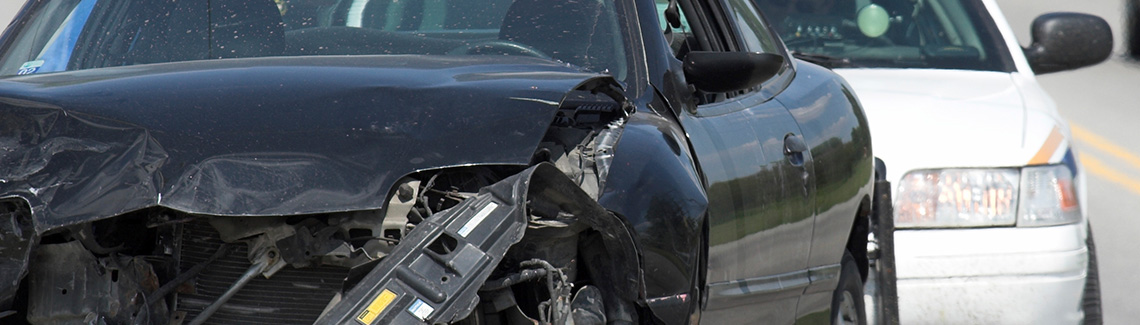
Georgia Police Report Denied? What to Do Next in 2026
September 20, 2026 | | Blog
Table of Contents
- Why a Georgia Police Report Gets Denied (and How to Tell)
- Time Limit for Police Reports After an Accident in Georgia
- Filing a Supplemental Accident Report to Correct or Complete the Record
- How to File a Georgia Open Records Act Request for Your Police Report
- Appeals Process for Formal Denials: Escalation Paths That Work
- When to Call 911 vs. Non-Emergency Lines After a Crash
- Conclusion: Getting Your Report Without the Runaround
- Frequently Asked Questions
Last Updated: September 19, 2026
Why a Georgia Police Report Gets Denied (and How to Tell)
To get your FREE accident report fill out the yellow form at the bottom of the page.
A police report denied in Georgia is not the end of your claim, even when the phrase “police report denied” is exactly what you were told. It is a paperwork problem, and paperwork problems have fixes. This guide from Georgia Accident Report walks you through every step, from finding out why the report was rejected to getting the official record in your hands.
The most common reason is simple: the officer did not have enough information to complete the incident report. Maybe you left the scene before a unit arrived. Maybe the other driver gave a wrong address. Maybe the crash happened on a private lot, so no agency had clear jurisdiction.
A rejected report is not a closed case. It is an incomplete record waiting for supplemental information.
Here is what most guides get wrong. They tell you to call the department and “follow up.” That advice wastes weeks. You need to know which office holds the report, why it stalled, and what document restarts it.
Common Reasons for Rejection: Insufficient Information and Administrative Errors
Rejections fall into two buckets. The first is missing information. The second is an administrative error, meaning the report exists but was filed wrong.
- Insufficient information: no case number, wrong driver details, missing insurance data
- No report filed at all: the responding officer treated it as a civil matter
- Wrong jurisdiction: you requested from the city when the county handled it
- Administrative error: a typo in your name or plate number blocks the match
- Verification failure: the agency cannot confirm you are a party to the crash
The fix depends on the cause. A typo needs a correction request. A never-filed report needs a fresh filing.
Time Limit for Police Reports After an Accident in Georgia
Georgia law does not set one universal deadline for filing a crash report, but agencies follow their own filing windows. Move fast anyway. Memory fades and camera footage gets overwritten.
For crashes on state roads, the responding agency typically completes its report within a few business days. Reports involving injury or a fatality take longer.
What matters for you is the records request window, not the filing window. Under the Georgia Open Records Act, you can request a public record at any time. But agencies may withhold a report while an investigation is open.
Filing a Supplemental Accident Report to Correct or Complete the Record
A supplemental accident report adds facts the original missed. It does not replace the first report. It attaches to it, and the original stays on the record.
Request a supplement when the original has wrong details, missing witnesses, or no injury noted. Contact the agency that took the original report, not a different department. Ask for the case number first, then ask how that department accepts supplements. Some agencies take them by email, some by a form at the front desk, and some only through the officer who wrote the original.
A common mistake is filing a supplement with the wrong agency.
Request a copy of your free accident report →
- Get the original case number
- Ask which unit handles supplements
- Submit your correction in writing
- Keep a dated copy of everything you send
Documenting the Error and Requesting a Written Correction
Before you file, document what is wrong. Pull the original report and mark each error: a misspelled name, a transposed plate number, a missing witness, an injury that was not recorded. Write a short cover letter that lists each correction and the fact that supports it. Attach photos, the other driver’s information, or a witness statement if you have one.
When the Agency Refuses to Amend
If the agency will not accept a supplement or will not correct an error, ask for the refusal in writing and the reason for it. That written refusal is your trigger to escalate.
- Records custodian follow-up. Send a second written request citing the original case number and the specific error, and ask for a written decision.
- Agency head or legal counsel. If the custodian will not act, route the request to the elected official or director who oversees the agency.
- Open records officer. If the refusal is tied to a records request, the agency’s designated open records officer is the person accountable for the response.
- Legal counsel. A demand letter citing the Act and the correction request often resolves a stalled amendment faster than another phone call.
How to File a Georgia Open Records Act Request for Your Police Report
A Georgia Open Records Act request is a written demand for a public record held by a state or local agency. Crash reports are public records, so this is your main tool when a report is denied or delayed.

Contacting the Open Records Officer and Documenting the Denial
Every agency has an open records officer, the person legally responsible for handling your request. Ask for that person by title when you call.
- Save every email and letter, with dates
- Note the name of each person you speak with
- Write down the stated reason for the denial
- Keep your original request and any receipt
Appeals Process for Formal Denials: Escalation Paths That Work
- Agency head or legal counsel. Send a written appeal to the elected official or department director who oversees the records custodian. This is the fastest internal fix and often resolves a stalled request without a lawyer.
- Open records officer follow-up. If the custodian is the problem, route the appeal to the agency’s designated open records officer and copy the agency head. The officer is the person legally accountable for the response.
- Attorney General referral. For state agencies that refuse to comply, the Attorney General’s office can review the denial. This is not available for every local agency, so confirm jurisdiction before you rely on it.
- Superior court action. Under the enforcement provisions of the Act, you can file a civil action in superior court to compel production. The statute sets a short window for filing after the denial, so do not sit on it.
- Demand letter from counsel. A lawyer’s letter citing the Act and the enforcement provision frequently moves a request faster than another phone call, because it signals you know the remedy.
The Reporters Committee for Freedom of the Press maintains state-by-state guidance on open records appeals that is useful when you draft your own. Use it to confirm the current filing window and the correct court before you file.
When to Call 911 vs. Non-Emergency Lines After a Crash
Call 911 when someone is hurt, a lane is blocked, or a driver is impaired or aggressive. Call the non-emergency line for fender-benders with no injuries and no road hazard.
|
Situation |
Call 911 |
Call Non-Emergency |
|---|---|---|
|
Injury or suspected injury |
Yes |
No |
|
Road blocked or hazard |
Yes |
No |
|
Impaired or fleeing driver |
Yes |
No |
|
Minor damage, cars drivable |
No |
Yes |
|
Report already filed, follow-up |
No |
Yes |
Conclusion: Getting Your Report Without the Runaround
A denied police report is frustrating, but it is fixable. Find the reason, file the right document, and escalate in writing if the agency stonewalls you. The process rewards persistence and paperwork, not phone calls.
Frequently Asked Questions
How do I appeal a rejected police report request in Georgia?
If your request is denied, first ask the agency for the specific reason in writing. Then file a written appeal with the agency’s Open Records Officer, citing the Georgia Open Records Act. If the denial continues, you can contact the Georgia Attorney General’s office or file a civil action in superior court to compel disclosure. Keep copies of every letter, email, and form you submit. An attorney can help you draft a strong appeal and pursue escalation if needed.
What is the time limit for police reports after an accident in Georgia?
Georgia law does not set a single deadline for police to complete a crash report, but officers typically file it within a few days. For your own request, the agency must respond to an Open Records Act request within three business days. If you need to file a supplemental report, do it as soon as possible while evidence is fresh. Delays can hurt your insurance claim, so follow up promptly and keep a record of all communications.
Can I get my accident report if the police denied my initial request?
Yes. A denial is not the end. You can file a formal Open Records Act request, provide additional identifying details like the case number or date, and contact the Open Records Officer directly. If the report contains errors, you can request a supplemental accident report. If the agency still refuses, you can appeal to the Georgia Attorney General or seek legal help. A free service like Georgia Accident Report can handle the back-and-forth for you.
What should I do if my police report has missing or inaccurate information?
Contact the law enforcement agency that took the report and ask to file a supplemental accident report. Provide the correct details, such as updated insurance information, witness statements, or a corrected vehicle description. The agency may amend the original report or attach a supplement. Keep a copy of your request and the updated report for your insurance claim. If the agency refuses to correct obvious errors, consult an attorney about your options.
Request a copy of your free accident report:
"*" indicates required fields