


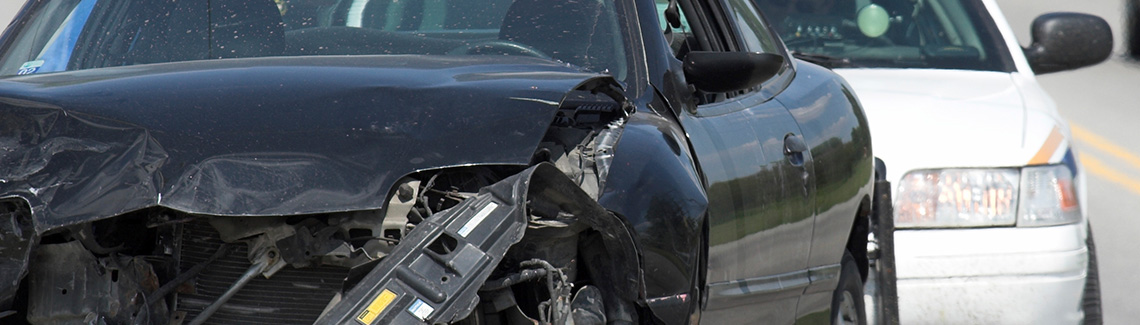
Injured From Car Accident: A Step-by-Step Guide
October 6, 2026 | | Blog

Table of Contents
- What to Do Immediately After You’re Injured From a Car Accident
- Common Car Accident Injury Symptoms You Should Know
- Delayed Pain After Car Accident: What You Need to Watch For
- When to Seek Emergency Medical Care
- Car Accident Injury Claim Documentation: What to Record
- Who Pays for Car Accident Injuries
- Getting Your Police Report and Legal Support
- Conclusion
- Frequently Asked Questions
Last Updated: October 6, 2026
What to Do Immediately After You’re Injured From a Car Accident
The moments right after a crash are critical: safety first, then documentation. This guide covers what to do when you’re injured from car accident, protecting your health and your claim.
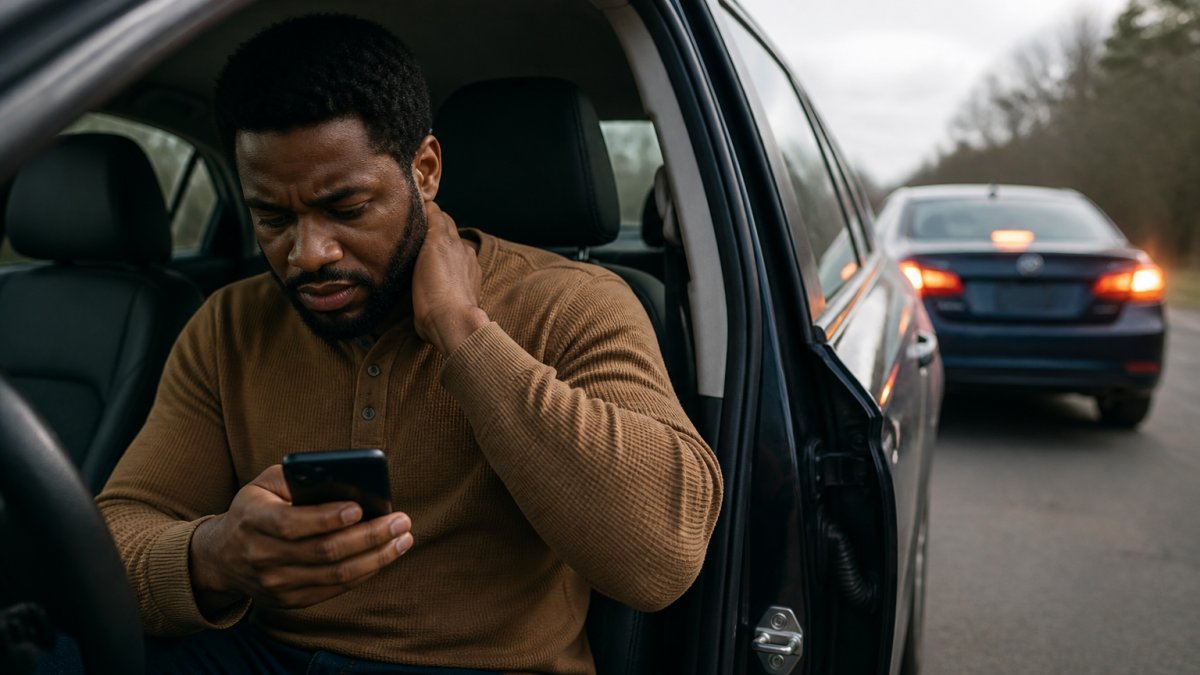
Move to safety if possible
If you can move without worsening your injury, get out of traffic or onto the shoulder and turn on your hazard lights.
If you cannot move, stay in your vehicle with your seatbelt on and doors locked. Do not move if you feel sharp pain, numbness, or tingling in your neck or spine.
Call 911 for emergency care
Call 911 right away if you have any of these signs:
- Chest pain or trouble breathing
- Severe pain anywhere in your body
- Numbness or tingling in your limbs
- Loss of consciousness, even briefly
- Bleeding that won’t stop
- Dizziness or confusion
Tell the dispatcher your exact location and describe your injuries. Even if you feel okay, shock can mask serious injuries, so let paramedics evaluate you.
Document the scene and collect information
While waiting for help, if you’re able, gather these details:
- Take photos of vehicle damage, the accident scene, and road conditions
- Get the other driver’s name, phone number, address, and insurance information
- Write down their license plate number and vehicle make/model
- Ask for the names and phone numbers of any witnesses
- Note the date, time, and exact location of the crash
- Take a photo of the other driver’s insurance card and driver’s license
Do not admit fault or apologize. Stick to facts: “I was hit at this intersection.”
Common Car Accident Injury Symptoms You Should Know
Not every injury shows up right away, some symptoms appear hours or days later. Knowing what to watch for helps you get treatment fast and document your injuries.
Neck pain and whiplash
Whiplash happens when your head snaps forward and back suddenly, causing neck stiffness, pain when turning your head, or headaches at the base of your skull. It can take 24 hours or longer to develop, you might feel fine at the scene but wake up unable to turn your head as inflammation builds. Do not ignore neck pain after a crash: see a doctor to rule out fractures or nerve damage, and keep records of all visits for your injury claim.
Back and spinal injuries
A car accident can cause back pain, disc injuries, or spinal cord damage, sharp, burning, or dull and achy. If you feel numbness in your legs, loss of bladder or bowel control, or weakness in your limbs, call 911 immediately; these are signs of spinal cord injury. Even minor back pain can worsen over weeks as discs herniate and press on nerves, so document it from day one: photograph bruising and note when the pain started and what makes it better or worse.
Head injuries and concussion
A blow to the head can cause a concussion or other head injury, and many concussions happen without loss of consciousness.
Watch for these signs in the hours and days after the crash:
- Headache or pressure in your head
- Dizziness or balance problems
- Confusion or trouble remembering things
- Sensitivity to light or noise
- Nausea or vomiting
- Trouble concentrating or feeling foggy
Head injuries can be invisible, you might look fine but feel terrible. See a doctor for any head pain so they can test for concussion or internal bleeding.
Soft-tissue injuries, bruising, and swelling
Soft-tissue injuries affect muscles, tendons, and ligaments, causing sprains and strains with bruising or swelling at the impact point.
Bruising can appear immediately or take hours, and swelling often peaks 24-48 hours later. Ice the area for the first 24 hours (15-20 minutes at a time), then switch to heat.
Take dated photos of all visible bruises and swelling, these images support your insurance claim.
Delayed Pain After Car Accident: What You Need to Watch For
One of the hardest parts of a car accident injury is that pain often arrives later, you might feel fine at the scene, only to wake up the next day in agony.
Why symptoms appear hours or days later
Your body releases adrenaline during a crash, masking pain. Once it wears off, usually within hours, you feel the real damage.
Inflammation also takes time to build: when tissues are stretched or torn, fluid and immune cells flood the area, creating pressure and pain that peaks 24-48 hours later.
Some injuries, like herniated discs or nerve damage, show symptoms slowly as inflammation grows. This is why a minor-feeling crash can lead to serious pain days later.
Red flags requiring urgent medical attention
Go to the emergency room or call 911 if you develop any of these after a crash:
- Severe headache or worsening headache
- Vision changes or eye pain
- Neck stiffness combined with fever
- Numbness or tingling that spreads
- Weakness in your legs or inability to walk
- Loss of bowel or bladder control
- Chest pain or shortness of breath
- Severe abdominal pain or swelling
- Vomiting that won’t stop
Do not wait to see your regular doctor. Go to the ER immediately, these can signal serious internal injury, spinal damage, or head trauma.
When to Seek Emergency Medical Care
Go to the ER right after a crash if you have any visible injury, severe pain, or trouble moving. Do not drive yourself, call 911 or ask someone to take you. Even if you feel okay, consider urgent care within a few hours so a doctor can check for hidden injuries and create a medical record on the day of the crash, which is crucial for your claim. If symptoms develop later, pain, stiffness, headaches, dizziness, call your doctor or go to urgent care rather than assuming the pain will pass.
Car Accident Injury Claim Documentation: What to Record
Documentation wins injury claims. The more records you have, the stronger your case. Start collecting information right away.
Medical records and treatment timeline
Create a simple timeline:
- Date and time of the crash
- Date you first sought medical care
- Names of all doctors and clinics you visited
- Dates of each appointment
- Tests performed (X-rays, MRI, CT scan)
- Diagnoses given by doctors
- Treatments received (physical therapy, medication, surgery)
- Current status of your recovery
Request copies of all medical records from your doctors, including notes, test results, and bills, these prove you were injured and the extent of your injuries.
Photos of injuries and property damage
Take photos from day one and continue as your injuries heal, showing bruises, cuts, swelling, or other visible injuries; your face, neck, back, arms, legs, or any injured area; vehicle damage; the accident scene if possible; and medical equipment like braces, casts, or bandages. Date each photo, write the date on paper in the photo if your phone doesn’t timestamp it. These images are powerful proof of your injuries.
Witness statements and police report details
Get the police report number at the accident scene and request a copy from the police department. The report includes the officer’s description of the crash, fault determination (if made), citations issued, witness statements, and a diagram of the scene.
Request a copy of your free accident report →
Georgia Accident Report can help you obtain your official police report without the hassle of calling multiple agencies. A free accident report gives you the documentation you need to file your insurance claim and verify fault.
Who Pays for Car Accident Injuries
Understanding liability and insurance coverage helps you get fair compensation.
Liability and fault determination
Fault determines who pays. If the other driver caused the crash, their insurance pays for your medical bills and other damages; if you caused it, your insurance covers the other person’s injuries. Some crashes involve shared fault, one driver might be 70% at fault and the other 30%, with the 70% at-fault driver’s insurance covering most costs, though the split varies by state law. The police report often suggests fault based on traffic laws and the officer’s investigation, but insurance companies make the final decision after reviewing the report, photos, witness statements, and medical records.
Insurance coverage and compensation
Your own auto insurance policy includes liability coverage, which pays for injuries and damage you cause to others but not for your own injuries if you caused the crash. Your policy may also include medical payments coverage, which pays your medical bills regardless of fault, or uninsured motorist coverage, which protects you if the other driver has no insurance. The at-fault driver’s liability insurance should pay for your medical treatment, lost wages, pain and suffering, and property damage, but insurers often offer less than your claim is worth, you may need to negotiate or hire a lawyer.
Getting Your Police Report and Legal Support
Your police report is the foundation of your claim: it documents the crash officially and often indicates fault, and getting it quickly speeds up your insurance claim and any legal action.
Georgia Accident Report simplifies this process. We handle the legwork of contacting police and state patrol agencies to retrieve your official report. There is no cost to you, our service is completely free.
Conclusion
Being injured from car accident is stressful and overwhelming.
Getting your official police report is a critical next step.
| Step | Action | Timing |
|---|---|---|
| 1 | Move to safety, turn on hazards | Immediately |
| 2 | Call 911 if injured or unsafe | Immediately |
| 3 | Document scene, collect driver info | At scene |
| 4 | Seek medical evaluation | Within hours |
| 5 | Take photos of injuries and damage | Daily for first week |
| 6 | Request police report | Within days |
| 7 | Gather medical records and bills | Ongoing |
| 8 | Contact insurance company | Within 24-48 hours |
| 9 | Consult lawyer if needed | Within weeks |
Frequently Asked Questions
How long does it take to get an official police report?
Police departments typically issue reports within 5-10 business days.
What if I did not call the police at the scene?
You can still request a police report if officers responded later.
Can I file an insurance claim without a police report?
Yes, you can file a claim without an official report.
Should I hire a lawyer immediately after a crash?
Not necessarily.
What if the other driver was uninsured?
How do I prove the other driver was at fault?
Can I get compensation for pain and suffering?
Yes.
National Highway Traffic Safety Administration injury prevention resources
American Medical Association guidance on motor vehicle injury assessment
Insurance Information Institute on auto insurance claims and coverage
Frequently Asked Questions
What should I do immediately if I’m injured from a car accident?
Move to a safe location if possible, then call 911 for emergency medical care. While waiting for help, do not move if you have severe pain or suspect a spinal injury. Once safe, exchange information with other drivers, take photos of the accident scene and your injuries, and request that police document the incident. These steps protect your health and create evidence for your insurance claim.
Can car accident injuries show up days later?
Yes. Delayed pain after car accident is common because adrenaline and shock can mask injuries initially. Whiplash, soft-tissue strains, and some head injuries may not cause noticeable symptoms for hours or even days. See a doctor promptly after any accident, even if you feel fine. If new pain or symptoms appear later, seek medical evaluation immediately and document when symptoms began.
Who pays for injuries from a car accident?
The at-fault driver’s liability insurance typically covers medical expenses and compensation for the injured party. If liability is unclear, your own collision or medical payments coverage may cover initial costs. Your insurance company will investigate fault using the police report, witness statements, and evidence from the scene. In some cases, both drivers share fault, and coverage depends on your state’s insurance rules.
What car accident injury claim documentation do I need?
Collect your police report, all medical records and bills, photos of injuries and vehicle damage, witness contact information, and the other driver’s insurance details. Keep a timeline of symptoms and treatments. Request the official accident report from the police department to verify how the crash was documented. This documentation supports your insurance claim and any legal action, and helps ensure accuracy in fault determination.
Request a copy of your free accident report:
"*" indicates required fields