


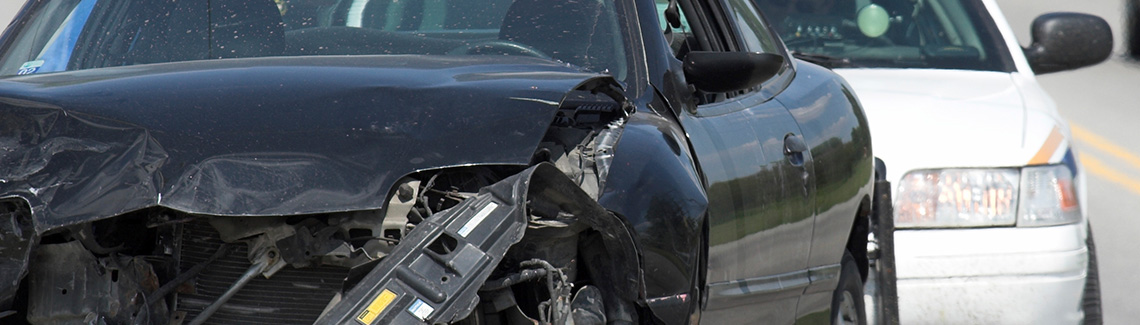
Online Accident Report vs Police Report
September 28, 2026 | | Blog
Table of Contents
- What is a Police Report and What is a Crash Report?
- Key Differences Between Police Reports and Online Accident Reports
- What to Do After a Car Accident in Georgia
- How to Get a Crash Report in Georgia
- The Importance of Police Reports for Insurance Claims
- Admissibility in Court and Legal Documentation
- Correction Procedures and Report Disputes
- Frequently Asked Questions
Last Updated: September 22, 2026
What is a Police Report and What is a Crash Report?
An accident report vs police report distinction is important: a police report is an official document filed by law enforcement investigating a motor vehicle accident. It contains the officer’s observations, statements from involved parties and witnesses, scene details, and fault assessment. A crash report, also called an accident report, is similar but terminology varies by state. A crash report may refer to a report filed directly with the state’s Department of Transportation rather than through local police. (Source: National Highway Traffic Safety Administration (NHTSA) data)
Police reports are created during on-scene investigation by a responding officer and become part of official law enforcement records. Crash reports submitted to state agencies often include data from police reports but may be filed separately by drivers or insurance companies for statistical and regulatory purposes.
Both documents provide factual documentation of vehicle damage, injuries, road conditions, and contributing factors, crucial for insurance claims and legal proceedings.
Key Differences Between Police Reports and Online Accident Reports
The accident report vs police report distinction matters significantly. A police report is created during official on-scene investigation. An online accident report may be filed by drivers through a state portal for minor incidents where police didn’t respond or for supplemental documentation.
Police reports carry more weight in legal and insurance contexts because they’re filed by trained law enforcement officers with investigative authority. Online accident reports filed by drivers are first-party accounts lacking official verification.
Police reports require officer attendance at the scene and depend on call volume and severity. Online reports can be filed immediately from home, making them faster for documentation but not a substitute for official investigation.
A police report’s factual observations carry more weight as evidence in court. A driver’s self-filed online report may be subject to challenge but can support insurance claims when used together.
Here’s how they compare across key dimensions:
| Aspect | Police Report | Online Accident Report |
|---|---|---|
| Filed by | Law enforcement officer | Driver or involved party |
| Timing | At scene during investigation | Can be filed anytime after incident |
| Official weight | High; government-verified | Lower; self-reported |
| Cost | Usually free or minimal fee | Often free through state portals |
| Detail level | Comprehensive; includes officer assessment | Variable; depends on filer’s knowledge |
| Legal admissibility | Strong; officer testimony carries weight | Weaker; subject to challenge |
| Insurance acceptance | Required for most claims | Supplemental; not primary document |
What to Do After a Car Accident in Georgia
Immediately after a collision, your priority is safety. Move vehicles out of traffic if possible and safe to do so. Turn on hazard lights. Check for injuries and call 911 if anyone needs medical attention.
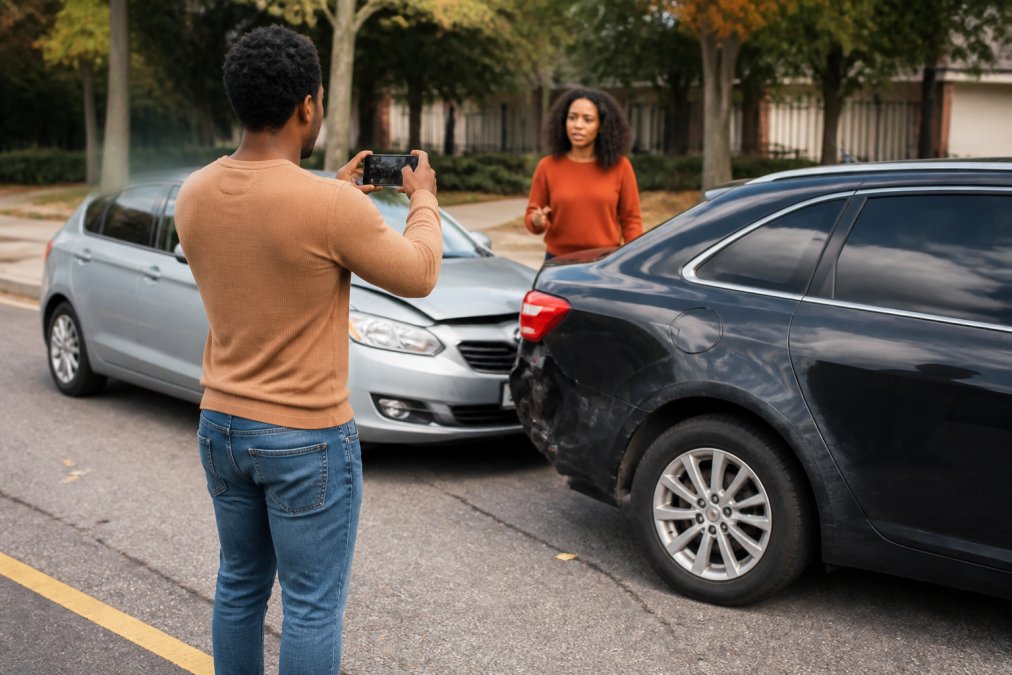
Document the scene thoroughly. Take photos of vehicle damage, road conditions, traffic signals, and the overall accident location from multiple angles. Get the other driver’s name, phone number, address, driver’s license number, and insurance information. Collect contact details from any witnesses. Note the date, time, weather conditions, and road surface.
If police respond, cooperate fully but keep your statement factual and brief. Don’t admit fault or speculate about what caused the accident. The officer’s investigation determines liability, not statements made at the scene. Request the officer’s name, badge number, and the report number for your records.
Report the accident to your insurance company promptly. Most policies require notification within a specific timeframe. Provide them with the police report number and other driver’s information. Keep copies of all documentation, photos, witness statements, medical records, repair estimates, and correspondence.
Seek medical attention even if you feel fine. Some injuries appear hours or days after impact. Medical records create a documented timeline that supports any injury claims. Follow up with your doctor and keep all treatment records.
How to Get a Crash Report in Georgia
Most states operate under two models: police-filed reports (created by law enforcement at the scene) and DMV-filed reports (submitted to the state Department of Motor Vehicles for statistical and regulatory purposes).
State-Specific Filing Requirements
Many states require drivers to file a crash report with the state DMV if the accident meets thresholds (typically $500-$1,500 in property damage or any injury), independent of police response. Filing deadlines range from 10 to 30 days; no-fault insurance states have different procedures.
Police reports are created during on-scene investigation and filed with local law enforcement, not automatically submitted to the state DMV. You must request them separately from the responding agency.
Obtaining Reports in Your Jurisdiction
Identify which agency responded: city/county police (municipal limits), state patrol (highways/interstates), or sheriff’s office (unincorporated areas). Contact them with the accident date, location, driver names, and report number if available.
Processing timelines and fees vary: Many agencies offer online portals; others require phone, mail, or in-person requests.
Request a copy of your free accident report →
Many police departments offer online case lookup systems to retrieve report numbers and order copies directly. Check your local agency’s website first.
DMV Crash Reports
DMV-filed crash reports serve regulatory and statistical purposes, distinct from police reports. Some states allow online filing; others require paper forms. DMV reports are filed by drivers or insurance companies for regulatory compliance; police reports are filed by law enforcement for investigative purposes. Insurance companies typically need the police report for claims processing.
Online Filing for Minor Incidents
Some states offer online accident report systems for minor incidents where police didn’t respond. These driver-filed reports create an official state record but are not substitutes for police reports. Online filing carries lower weight with insurers and courts.
The Importance of Police Reports for Insurance Claims
Insurance companies require official police reports as the foundation for claim processing, establishing the official record of what happened and the officer’s fault assessment based on scene evidence.
Admissibility in Court and Legal Documentation
Whether a police report is admissible in court depends on how it’s presented and which parts are being offered as evidence. This distinction is critical because different components of the report face different legal standards.
The Hearsay Problem
Not all police report information is equally admissible. Under the Federal Rules of Evidence, a hearsay statement is an out-of-court statement offered to prove the truth of the matter asserted. The officer’s account of what the other driver said is hearsay.
Officer Observations vs. Officer Opinions
The officer’s factual observations, what they personally witnessed at the scene, are generally admissible as evidence. This includes:
- Vehicle positions and damage patterns
- Road and weather conditions
- Skid marks, debris, or other physical evidence
- The officer’s measurements or photographs
The officer’s opinions about fault or causation face stricter scrutiny. Courts may exclude opinions on mechanical failure, sight-line obstruction, or vehicle dynamics unless the officer has specialized training and qualifications.
Impeachment and Cross-Examination
At trial, the other driver’s attorney can cross-examine the officer about observation accuracy, witness interviews, investigation thoroughness, and inconsistencies between the report and testimony.
Witness Statements Within the Report
Witness statements in the police report are hearsay but may be admissible under the “excited utterance” exception if made immediately after the accident under stress. Courts recognize such statements as reliable because the speaker hasn’t had time to fabricate.
Burden of Proof and Presumptive Reliability
In civil cases, the burden of proof is “preponderance of the evidence.” A police report carries presumptive reliability because it was created by a trained officer following established procedures, shifting the burden toward accepting the officer’s findings unless contradicted.
Certified vs. Uncertified Copies
For court proceedings, you need a certified copy with an official seal confirming it’s a true and accurate copy. Uncertified photocopies may not be accepted without officer testimony. Certified copies are required for legal proceedings.
Discovery and Pre-Trial Disclosure
Before trial, both parties exchange evidence through discovery. The police report is discoverable, the other party has the right to obtain it. Inaccuracies will be discovered and used against you.
Correction Procedures and Report Disputes
If your police report contains errors, contact the filing agency and explain the inaccuracy. Provide documentation, photos, witness statements, or medical records, supporting your correction.
Frequently Asked Questions
Are crash reports and police reports the same thing?
Not exactly. A police report is the official documentation filed by a law enforcement officer who responds to and investigates the accident scene. A crash report is the formal, state-issued record generated from that investigation. The police report becomes the basis for the crash report, but the crash report is the official legal document you need for insurance claims and liability determination. Police reports contain the officer’s observations and initial findings, while crash reports include verified details and are certified as official records.
Do I need both a police report and an online accident report for my insurance claim?
Your insurance company will need the official crash report, not just a police report. The crash report is the certified, state-issued document that serves as factual documentation for your claim. Many insurance companies require this official record to process claims involving property damage or bodily injury. You don’t need to obtain both separately, the crash report is derived from the police report and serves as the definitive legal documentation for your insurance adjuster and any liability determination.
How long does it take to obtain a crash report in Georgia after an accident?
The timeline varies depending on the investigating agency and report complexity. Minor incidents may be processed within a few days, while more complex accidents involving injuries or property damage can take 1-2 weeks or longer. Factors affecting processing time include case load, whether the investigation is still ongoing, and the specific police department’s procedures. Georgia Accident Report handles the retrieval process on your behalf, eliminating the need to contact multiple departments directly and potentially reducing the time you spend tracking down your report.
What happens if there are errors in my police report or crash report?
If you discover inaccuracies in your official crash report, you can file a correction request with the investigating police department. Common errors include misspelled names, incorrect vehicle information, or inaccurate descriptions of how the accident occurred. Corrections are important because an inaccurate report can affect liability determination and insurance claims. You should review your report carefully and contact the police department’s records division if you identify errors. Some departments allow corrections to be submitted online, while others require a written request or in-person visit.
Request a copy of your free accident report:
"*" indicates required fields