


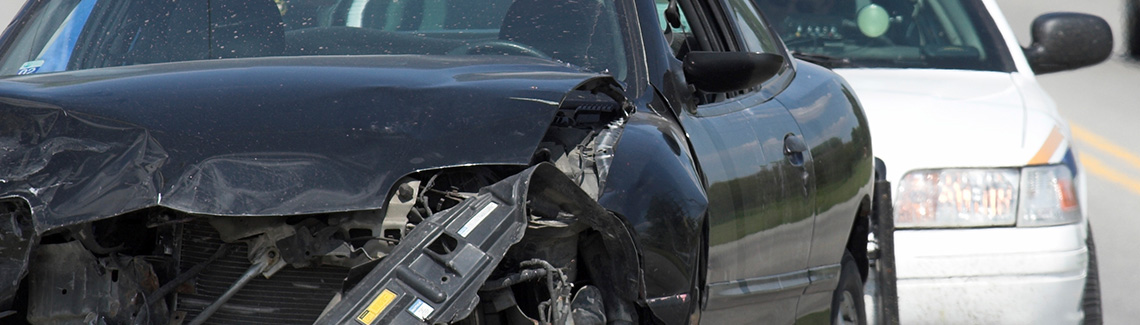
Can I Get a Police Report Without Insurance?
September 19, 2026 | | Blog
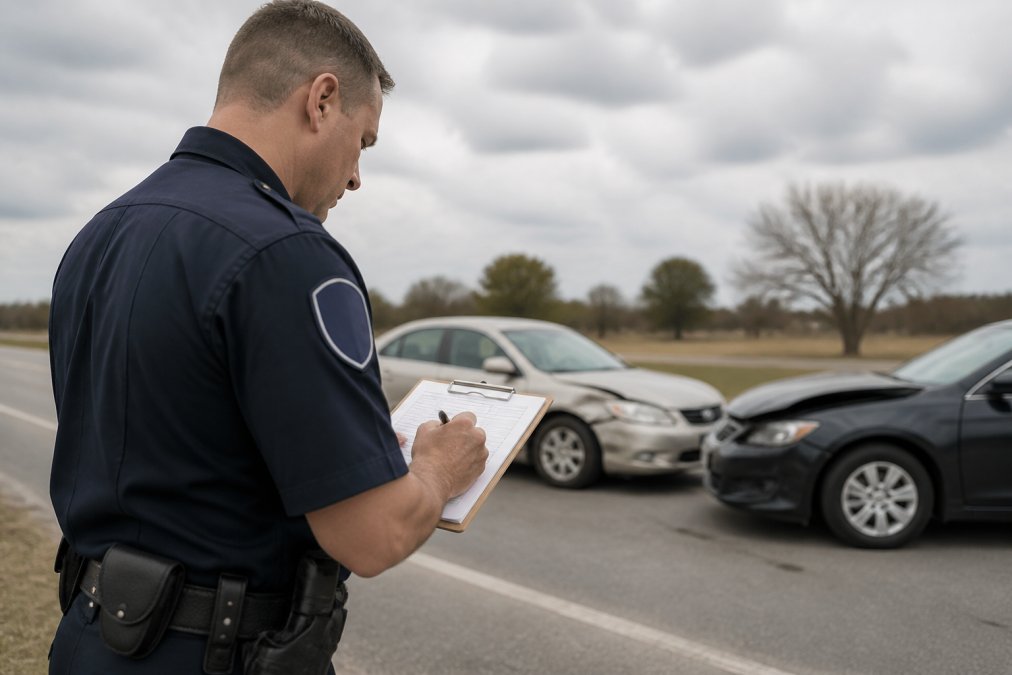
Table of Contents
- Can You Get a Police Report Without Insurance?
- Why Insurance Companies Request Police Reports
- How to Get a Copy of a Police Report
- Importance of Police Reports for Insurance Claims
- How Long Does It Take to Get a Police Report
- Filing a Claim Without an Official Police Report
- What to Do If the Police Refuse to File a Report
- Conclusion
- Frequently Asked Questions
Last Updated: September 18, 2026
Can You Get a Police Report Without Insurance?
To get your FREE accident report fill out the yellow form at the bottom of the page.
Yes, you can get a police report without insurance. The two are separate processes. Insurance status doesn’t determine whether law enforcement files an accident report. What matters is whether the accident occurred and whether police responded to the scene.
Many drivers mistakenly assume insurance is required to request a police report. They’re separate processes: a police report documents the accident, while insurance is a financial tool.
If police arrived, they likely filed a report. If they didn’t respond, you may file one yourself or request officers create one after the fact. Insurance status is irrelevant either way.
Georgia Accident Report retrieves official police reports for accident victims across the state, free of charge, no insurance required.
Why Insurance Companies Request Police Reports
Insurance adjusters need police reports because they provide an official, neutral account. Officers document facts, time, location, weather, vehicle damage, injuries, and preliminary fault assessment, with no financial stake in the outcome.
Without a police report, your claim rests on your word versus the other driver’s, a “he said, she said” situation. Insurance companies prefer objective documentation.
The report also creates an official record. If the other driver later changes their story, the police report stands as the contemporaneous account, harder to dispute.
Some policies require a police report for claims above a certain damage threshold. Many insurers won’t process serious accident claims without one. Even when not mandatory, a report strengthens your position.
How to Get a Copy of a Police Report
Contact the police department or state agency that handled your accident. The process varies slightly by jurisdiction but follows the same basic steps.
Identify which agency filed the report: city police for city accidents, state patrol for highways, sheriff’s office for county roads. If unsure, start with the city or county where the accident occurred.
Contact the agency’s records or accident report division with basic information: accident date, location, and driver names. Have your case number if available.
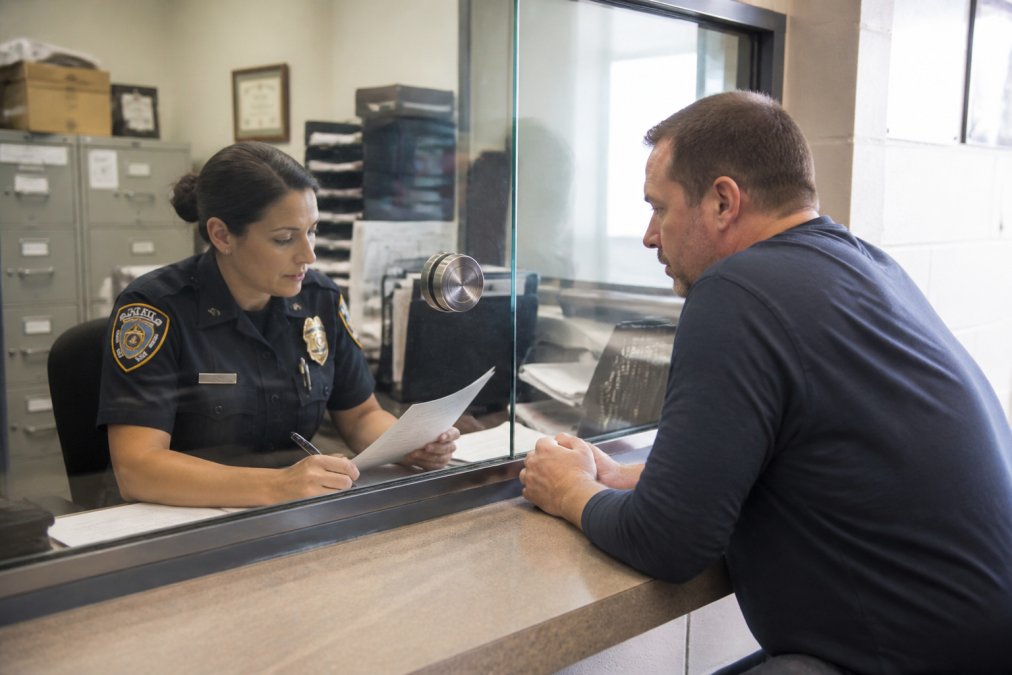
You can request reports in several ways:
- In person: Visit the police department’s records window during business hours
- By phone: Call the records division and request a report
- By mail: Send a written request with required information
- Online: Some departments offer digital request portals on their websites
- Through a service: Use a retrieval service like Georgia Accident Report to handle it for you
Processing times vary from days to weeks depending on department size and location. Ask for an estimated timeline when you request the report.
Most departments charge a small fee per page, though some waive fees for accident victims. Ask about waivers when requesting your report.
Importance of Police Reports for Insurance Claims
A police report is one of the strongest pieces of evidence in an insurance claim because it’s official, neutral documentation rather than a party’s self-interested account.
Adjusters use police reports to establish liability. A report indicating you weren’t at fault speeds your claim; one suggesting fault gives the adjuster a baseline for negotiation.
The report documents injuries and property damage observed at the scene. Injuries not mentioned may be questioned; those documented support your claim.
Police reports include witness statements, which carry more weight than either driver’s account. Insurance companies prioritize witness statements in official reports.
The report creates a timeline of when the accident occurred and when police arrived, helping establish facts if memory becomes unclear later.
Without a police report, provide photos, witness statements, medical records, repair estimates, and your written account. These help but don’t replace an official report.
How Long Does It Take to Get a Police Report
Timing varies by department size: busy urban departments may take 5-10 business days; smaller departments may process requests in 2-3 days.
Factors affecting speed include department size, time of year, request method (in-person faster than mail), and report complexity.
If you need a report urgently, ask about expedited or rush processing, which some departments offer for a higher fee.
Request your report promptly. Delays can complicate insurance claims.
Filing a Claim Without an Official Police Report
If no police report exists, you can still file a claim by treating your documentation with the same rigor an official report would receive, capturing what happened and the metadata proving when and where.
Request a copy of your free accident report →
Immediate scene documentation:
Gather evidence immediately:
- Photos and video: Take photos from multiple angles of both vehicles, the scene, road conditions, and traffic signals. Video is better; narrate as you record.
- Dashcam footage: Save immediately to cloud storage or a separate device; don’t rely on internal storage.
- Metadata preservation: Don’t edit, crop, or compress files before submitting to insurance. Keep originals in a folder labeled with the accident date.
Witness documentation:
Witnesses are often more valuable than a police report because they’re neutral:
- Get full names, phone numbers, and addresses from anyone who saw the accident.
- Ask each witness to write a brief signed account or record an audio statement.
- Exchange information with the other driver(s): full name, phone, address, driver’s license number, VIN, license plate, insurance carrier, and policy number. Photograph their license and insurance card.
Medical and damage documentation:
- Seek medical attention immediately, even for minor injuries. Medical records create an official timeline linking your injuries to the accident date.
- Photograph any visible injuries (bruises, cuts, swelling) daily for the first week. These photos document injury progression.
- Obtain repair estimates from at least two body shops. Written estimates with itemized damage descriptions are stronger than verbal quotes.
- Keep all receipts for medical treatment, medications, transportation to appointments, and any other accident-related expenses.
Digital evidence organization:
Organize evidence in a dedicated folder structure (Photos, Video, Witness Statements, Medical Records, Repair Estimates, Correspondence) on your computer or cloud storage. This demonstrates diligence and makes evidence easy to locate.
Timeline documentation:
Write down accident details within hours: date, time, location, weather, road conditions, traffic signal status, speeds, how it occurred, other driver’s statements, and your physical condition.
Insurance company notification:
Uninsured motorist complications:
Consider using a document management app like Evernote or Notion to create a searchable record of your accident. Tag photos by category, date, and location. This level of organization signals to insurance adjusters that you’re serious and organized, which can influence how thoroughly they investigate your claim.
What to Do If the Police Refuse to File a Report
Police sometimes decline to file reports for minor accidents or property-damage-only collisions below a certain threshold. This doesn’t invalidate your claim.
Understanding why police refused:
Requesting a report after refusal:
Self-reporting procedures:
Documenting the refusal:
Statute of limitations implications:
Escalating beyond the police department:
- File a complaint with the police department’s internal affairs division or civilian oversight board. Explain that you were denied a report for a legitimate accident.
- Contact your state’s attorney general’s office if you believe the police department violated state law by refusing to file a required report.
- Consult an attorney: If the accident involved significant injury or property damage, an attorney can sometimes pressure police to file reports or can represent your interests in insurance negotiations and potential lawsuits. Many car accident attorneys work on contingency, meaning you pay nothing upfront.
Insurance company guidance:
Conclusion
Getting a police report doesn’t require insurance. The two processes are independent. What matters is whether an officer responded to your accident and whether a report was filed. If one exists, request it. If not, document the accident thoroughly with photos, witness information, and your own detailed account.
Frequently Asked Questions
Can I file an insurance claim without a police report?
Yes, you can file a claim without an official police report, though it makes the process more difficult. Your insurance carrier will ask for documentation of the accident scene, witness statements, photographs of vehicle damage, and medical records if there are injuries. The absence of an official police report means you’ll need to provide stronger evidence to establish what happened and who was at fault. Having a police report streamlines verification and reduces the likelihood of claim denial.
Will my insurance company accept a claim if there’s no police report?
Insurance companies will review claims without police reports, but approval depends on the evidence you provide. Photographic evidence of the accident scene, vehicle damage, and injuries carries significant weight. Witness statements and your own detailed account of events also help establish liability. However, claims without official documentation take longer to process and are more likely to face scrutiny. The at-fault driver’s insurance carrier may contest your version of events more aggressively without a police report backing your claim.
How do I get a police report if the accident happened in a county I’m unfamiliar with?
Contact the police department or sheriff’s office in the county where the accident occurred. You’ll need the accident date, location, and your name or case number if available. Most departments accept requests by phone, mail, or in person. Many agencies now offer online request systems through their websites. If you’re unsure which agency responded to your accident, Georgia Accident Report can handle the retrieval process for you across all Georgia counties, eliminating the need to identify the correct department yourself.
What evidence can I use instead of a police report for my insurance claim?
Document the accident scene with photographs showing vehicle positions, damage, road conditions, and traffic signals. Collect contact information and written statements from witnesses who saw the accident. Preserve your own detailed account of what happened, including the date, time, weather, and how the collision occurred. Medical records and bills establish bodily injury claims. Repair estimates and invoices document property damage. Dashboard camera footage or surveillance video from nearby businesses provides powerful evidence. Your insurance adjuster will use all available documentation to investigate liability and determine fault without relying solely on a police report.
Request a copy of your free accident report:
"*" indicates required fields