


Privacy Concerns With Online Accident Reports
October 3, 2026 | | Blog

Table of Contents
- What Information Is Included in a Crash Report
- Are Accident Reports Considered Public Records
- How to Get a Police Report in Georgia
- Georgia Open Records Act and Accident Report Access
- Protecting PII in Accident Reports
- Privacy Laws and Data Protection Regulations
- Managing Your Digital Footprint After an Accident
- Frequently Asked Questions
Last Updated: September 30, 2026
What Information Is Included in a Crash Report
A crash report documents vehicle information, driver details, witness statements, and accident circumstances compiled by police at the scene.
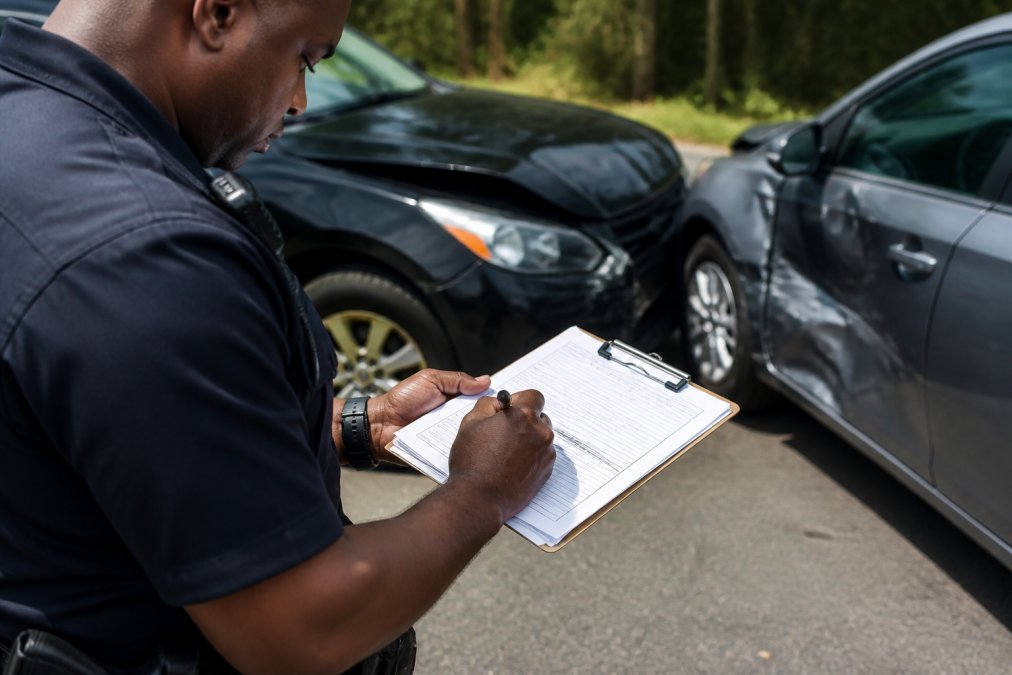
The report typically contains:
- Names and contact information for all drivers involved
- Vehicle identification numbers, license plate numbers, and insurance details
- Driver’s license numbers and addresses
- Witness names and statements
- Description of how the accident occurred
- Damage assessment and vehicle positions
- Citations or violations issued
- Officer observations and conclusions about fault
Insurance companies, attorneys, and drivers all rely on this information for claims, liability, and record-keeping.
Are Accident Reports Considered Public Records
Yes, accident reports are generally public records under open records laws, though some information may be redacted for privacy protection. While public records are created with taxpayer funds and citizens have a right to transparency, states have established specific procedures for redaction. Not all information in a public report is equally accessible, redaction procedures protect sensitive data while maintaining the document’s public nature.
How to Get a Police Report in Georgia
To get a police report in Georgia, contact the responding agency: Georgia State Patrol for state highways, local police for city accidents, or the sheriff’s office for county roads.
Contact the records department by phone, mail, in person, or online. Provide your name, accident date and location, other drivers’ names if known, and your report number if available. Processing typically takes a few days to a few weeks.
Georgia Accident Report simplifies this process. Instead of contacting multiple departments yourself, the service handles the legwork. You submit your information once, and the team retrieves your official report. This saves time and removes the frustration of navigating different agency procedures.
Georgia Open Records Act and Accident Report Access
The Georgia Open Records Act presumes all public records are open unless a specific exemption applies. Exemptions include personal information enabling identity theft or harassment, ongoing investigations, medical information, and law enforcement techniques. The agency must prove information qualifies for exemption. When you request a crash report, agencies may redact certain details; understanding these exemptions helps set expectations.
Protecting PII in Accident Reports
Personally identifiable information in accident reports, driver’s license numbers, home addresses, phone numbers, creates privacy concerns with online accident reports. The primary defense is redaction, but standards vary across departments and many people don’t know they can request additional redaction beyond defaults.
Information Typically Subject to Redaction
Commonly redacted information includes Social Security numbers, driver’s license numbers, home addresses, witness contact information, victim details in serious cases, medical information, and ongoing investigation details. However, agencies interpret redaction rules differently, one may remove your address while another doesn’t. State law sets the minimum; individual agencies may offer stronger protections.
How to Request Redaction of Your Own Report
You have the right to request that specific information be redacted from your accident report. Here’s the step-by-step process:
Step 1: Obtain a Copy First
Request an unredacted copy of your own accident report from the law enforcement agency. In most states, you can obtain your own report without standard public redactions. Provide your name, accident date, location, and report number if available.
Step 2: Review and Identify Sensitive Data
Carefully review the report and highlight any information you believe poses a privacy or safety risk. This might include your home address if you’re concerned about harassment, your phone number, or details about injuries that you prefer not be public.
Step 3: Submit a Written Redaction Request
Contact the records department in writing (email or certified mail) specifying which data points to redact. Use language like: “I request that the following information be redacted from the public version of my accident report [list specific fields] because disclosure creates a risk of identity theft, harassment, or safety concerns.” Keep copies and note dates for follow-up.
Step 4: Reference Applicable Exemptions
Cite the specific state law supporting your request. Referencing the statute shows legal understanding and makes dismissal harder.
Step 5: Follow Up Within 10 Business Days
If you don’t receive a response within the required timeframe, send a follow-up email requesting confirmation and an expected decision date.
Step 6: Appeal if Denied
If denied, appeal to the agency’s legal department, state attorney general, or state ombudsman. Document all correspondence.
Redaction Requests for Reports Filed by Others
If you’re a witness or injured party in someone else’s report, you cannot request redaction of another driver’s information. However, you may request redaction of your own contact details or medical information if you demonstrate a legitimate privacy or safety concern. Contact the records department with your relationship to the accident and specific information to redact.
Request a copy of your free accident report →
Digital Copies and Ongoing Exposure
Redaction requests work for official copies from the agency. Once digitized and distributed, especially on searchable databases or third-party aggregators, controlling spread becomes harder. Request removal directly from the website hosting your report. Search engines may delist the page through Google Search Console or Bing Webmaster Tools, removing it from results without deleting the original.
Privacy Laws and Data Protection Regulations
Multiple federal and state laws address privacy, though none specifically target accident reports. HIPAA protects medical information but typically doesn’t apply to police reports. Accident report protection relies on Open Records Act exemptions and law enforcement discretion. The FTC enforces rules against improper disclosure. Data breach notification laws require agencies to notify you if your information is compromised. These laws create a patchwork of protection; responsibility falls on both agencies and individuals. (Source: guidelines for protecting PII)
Managing Your Digital Footprint After an Accident
Once your accident report exists in government databases, managing your digital footprint is critical. The report may be indexed by search engines and scraped by third-party data brokers who resell the information without your knowledge.
Search Engine Visibility and Delisting
Search your name plus accident date and location to see what’s publicly available. Contact the agency maintaining searchable databases and request removal or redaction. Request delisting from search engines through Google Search Console or Bing Webmaster Tools, this removes results without deleting the original document.
Third-Party Data Brokers and Accident Report Aggregators
A significant and often-overlooked privacy concern is the role of third-party data aggregators. Companies like LexisNexis and smaller specialized accident report services purchase or scrape public accident reports from government databases and resell them to insurance companies, attorneys, employers, and other parties.
When you’re involved in an accident, your information enters a data ecosystem that extends far beyond the original police report. Your name, address, phone number, and details of the accident may be compiled into a searchable database and sold hundreds of times without your consent or knowledge.
How Data Brokers Obtain Accident Information:
- Automated scraping of public government databases
- Direct purchases of bulk records from law enforcement agencies
- Partnerships with court systems and public records repositories
- Aggregation from insurance claim databases
What Information They Collect:
- Full names and addresses of all drivers involved
- Phone numbers and email addresses
- Driver’s license numbers and vehicle identification numbers
- Insurance company names and policy information
- Accident circumstances and damage descriptions
- Citations and fault determinations
Monitoring Your Accident Data
To protect yourself, you need to monitor whether your accident information has been collected and distributed:
Check Data Broker Databases:
Visit major data broker sites and search for your name. Many allow free searches:
- People search engines often include accident report information
- LexisNexis maintains accident records; you can request a copy of your file
- Experian and Equifax may have accident-related information in their databases
Opting Out of Data Broker Sharing
Several data brokers participate in programs that allow you to opt out of information sharing across multiple platforms with a single request. This doesn’t remove your information from existing databases, but it prevents future sharing.
Social Media and Informal Disclosure
Be cautious about what you share on social media following an accident. Posts about the accident, injuries, or insurance claims could be used against you. Insurance companies and opposing attorneys monitor social media for statements that contradict claims or suggest injuries are less severe than reported.
Broader Digital Security Measures
Consider your digital security more broadly. If your accident report contains your address and phone number, monitor your accounts for suspicious activity. Use strong, unique passwords and enable two-factor authentication on important accounts like email, banking, and insurance.
Frequently Asked Questions
What personally identifiable information is included in a crash report?
A crash report typically contains driver names, license numbers, addresses, phone numbers, insurance information, and vehicle identification numbers. Some reports also include injury details and witness contact information. This sensitive data creates privacy risks when reports become publicly accessible. Redaction procedures exist to protect this information, but availability varies by jurisdiction and request type.
How do I protect my privacy when requesting an accident report?
Request redaction of sensitive information like your full address, phone number, and driver’s license number when obtaining your report. Review the report carefully before sharing it with third parties. Limit distribution to only those who genuinely need it for insurance or legal purposes. Be cautious about posting accident details on social media or public forums, as this creates a permanent digital record that can be indexed by search engines.
Can anyone access my accident report online?
Accident reports are generally public records, meaning anyone can request them under state open records laws. However, access restrictions apply in certain situations, such as ongoing criminal investigations or cases involving minors. Some agencies redact personally identifiable information before release. The specific rules depend on your state’s public records law and the nature of the accident. Check with your local police department or records custodian for exact access policies.
What’s the difference between insurance-only reports and police-filed reports?
A police-filed report is an official document created by law enforcement and becomes part of the public record. An insurance-only report is documentation gathered by your insurance company for claims purposes and is generally not public. Police reports carry more weight for establishing liability and are required for serious accidents. Insurance reports are confidential but may be shared with other insurers. For most claims, you’ll need the official police report to verify the accident was properly documented.
Request a copy of your free accident report:
"*" indicates required fields