


How to File an Insurance Claim: A Complete Guide
August 17, 2026 | | Blog

Table of Contents
- Steps to File an Insurance Claim After an Accident
- How to Document Property Damage for Insurance
- Required Documentation and Evidence for Your Claim
- What Not to Say to Your Insurance Adjuster
- Understanding the Insurance Claim Settlement Timeline
- Steps to Dispute an Insurance Claim Denial
- Conclusion
Last Updated: August 16, 2026
Steps to File an Insurance Claim After an Accident
To get your FREE accident report visit georgiaaccidentreport.com and fill out the yellow form.
The first 24 to 48 hours after an accident are critical for how to file an insurance claim. Your immediate actions determine whether your claim moves smoothly or gets delayed. Start by ensuring everyone’s safety, then move to documentation and notification.
Contact your insurance company as soon as possible. Most policies require prompt notification, and delaying this step can jeopardize your coverage. When you call, have your policy identification number ready. The agent will walk you through initial questions about the accident and may schedule an adjuster to assess damage.
Before that call, gather basic information: the date, time, and location of the accident; names and contact information of other drivers involved; license plate numbers; vehicle identification numbers (VINs); and the names of any witnesses. Write down what happened while it’s fresh in your memory, but keep your account factual and neutral. Don’t speculate about fault or apologize, as these statements can be used against you later.
If police responded to the accident, get the incident report number. This document becomes crucial evidence for your claim. If the police didn’t respond but you believe they should have, you can file a report later. Many insurance companies won’t process claims without an incident report, especially for accidents involving significant property damage or bodily injury.
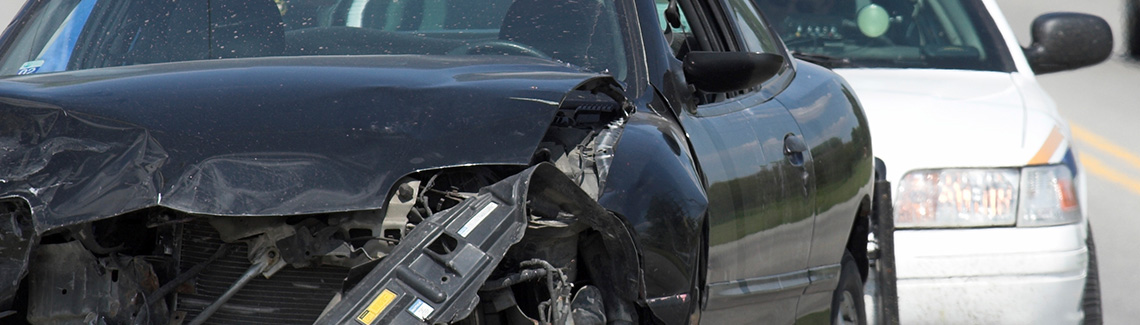
Take photos at the accident scene if you’re able to do so safely. Photograph the overall scene, all vehicle damage from multiple angles, license plates, and any visible road conditions or traffic signals. These images serve as immediate evidence of what occurred. If you didn’t take photos at the scene, document the damage to your vehicle as soon as possible.
How to Document Property Damage for Insurance
Documenting property damage properly strengthens your claim and speeds up the settlement process. The adjuster will eventually inspect your vehicle, but your documentation creates a complete record from day one.

Take multiple photos of each damaged area. Photograph the overall damage first, then zoom in on specific dents, scratches, broken glass, or other harm. Include photos that show the relationship between damaged areas, for example, a wide shot showing both the front bumper and hood damage together. These context photos help the adjuster understand the severity and pattern of impact.
If your vehicle isn’t drivable, document its location and condition. Take photos before it’s moved to a repair shop or towing facility. If temporary repairs become necessary to prevent further damage (like covering broken windows), photograph those too and keep receipts for all work done.
For personal property damaged in the accident, items inside your vehicle, medical equipment, or other belongings, photograph each item and its damage. Create a list noting the item’s age, original cost if known, and current condition. This inventory becomes important if your claim includes coverage for personal property.
Get repair estimates from at least two automotive shops. These estimates provide objective documentation of repair costs. Insurance adjusters use these to determine settlement amounts. Some adjusters will have preferred repair shops, but you have the right to choose your own mechanic.
Keep every receipt and invoice related to the accident. This includes towing bills, rental car costs, medical treatment receipts, and temporary repair expenses. These documents prove your out-of-pocket costs and support your claim for reimbursement.
Required Documentation and Evidence for Your Claim
Insurance adjusters need specific documentation to process your claim properly. Missing documents delay settlement and can result in a lower payout than you deserve.
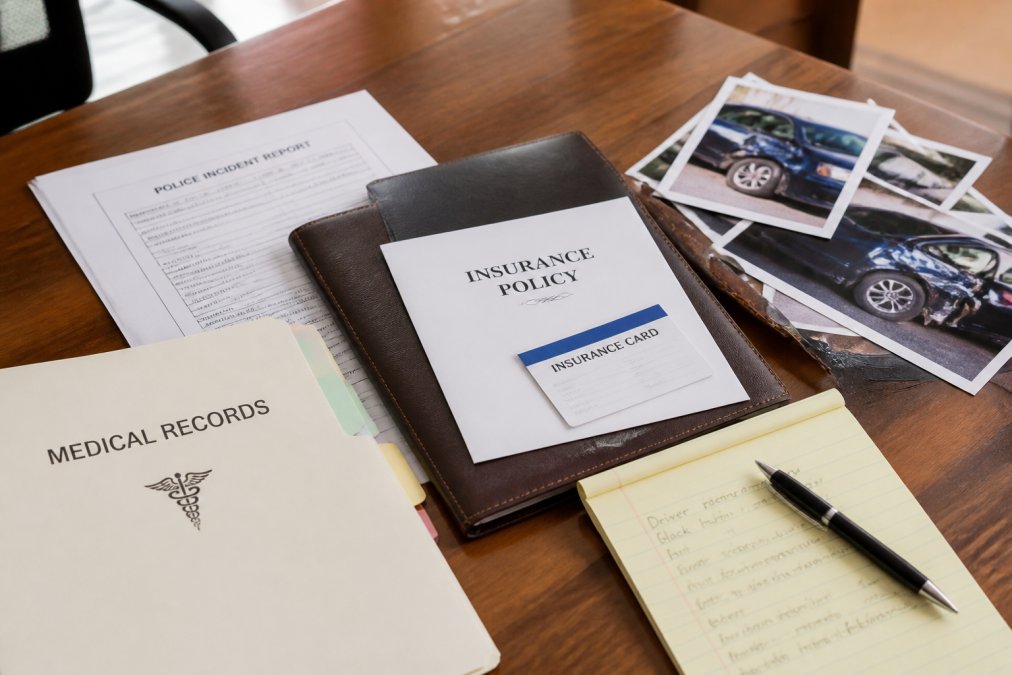
Your policy identification number appears on your insurance card and policy documents. This number links your claim to your coverage and helps the adjuster access your policy details immediately.
The police incident report is essential for claims involving significant damage or injuries. This official document establishes that the accident was reported to law enforcement and provides an independent account of what happened. If you don’t have the report number, contact the police department that responded. Georgia Accident Report can help you obtain this document without the hassle of contacting multiple agencies directly.
Medical records become necessary if anyone suffered injuries. Collect records from emergency room visits, hospital stays, doctor appointments, physical therapy, and any ongoing treatment. These records prove the extent of bodily injury and support claims for medical expenses and lost wages.
Witness statements strengthen your claim, particularly if you weren’t at fault. Get contact information from anyone who saw the accident. Ask them to describe what they witnessed. Written statements are valuable, but even contact information allows the adjuster to follow up independently.
Proof of loss is a formal statement you provide to your insurance company detailing what was damaged or lost and the estimated cost of replacement or repair. Your adjuster will guide you through this, but having repair estimates and receipts ready makes this process straightforward.
Photos and video from the accident scene serve as visual proof of damage. These images are often more convincing than written descriptions alone. Include photos of the accident scene itself if available, road conditions, traffic signals, weather conditions, anything relevant to how the accident occurred.
Your own incident account should be written down factually. Describe what happened, where, when, and how, but avoid admitting fault or making statements about injuries you’re unsure about. Stick to observable facts: “The other vehicle entered the intersection as the light turned red” rather than “The other driver ran the red light.”
Keep copies of all communications with your insurance company. Save emails, note the dates and times of phone calls, and record the names of representatives you speak with. This documentation proves you’ve been responsive and cooperative throughout the claims process.
What Not to Say to Your Insurance Adjuster
Your conversations with the insurance adjuster are recorded and documented. Every statement you make can influence your settlement. Understanding what not to say protects your interests.
Never apologize or admit fault, even if you feel partially responsible. Statements like “I’m sorry this happened” or “I should have been paying better attention” can be interpreted as admissions of liability. Stick to factual descriptions of events without accepting blame.
Avoid speculation about injuries or damage. Don’t say “I think I might have a concussion” or “The damage could be worse than it looks.” Stick to what you know: “I experienced pain in my neck immediately after the impact” or “The front bumper has a visible dent approximately six inches long.”
Don’t minimize your injuries to seem cooperative or tough. If you’re experiencing pain, say so. If you’re unsure about the extent of injuries, say that too. Downplaying symptoms now can hurt your claim later if those injuries prove more serious.
Never agree to a settlement offer on the spot. Tell the adjuster you need time to review the offer and consult with others if necessary. Rushed settlements often undercompensate claimants who later discover additional damages or injuries.
Avoid discussing your financial situation, insurance coverage limits, or whether you have other insurance. This information can influence the adjuster’s settlement offer. Provide only what’s directly relevant to your claim.
Request a copy of your free accident report →
Don’t post about your accident on social media. Insurance companies monitor social media, and posts can be used to dispute your injury claims. A photo showing you at a social event might contradict claims of pain and suffering, even if you’re experiencing genuine distress.
Understanding the Insurance Claim Settlement Timeline
The insurance claim settlement timeline varies based on claim complexity, but understanding typical timelines helps you set realistic expectations and know when to follow up.
Initial contact to adjuster assignment typically takes 1 to 3 business days. Once you’ve reported the claim, the insurance company assigns an adjuster and schedules an inspection.
Adjuster inspection usually occurs within 5 to 10 business days. The adjuster examines your vehicle, reviews your documentation, and may contact witnesses. This inspection is when the adjuster assesses damage and determines liability.
Investigation phase can take 2 to 4 weeks for straightforward claims. For complex claims involving multiple parties, disputed fault, or serious injuries, investigation may extend to 6 to 8 weeks or longer. During this time, the adjuster gathers police reports, medical records, witness statements, and repair estimates.
Settlement offer arrives after investigation concludes. The adjuster calculates damages based on repair estimates, medical records, and policy coverage limits. You’ll receive a written settlement offer detailing what the insurance company will pay and why.
Your response should come within the timeframe specified in the settlement offer, typically 10 to 30 days. Review the offer carefully. If you disagree with the amount, you can request a detailed breakdown or provide additional documentation to support a higher claim.
Payment follows acceptance of the settlement offer. Most insurance companies issue payment within 5 to 10 business days. Payment may go directly to you, to repair shops, or to medical providers depending on your claim structure.
For claims involving bodily injury, the timeline extends significantly. Medical treatment may continue for weeks or months, and the insurance company won’t settle until your medical condition stabilizes. This protects you from accepting too low a settlement before understanding the full extent of injuries.
Some claims settle faster. Minor property damage with clear liability might settle in 2 to 3 weeks. Serious injury claims or disputes over fault can take 3 to 6 months or longer.
Steps to Dispute an Insurance Claim Denial
If your insurance company denies your claim, you have options. Understanding the appeals process helps you challenge unfair denials.
Request a written explanation of the denial. Your insurance company must provide specific reasons for denying coverage. Common reasons include policy exclusions, failure to report timely, or determination that the accident falls outside your coverage.
Review your policy carefully. Read the exact language about your coverage type and any exclusions that might apply. Sometimes denials rest on misinterpretations of policy language. If you believe the denial misapplies your policy, document this in writing.
Gather additional evidence that supports your claim. If the denial was based on incomplete information, new evidence, additional witness statements, medical records, or repair estimates, can strengthen your appeal.
File a formal appeal with your insurance company. Most policies include an appeals process. Submit your appeal in writing with all supporting documentation. Include a detailed explanation of why you believe the denial was incorrect.
Contact your state’s insurance commissioner. If your appeal is denied, you can file a complaint with the regulatory body overseeing insurance in your state. The insurance commissioner’s office investigates complaints and can pressure insurance companies to reconsider denials.
Consider legal representation. For significant claims or complex disputes, consulting with an attorney who handles insurance claims can be valuable. An attorney can review your policy, assess the denial’s validity, and represent you in further appeals or legal action.
Document everything. Keep copies of the denial letter, your appeal, all correspondence with the insurance company, and any regulatory complaints. This documentation becomes important if the dispute escalates.
Disputes over coverage or settlement amounts can take weeks or months to resolve. Stay persistent and organized throughout the process. Many denials are overturned on appeal when claimants provide complete documentation and challenge the insurance company’s reasoning.
Filing an insurance claim after an accident involves multiple steps, but the process becomes manageable when you understand what’s required at each stage. Start by contacting your insurance company promptly, gather thorough documentation, and communicate carefully with your adjuster. If you’re dealing with a complex claim or facing a denial, professional guidance can make a significant difference. Georgia Accident Report simplifies the initial documentation step by helping you obtain your official police report without the typical delays and hassle of contacting multiple agencies. With your incident report in hand and documentation organized, you’re positioned for a smoother claims process. For serious injuries or claim disputes, the legal professionals connected through Georgia Accident Report can provide the specialized assistance needed to protect your interests and ensure fair compensation.
Frequently Asked Questions
What should you avoid saying when filing an insurance claim?
Avoid admitting fault, apologizing for the accident, or speculating about what happened. Don't exaggerate injuries or damages, and never discuss the claim on social media. Stick to factual statements and let the adjuster determine liability. Anything you say can be used against you during the claims process, so keep responses brief and honest without volunteering unnecessary information.
How long does an insurance company have to respond to a claim?
Insurance companies typically have 30 days to acknowledge receipt of your claim and begin investigating. The full claims process usually takes 30-90 days, depending on claim complexity and the extent of damages. Some claims settle faster, while others involving significant injuries or disputes may take longer. Your policy documents and state regulations outline specific timelines, so review your coverage details or contact your carrier for exact deadlines.
What documentation is required to support an insurance claim?
You'll need your policy identification number, a police report, photos of the accident scene and damages, medical records for injuries, witness statements, and proof of lost wages if applicable. Collect contact information from other parties involved and keep receipts for any temporary repairs. Your claim service card or policy documents list specific requirements. The more complete your documentation, the faster your claim will be processed and approved.
Can I file an insurance claim without a police report?
While you can file a claim without a police report, having one strengthens your case significantly. A police report provides an official incident report with the officer's assessment of fault, which insurers use to determine liability. If police didn't respond to your accident, document everything yourself with photos, witness statements, and detailed notes. However, for serious accidents or disputed liability, obtaining an official police report is highly recommended to support your claim.
How do I know if an insurance claim denial is justified?
Review your denial letter carefully—it should explain the specific reason, such as coverage exclusions, policy limits, or insufficient evidence. Check your policy to confirm the coverage applies to your situation. Common reasons include filing after the statute of limitations, lack of documentation, or determination that the damage isn't covered under your policy. If you disagree with the decision, you have the right to appeal and request a detailed explanation from your insurance commissioner.
What's the difference between temporary and permanent repairs in an insurance claim?
Temporary repairs are short-term fixes to prevent further damage or make a vehicle safe to drive while awaiting a settlement. Permanent repairs are the final restoration to pre-accident condition. Insurance companies typically cover both, but temporary repairs must be reasonable and necessary. Get written approval from your adjuster before proceeding with repairs, and keep all receipts. Your settlement should account for both types of repairs based on the adjuster's estimate.
Request a copy of your free accident report:
"*" indicates required fields