


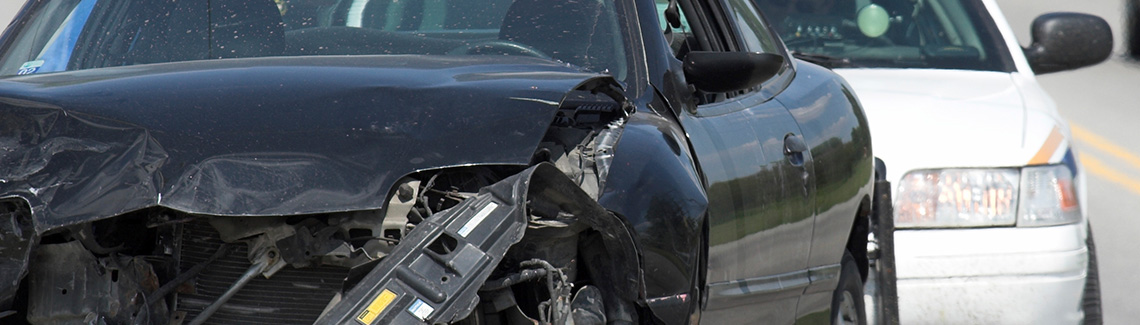
File a Hit-and-Run Report Online: Step-by-Step Guide
October 5, 2026 | | Blog

Table of Contents
- What to Do Immediately After a Hit-and-Run Accident
- How to Report a Hit-and-Run to Police
- Filing a Hit-and-Run Accident Report Online
- File a Police Report Online After a Car Accident
- Understanding Your Hit-and-Run Accident Report Number
- Filing a Hit-and-Run Insurance Claim
- What Happens After You Submit Your Report
- Comparison Table: Hit-and-Run Report Filing Methods
- Frequently Asked Questions
Last Updated: October 4, 2026
What to Do Immediately After a Hit-and-Run Accident
The first moments after a hit-and-run accident are critical. Your actions now will determine how easily you can file a report later and whether your insurance claim succeeds. (Source: National Highway Traffic Safety Administration (NHTSA) guidelines)
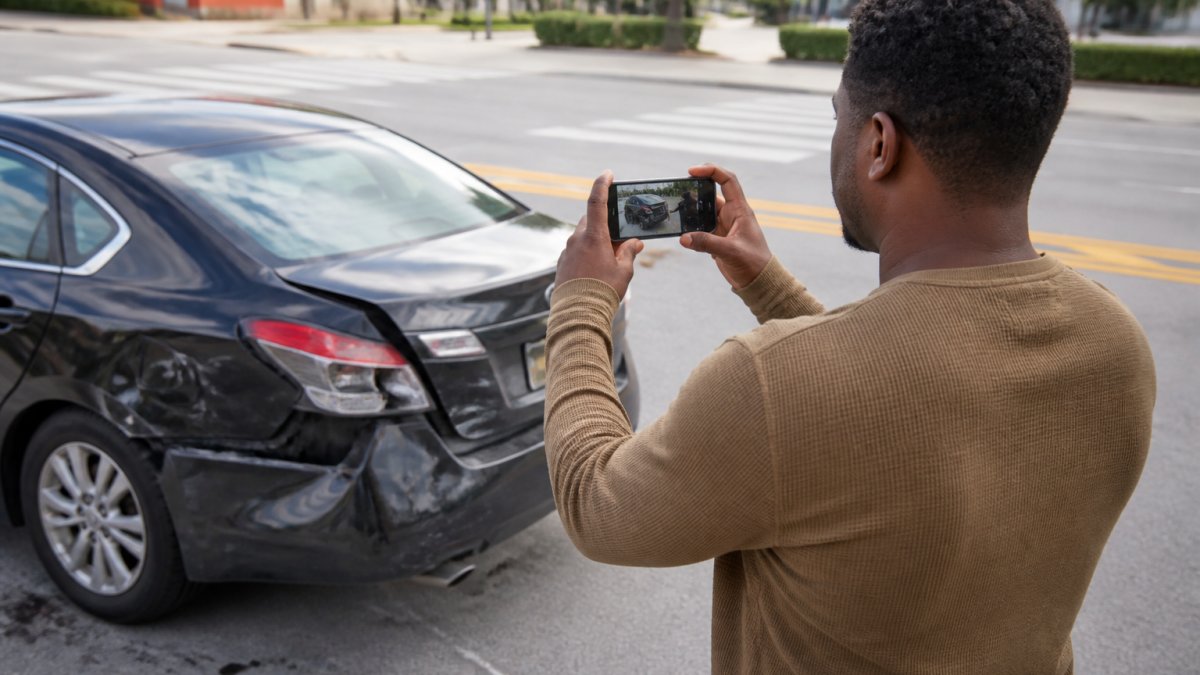
Safety and Evidence Preservation Checklist
Move to safety first. If you’re in traffic, turn on hazard lights and move your vehicle to the shoulder if possible. Call 911 if anyone is injured.
Once you’re safe, document everything:
- Take photos of your vehicle damage from multiple angles
- Photograph the accident scene, road conditions, and traffic signals
- Note the exact time and date
- Write down the location address and nearby landmarks
- Capture license plate numbers of nearby vehicles (they may have witnessed the crash)
- Record weather conditions and lighting
Look for witnesses. Ask nearby people if they saw the other vehicle leave. Get their names and phone numbers. Witness accounts are valuable when filing a hit-and-run report online.
Check for security cameras. Look around the accident location for business cameras, traffic cameras, or residential security systems. Note their locations.
Write down everything you remember about the other vehicle:
- Color and make
- Size and body type
- Partial license plate (if visible)
- Direction of travel
- Any unique damage or markings
Take photos immediately, even if your phone battery is low. These images become evidence and help police investigate. Many hit-and-run claims fail because victims didn’t document the scene.
How to Report a Hit-and-Run to Police
Filing a hit-and-run report means notifying law enforcement about a collision where the other driver left the scene without providing contact information. This report becomes the official record of the accident.
You have two main paths: report online or report in person. Online reporting is faster and works for most hit-and-run incidents. In-person reporting is necessary if the online portal doesn’t accept hit-and-run reports in your jurisdiction.
Information You’ll Need to Gather
Before you file a hit-and-run accident report online, collect these details:
- Your driver’s license number
- Vehicle identification number (VIN)
- Insurance policy number
- Accident date, time, and exact location
- Description of the other vehicle (color, make, model, partial plate if available)
- Witness names and contact information
- Photos of damage
- Police department name and jurisdiction
If you have a police report number from an officer who responded to the scene, include that. If you don’t have one yet, you can still file online.
Do not delay reporting. Most police departments have time limits for filing hit-and-run reports. Some jurisdictions require reports within 10 days. Check your local police department’s requirements to avoid missing deadlines.
Filing a Hit-and-Run Accident Report Online
Filing a hit-and-run accident report online is the fastest way to create an official record. Most police departments now offer online reporting portals for traffic accidents, including hit-and-run incidents.
Locating Your Police Department’s Online Portal
Start by identifying which police department has jurisdiction over the accident location. If the crash happened in an unincorporated area, contact your county sheriff’s office.
Visit the police department’s official website. Look for sections labeled “Report an Accident,” “Online Reporting,” “File a Report,” or “Traffic Accident Report.” Many departments list this under “Services” or “Citizen Services.”
Some police departments use state-wide accident reporting systems. These centralized portals serve multiple agencies. Search for your state’s name plus “online accident report” to find state-level portals.
If you cannot find an online portal, call the non-emergency police line for your jurisdiction. Ask if they accept online hit-and-run reports.
Most major police departments now accept online hit-and-run reports.
Submitting Your Report Through the Portal
Once you access the online portal, the process follows these steps:
-
Select accident type. Choose “Hit-and-Run” or “Traffic Accident” from the dropdown menu.
-
Enter your information. Provide your name, driver’s license number, phone number, and email address.
-
Describe the accident. Enter the date, time, and exact location. Be specific with street names and nearby landmarks.
-
Detail the other vehicle. Describe the vehicle that left the scene. Include color, make, model, size, and any visible damage. If you captured part of the license plate, enter it.
-
Upload photos. Attach images of your vehicle damage, the accident scene, and road conditions. Most portals accept JPG or PNG files.
-
List witnesses. Add names and contact information for anyone who saw the crash.
-
Describe injuries and damage. Explain any injuries and estimate property damage.
-
Review and submit. Check all information for accuracy, then submit the form.
The portal will generate a report number immediately. This confirmation number is your proof that the hit-and-run report online was filed. Save this number. You’ll need it for your insurance claim.
File a Police Report Online After a Car Accident
Filing a police report online after a car accident creates an official record that insurance companies require. This report documents what happened, where, and when.
For hit-and-run accidents specifically, the online report serves as proof that you reported the incident to law enforcement. Insurance companies use this report to process uninsured motorist claims.
When Online Filing Is Not Available
Some smaller police departments don’t yet offer online portals. If the online system doesn’t accept hit-and-run reports in your area, you have three alternatives:
Request a copy of your free accident report →
Report by phone. Call the non-emergency police line for the jurisdiction where the accident occurred. An officer will take your statement over the phone and create a report. Ask for a report number and request that a copy be mailed to you.
File in person. Visit the police department’s front desk during business hours. Bring your driver’s license, vehicle registration, insurance information, and photos. An officer will take your statement and file the hit-and-run accident report. You’ll receive a report number on the spot.
Mail a written report. Some departments accept mailed accident reports. Call ahead to confirm the process and the mailing address. Include all accident details, your contact information, and photos. Mail it certified with return receipt so you have proof of delivery.
If the online portal rejects your hit-and-run report, don’t assume you can’t file. Call the police department and ask which method they use for hit-and-run reports. Many departments handle hit-and-run cases by phone or in person because they require officer follow-up.
Understanding Your Hit-and-Run Accident Report Number
Your hit-and-run accident report number is the official identifier for your case. This number links your accident to the police investigation and your insurance claim.
The report number appears on your confirmation screen when you file online. Save it immediately. Write it down in multiple places: your phone, email, insurance file, and a printed copy at home.
You’ll use this number to:
- Request a copy of the full police report
- File your insurance claim
- Provide documentation to your lawyer
- Track the police investigation status
If you filed by phone or in person, ask the officer for the report number before you leave. If you didn’t receive one, call the police department the next day and provide your name and accident details. They’ll look up your report and give you the number.
Your hit-and-run accident report number is essential documentation. Without it, your insurance company may delay processing your claim. Keep it in a safe, accessible place.
Filing a Hit-and-Run Insurance Claim
Once you have your official police report and report number, you’re ready to file an insurance claim. Contact your insurance company within 24-48 hours of the accident. Delays can complicate your claim.
Tell your insurance agent that you were involved in a hit-and-run accident. Provide your police report number. Your agent will explain your coverage options and next steps.
Documents Required for Your Claim
Insurance companies need specific documentation to process a hit-and-run claim:
- Police report number and a copy of the full report
- Your driver’s license and vehicle registration
- Insurance policy information
- Photos of vehicle damage
- Witness statements (if available)
- Medical records (if you were injured)
- Repair estimates from a body shop
- Proof of loss (if the vehicle is totaled)
Gather these documents before calling your insurance company. Having everything ready speeds up the claim process.
Uninsured Motorist Coverage Explained
Uninsured motorist coverage protects you when the at-fault driver has no insurance or leaves the scene. Hit-and-run accidents qualify for uninsured motorist claims because the responsible driver’s information is unknown.
This coverage pays for your vehicle repairs and medical expenses up to your policy limits. It covers damage, injuries, and lost wages while you recover.
Your insurance company will investigate the hit-and-run accident. They may review police reports, witness statements, and surveillance footage.
Uninsured motorist coverage typically has a deductible. You pay this amount out of pocket before insurance pays the rest. Common deductibles are $250, $500, or $1,000.
What Happens After You Submit Your Report
You may receive a follow-up call from police if they need clarification or additional information.
The police may contact potential witnesses if you provided their information. They’ll also check for security camera footage in the area.
If the police identify the at-fault driver, they’ll contact you and your insurance company.
Most hit-and-run cases remain unsolved.
Your police report number remains valid for insurance purposes indefinitely. You can reference it months or years later if needed.
If you discover additional evidence after filing your report (like security footage or a new witness), contact the police department immediately. Provide your report number and the new information. Police can amend your report to include this evidence.
A hit-and-run accident leaves you without the other driver’s insurance information. This creates stress when filing claims and seeking compensation.
Comparison Table: Hit-and-Run Report Filing Methods
| Method | Time to File | Confirmation | Best For |
|---|---|---|---|
| Online Portal | 15-30 minutes | Immediate report number | Most drivers; fastest option |
| Phone Report | 20-45 minutes | Report number by phone | Departments without online portals |
| In-Person Filing | 30-60 minutes | Report number on-site | Drivers needing immediate assistance |
| Mail Report | 5-10 business days | Return receipt confirmation | Remote locations; no urgent deadline |
EXTERNAL SOURCES REFERENCED:
This guide incorporates information aligned with standard accident reporting procedures across law enforcement agencies in the United States. For specific requirements in your jurisdiction, consult your local police department’s official website or contact them directly at their non-emergency line. Insurance claim procedures follow guidelines set by state insurance commissioners and are consistent with the National Association of Insurance Commissioners guidance on uninsured motorist coverage. Hit-and-run reporting procedures are based on the Governors Highway Safety Association recommendations for traffic accident documentation. For detailed information on how police investigate hit-and-run accidents, refer to the International Association of Chiefs of Police traffic safety resources.
Frequently Asked Questions
Can you file a hit-and-run accident report online?
Yes, many police departments now offer online reporting portals for hit-and-run incidents. The availability depends on your jurisdiction. Most departments allow you to file a report online through their official website or a state accident report portal. If your local police department does not have an online option, you can file in person, by mail, or by phone. Contact your local law enforcement agency directly to confirm which methods they accept for hit-and-run collision reports.
What information do you need to report a hit-and-run?
To file a hit-and-run report, gather the date and time of the crash, the accident location, a description of the other vehicle (color, make, model, license plate if visible), witness contact information, photos of the damage, your insurance details, and any medical attention received. If you have a police report number from an earlier filing, include that as well. The more specific identifying information you provide, the better law enforcement can investigate the incident.
How long after an accident does it need to be reported?
You should report a hit-and-run accident as soon as safely possible, ideally within 24 hours. This ensures evidence is fresh and witness memories are accurate. For insurance purposes, contact your insurance company promptly and provide them with the report number and incident details. Most insurance policies require timely notification of accidents. Delaying your report can complicate your claim submission and may affect coverage eligibility.
Can you file an insurance claim if the driver who hit you is unknown?
Yes, you can file an insurance claim for a hit-and-run accident. Your uninsured motorist coverage typically covers damage when the at-fault driver is unidentified or uninsured. You will need to submit the police accident report, documentation of the damage, and any witness statements to your insurance company. The official police report number is critical for processing your claim. Your insurance company will review the evidence and determine coverage based on your policy terms.
Request a copy of your free accident report:
"*" indicates required fields