


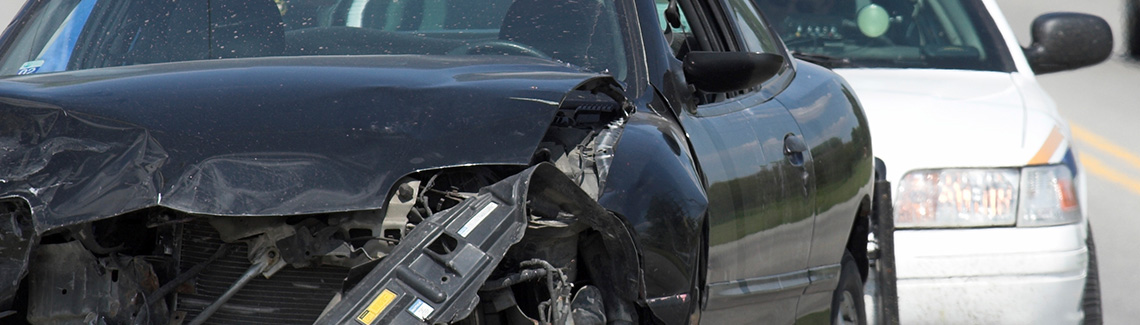
File a Police Report After Leaving the Scene
September 23, 2026 | | Blog
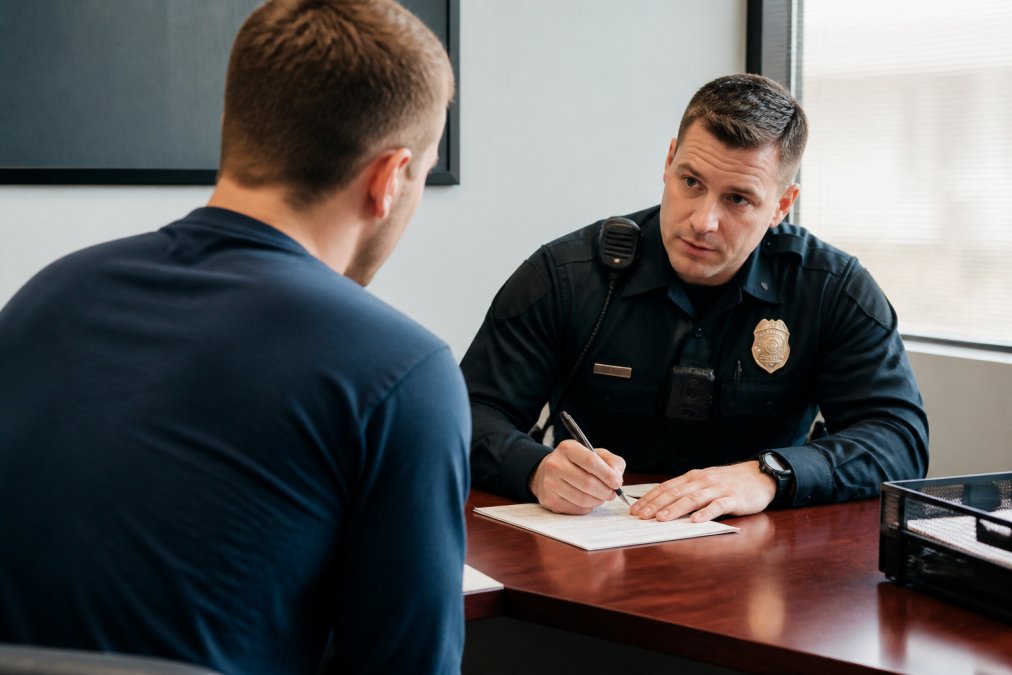
Table of Contents
- Can You File a Police Report After Leaving the Scene?
- Emergency vs. Non-Emergency Reporting: When to Call 911
- How to Get a Police Report
- Georgia Accident Report Requirements for Filing
- Information You’ll Need Before Filing
- Filing an Insurance Claim After Leaving the Accident Scene
- Legal Implications and Statute of Limitations
- Frequently Asked Questions
Last Updated: September 1, 2026
Can You File a Police Report After Leaving the Scene?
To get your FREE accident report fill out the yellow form at the bottom of the page.
Yes, you can file a police report after leaving the scene of an accident. Many drivers believe they’ve lost the opportunity to document an incident if they don’t immediately contact law enforcement, but that’s not accurate. The ability to file depends on the type of incident, jurisdiction, and time elapsed. At Georgia Accident Report, we help drivers retrieve official police reports and connect them with legal resources when needed.
The critical distinction is between emergency and non-emergency situations. If you left without reporting immediately, you still have options, but the steps depend on whether anyone was injured, if there’s significant property damage, or if the incident involves a hit-and-run.
Emergency vs. Non-Emergency Reporting: When to Call 911
Call 911 if anyone is injured, there’s an immediate threat to safety, or a crime is actively occurring. For accidents where all parties are safe, vehicles are drivable, and no crime is in progress, use the non-emergency number.
Emergency situations require immediate dispatch. Call 911 for chest pain, difficulty breathing, severe bleeding, loss of consciousness, or any sign of serious injury (the CDC). Even minor injuries can manifest hours after impact. If the accident involves a hit-and-run where the other driver fled, this constitutes a crime and warrants a 911 call.
Non-emergency reporting suits property-damage-only accidents where both drivers are present and cooperative, minor fender-benders with no injuries, or incidents you’re reporting hours or days later. Most police departments maintain separate non-emergency lines for these situations. These calls are logged, documented, and result in official incident reports without tying up emergency resources.
You can file a non-emergency report days after an accident, but the sooner you report, the fresher the details and the easier documentation becomes. If you’re returning to file a report after leaving the scene, use the non-emergency line and explain the timeline clearly.
How to Get a Police Report
Obtaining an official police report requires knowing which agency responded and how to request documentation. If you called 911 or the non-emergency line, an officer was dispatched and created a report.
Identify which police department handled your accident. If it occurred within city limits, contact the city police department. For county roads or unincorporated areas, contact the sheriff’s office. For state highways, the state patrol maintains records. Having the approximate location, date, and time speeds up retrieval significantly.
You can request a copy through online portals, in person, or by phone. Many departments charge a small fee. Processing times vary from days to weeks depending on jurisdiction.
Georgia Accident Report simplifies this process. Instead of contacting multiple agencies and navigating separate systems, submit a single request through our service and we handle retrieval of your official report. We serve all of Georgia and work with departments across the state, eliminating confusion about which agency to contact.
Georgia Accident Report Requirements for Filing
Filing a police report after leaving the scene requires specific information and follows particular procedural steps. When filing an initial report for an incident you previously left, be prepared to provide a detailed account of what happened and explain why you’re reporting it now. Honesty about the delay is essential; misrepresenting the timeline can complicate your claim and create legal issues.
If requesting a copy of an existing police report, you’ll need the case number if available, or the date, time, and location of the incident. Many departments require a valid ID and may ask for your relationship to the case. Some jurisdictions require you to be directly involved to access the full report.
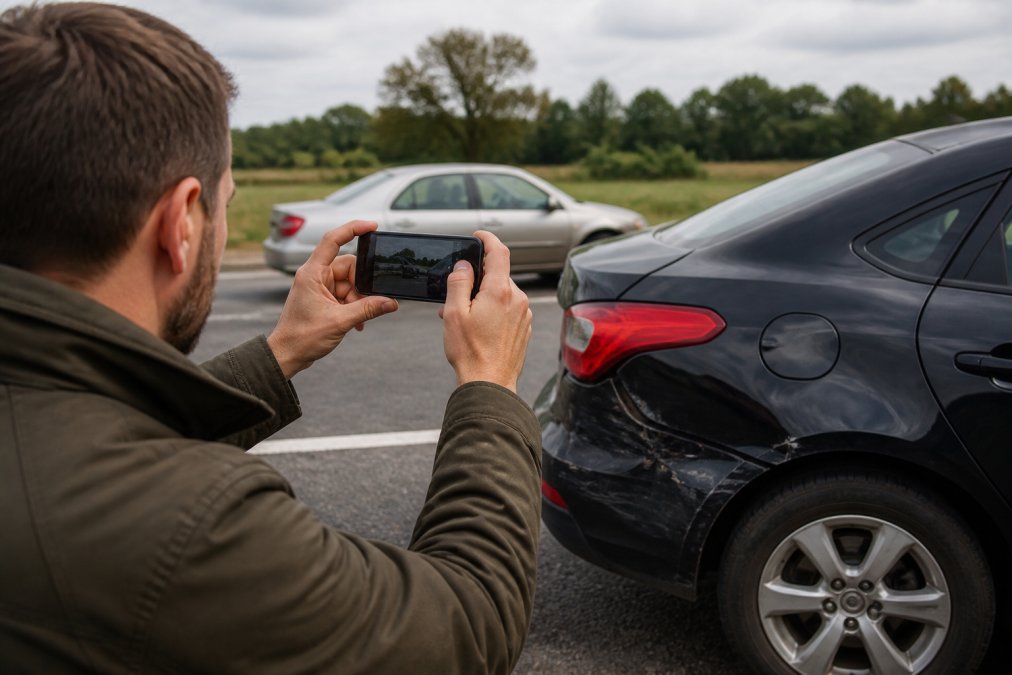
Have your insurance information available, the other party’s details if exchanged, and any witness contact information. Photographs of vehicle damage, the accident scene, and license plates strengthen your documentation, though these aren’t strictly required.
Complex incidents or those involving injuries may take longer. When you request a report through Georgia Accident Report, we handle follow-ups with relevant agencies and ensure you receive official documentation.
Information You’ll Need Before Filing
Gathering the right information before filing significantly simplifies the process and ensures your documentation is complete.
Start with basic incident details: exact date, time, and location. Include weather conditions, road conditions, and lighting. These environmental factors help establish context and may be relevant to fault determination.
Document information about the other vehicle: license plate number, make, model, color, and year. Record the other driver’s name, phone number, and address if exchanged. Provide a description of the other vehicle and identifying features if you didn’t get details at the scene.
Describe what happened in clear, chronological order. Which direction were you traveling? What was the other vehicle doing? What caused the collision? Be specific about traffic signals, stop signs, and right-of-way.
Witness information is valuable. If anyone saw the accident, get their name, phone number, and a brief statement about what they observed.
Request a copy of your free accident report →
Photograph evidence matters. If you took photos at the scene, note what they show: vehicle damage, road conditions, traffic signals, or debris. If you didn’t photograph the scene, describe any visible damage and injuries. Document your vehicle’s damage with photos if you haven’t already.
Have your insurance policy number, insurer’s contact information, and coverage details ready.
Filing an Insurance Claim After Leaving the Accident Scene
Filing an insurance claim after leaving the scene requires the same documentation as any claim, but the timeline and your explanation matter more. Contact your insurance company as soon as you decide to file and explain the situation honestly. Most policies don’t penalize reasonable delays if you’re transparent about what happened.
Provide your insurer with the police report number once obtained. The official police report is the document insurers rely on to verify the incident, establish fault, and process your claim. Without it, your claim becomes harder to substantiate.

Be prepared to discuss accident details with your claims adjuster. Having the police report before this conversation strengthens your position because the official account supports your version of events.
Filing a claim after leaving the scene doesn’t automatically result in denial, but it requires more thorough documentation. Your insurer may investigate more extensively to confirm details match your account and the police report. Cooperate fully with this process.
Insurance claim denial risks increase when reporting is delayed without clear reason or when your account conflicts with the police report. Accuracy in your initial report to police matters, as it becomes the baseline against which your insurance claim is evaluated.
Georgia Accident Report helps by ensuring you have official police documentation quickly. We can connect you with car accident and injury lawyers who understand insurance claims and can protect your interests if the insurer disputes liability or offers an unsatisfactory settlement.
Legal Implications and Statute of Limitations
Leaving the scene of an accident without reporting it, especially if there’s injury or significant property damage, can constitute a criminal offense. Hit-and-run laws exist to ensure drivers take responsibility for incidents they’re involved in (nhtsa.dot.gov). Even if you return later to file a report, the delay itself may be viewed unfavorably.
The statute of limitations for filing a report varies by jurisdiction and incident type. For minor property-damage incidents, there may be no formal deadline. For incidents involving injury, the statute of limitations is typically several years. However, the longer you wait, the weaker your case becomes as memories fade and evidence deteriorates.
Delaying a report also affects your insurance claim timeline. Most policies require prompt notification. A significant delay can give your insurer grounds to question your credibility or claim the delay prejudiced their investigation.
If you’re facing potential legal consequences, consult with a lawyer before filing your report. An attorney can advise you on minimizing legal exposure while ensuring compliance with reporting requirements. Georgia Accident Report connects you with car accident and injury lawyers who understand these complexities.
The statute of limitations for civil claims is typically two years from the accident date in Georgia (georgia.gov). However, gathering evidence becomes harder as time passes. Filing your police report promptly creates an official record that strengthens your legal position if litigation becomes necessary.
Filing a police report after leaving the scene is possible and often necessary to protect your insurance claim and establish an official record. The process requires gathering accurate information, understanding whether your situation is emergency or non-emergency, and obtaining official documentation. Georgia Accident Report simplifies this by retrieving your official police report at no cost and connecting you with experienced car accident and injury lawyers. Request your free accident report today and get the professional support you need.
Frequently Asked Questions
Can you file a police report if you left the scene of an accident?
Yes, you can file a police report after leaving the scene. Most jurisdictions allow you to report an accident within a reasonable timeframe. However, the sooner you report it, the better. Delayed reporting may raise questions about your account of events, and some insurance companies require prompt notification. Contact your local police department’s non-emergency line or visit their reporting portal to file an incident report. Having an official record is crucial for insurance claims and establishing a documented account of what happened.
How long after an accident can you file a police report in Georgia?
Georgia law does not specify a strict deadline for reporting a traffic accident to police, but you should report it as soon as practical. The longer you wait, the less reliable witness information becomes and the harder it is to preserve physical evidence. Insurance companies typically expect prompt notification—often within 24 to 72 hours. For your insurance claim, check your policy’s specific reporting deadline. Filing a delayed report is still valid for official documentation purposes, but early reporting strengthens your case and ensures all details are accurately captured while fresh.
What information do I need to file a late accident report?
To file a delayed accident report, gather: your name, contact information, and driver’s license number; the other vehicle’s license plate, make, model, and color; the other driver’s name, phone number, and insurance details if you have them; the accident location (street address or intersection); the date and approximate time; a description of how the accident occurred; photos of vehicle damage if available; and witness names and contact information if anyone saw the accident. The more details you can provide, the stronger your official record will be. If you don’t have all information, provide what you do have—police can document a partial report.
Why is a police report important for insurance claims after leaving the scene?
An official police report creates an independent, documented record of the accident that insurance companies use to verify your account and establish fault. Without a report, your claim relies solely on your statement, which may be questioned or denied if the other party disputes what happened. Insurance companies often require an official incident report before processing claims for property damage or personal injury. A police report also protects you legally by creating a timestamped record of your version of events and can be critical if the other party files a counterclaim or if the accident involves injuries that develop later.
Request a copy of your free accident report:
"*" indicates required fields