


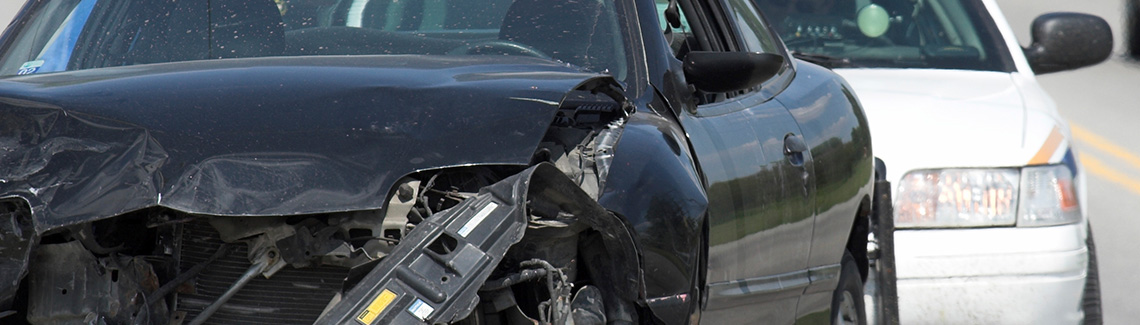
Requesting a Crash Report for Insurance Claim
October 19, 2026 | Firm Name | Blog
Table of Contents
- How to Get a Police Accident Report: Step-by-Step
- Where to Request a Crash Report for an Insurance Claim
- What to Tell Insurance After a Car Accident
- How Long Does It Take to Get a Crash Report?
- Correcting an Error on a Police Accident Report
- What to Do When No Police Report Was Filed
- How a Free Report Service Handles the Process
- Conclusion
- Frequently Asked Questions
Last Updated: October 18, 2026
How to Get a Police Accident Report: Step-by-Step
To get your FREE accident report fill out the yellow form at the bottom of the page.
Requesting a crash report for insurance claim purposes starts with one call or click to the right agency. At Georgia Accident Report, we walk drivers through this process every day, and the steps rarely change: find the agency that worked the scene, submit a request form, prove who you are, and wait for the copy to arrive. Below, we’ll show you exactly how to do each one without wasted trips. (Source: official record a law enforcement officer files after a collision)
Here is the short version of the process:
- Note the date, location, and agency at the scene
- Find the records division that holds the report
- Submit a request form with proof of identity
- Pay any copy fee the agency charges
- Follow up if the report is not ready on time
A crash report is the official record a law enforcement officer files after a collision. It lists the drivers, vehicles, witnesses, and the officer’s view of what happened. Insurers use it to confirm the facts and sort out fault.
Most agencies will not release a report to just anyone. You generally need to be a driver, a passenger, an owner of the vehicle, or a representative such as an attorney or insurer.

Where to Request a Crash Report for an Insurance Claim
The agency that holds your report depends on who responded to the crash, and getting this wrong is the single most common reason requests stall.
Use this guide to narrow down the right office before you call:
|
Where the crash happened |
Who usually holds the report |
Common request method |
|---|---|---|
|
Inside city limits |
Municipal police department records division |
In person, mail, or online portal |
|
County road or unincorporated area |
County sheriff’s office |
In person or mail |
|
State highway or interstate |
State police or highway patrol |
Online portal or mail |
|
Multi-agency or unclear |
State records unit or Department of Transportation crash records office |
Online request or phone |
|
Crash on private property |
Often no report; local agency may accept a late self-report |
In person or online self-report form |
Online portals are increasingly the fastest route. Many state patrols and larger municipal departments now publish crash reports through a vendor portal, often within a few business days of the officer filing.
State-level records units. Some states centralize crash reports at the state police, highway patrol, or Department of Motor Vehicles/Department of Transportation rather than at the local department that worked the scene.
What to Tell Insurance After a Car Accident
Tell your insurer the basic facts right away: the date, time, and location of the crash, the other driver’s information, and whether police came to the scene. Then let them know a crash report is on the way.
Here is what to have ready when you call:
- Your policy number and the claim number
- The other driver’s name, plate, and insurance details
- Names and contact info for any witnesses
- The report number or agency name, if you have it
- Photos of the damage and the scene
Be honest and stick to what you saw. Do not guess at speed or fault. If you were hurt, say so and ask how medical bills should be submitted.
A common mistake is waiting for the report before you notify anyone. Report the crash to your insurer promptly, then send the report when it lands. Delays in notice can complicate a claim even when the crash itself is clear-cut.
How Long Does It Take to Get a Crash Report?
Timing depends less on the agency’s published window and more on when the officer actually files the report. A common pattern is a few business days for filing plus a few business days for records processing, in practice, many drivers get a copy within one to two weeks, though busy departments and complex crashes (injury, fatality, commercial vehicles, hit-and-run) can take considerably longer. (Source: the National Highway Traffic Safety Administration (NHTSA))
Rough timing by request method:
- Online portal: Often the fastest. Once the report is filed and approved, many portals deliver a downloadable PDF within minutes to a few business days.
- In person: Usually same-day if the report is already filed and approved; otherwise you may be told to return.
- Mail: Add mailing time in both directions on top of the agency’s processing window. A request that takes a week to process can take two to three weeks door to door.
- Email or fax request: Processing time varies widely; confirm the agency accepts the method before sending.
What affects the timeline:
- How quickly the officer files the report (injury and reconstruction cases take longer)
- Whether the records division is backlogged
- Whether the report needs supervisory or legal review before release
- Whether the request is missing information and gets returned
- Whether the report is held pending an ongoing investigation
What to do while you wait. You do not need the report in hand to start the insurance process. Notify your insurer promptly with the crash date, location, other driver’s information, and the report number or agency name. Most adjusters will open the claim and begin gathering evidence before the report arrives; they simply cannot finalize fault without it.
Request a copy of your free accident report →
If the report is late or missing, escalate in this order:
- Call the records division and ask for the report’s status by report number, confirm whether it is filed, pending review, or not yet received from the officer.
- Ask to speak with the records supervisor if the front-line clerk cannot locate it.
- Contact the responding officer’s supervisor or the department’s records unit in writing, citing the crash date, location, and your request date.
- If the agency still cannot produce it, ask for a written statement that no report is available; some insurers will accept that in place of the report.
- As a last resort, contact the state crash records unit or the agency’s public records officer to confirm whether the report was filed at the state level instead.
Correcting an Error on a Police Accident Report
Errors happen. A misspelled name, a wrong plate number, or a swapped vehicle description can slow a claim or point fault the wrong way. When you spot a mistake, contact the records division that issued the report and ask about their correction process. Many agencies require a written request that cites the report number and describes the error.
Do this as soon as you notice the problem. Bring supporting proof, such as your registration, license, or photos of the vehicles. Ask whether the agency issues a corrected copy or an amendment attached to the original. Keep both versions for your insurer.
Check these details first:
- Your name, address, and driver’s license number
- The other driver’s details and plate
- Vehicle makes, models, and damage descriptions
- The stated location and time of the crash
- The officer’s notes on fault and citations
What to Do When No Police Report Was Filed
Not every crash gets a police report. Minor fender-benders on private property, or crashes where no one called police, often have no official record. When that happens, build your own file. Gather photos of the damage and the scene, collect witness names and numbers, and exchange insurance information with the other driver.
Then report the crash to your insurer and explain that no police report exists. Many insurers will accept other evidence, such as photos, repair estimates, and witness statements. If the crash caused injuries or serious damage, consider filing a report after the fact with the local agency. Some departments accept late reports, though rules vary.
Keep a simple evidence file with:
- Photos and video from the scene
- Contact info for witnesses
- Repair shop estimates
- Medical records, if anyone was hurt
- A written timeline of what happened
How a Free Report Service Handles the Process
A free report service does the legwork of contacting the right agency and requesting your crash report on your behalf. Georgia Accident Report offers this at no cost and with no obligation.
Here is how it works for you:
- You submit your crash details and proof of identity
- We locate the agency that holds the report
- We submit the request and follow up on timing
- You get your official report for your insurance claim
If you are still deciding whether you need legal help, that is fine. Submitting a request also connects you with a team of car accident and injury lawyers who can answer questions, with no pressure to hire anyone. For drivers in rural counties or unfamiliar jurisdictions, this saves hours of calling around.
Conclusion
The hardest part of a claim is often the waiting, not the paperwork. You need the official record in hand before an insurer will confirm fault, and chasing the right agency can eat days you do not have. Georgia Accident Report retrieves your crash report at no cost, contacts the correct police or state patrol office for you, and verifies the report was filed correctly. Request a copy of your free accident report and let us handle the legwork while you focus on recovery.
Frequently Asked Questions
How do I request a crash report for an insurance claim?
Start by identifying which agency responded to the crash: local police, state police, or the Department of Motor Vehicles. Then submit a request through that agency’s online portal, by mail, in person, or by email. You’ll typically need the report number, date and location of the crash, and proof of identity. A free service like Georgia Accident Report can submit the request for you and connect you with injury lawyers if needed.
Can I file an insurance claim before I receive the crash report?
Yes. Most insurers let you open a claim right away, and you can add the crash report once it arrives. Report the accident promptly, give your insurer the basic facts (date, location, involved parties, and any injuries), and tell them you are requesting the official report. Keep your claim number and follow up with the report as soon as you receive it so the adjuster can complete fault determination.
What should I do if the crash report contains an error?
Contact the records division of the agency that created the report and ask about their correction process. You may need to submit a written request or an affidavit with supporting evidence, such as photos or witness statements. Do not alter the document yourself. Request a corrected or amended copy in writing, and keep both versions for your insurance claim and any legal matter.
How long does it take to get a crash report?
Processing time varies by agency. Some reports are available within a few business days, while others take several weeks, especially if the crash is still under investigation. Ask the records division for their typical turnaround when you submit your request. If you have not received the report after the stated window, follow up by phone or email and confirm your request was received.
Request a copy of your free accident report:
"*" indicates required fields