


Get Your Accident Report After a Crash
October 13, 2026 | Firm Name | Blog
Table of Contents
- What You Need Before Requesting Your Accident Report
- How to Get Your Accident Report After a Crash
- How Long Does It Take to Get a Crash Report
- Understanding Your Accident Report Number
- What to Do If an Accident Report Is Incorrect
- Fees, Eligibility, and Access Restrictions
- Using Your Report for Insurance Claims and Legal Purposes
- What to Do When Your Accident Report Is Missing or Delayed
- Frequently Asked Questions
Last Updated: October 12, 2026
What You Need Before Requesting Your Accident Report
Gathering the right information before you request your accident report after crash saves time and prevents delays.
Collect the basics: the date and time of the crash, the street address or intersection, and the names of all involved drivers. Your driver’s license number and vehicle registration details also speed up the search.
Note whether law enforcement responded to the scene. Minor fender-benders and low-speed incidents sometimes go unreported, meaning no official motor vehicle crash report exists. If you’re unsure, check your insurance company’s records.
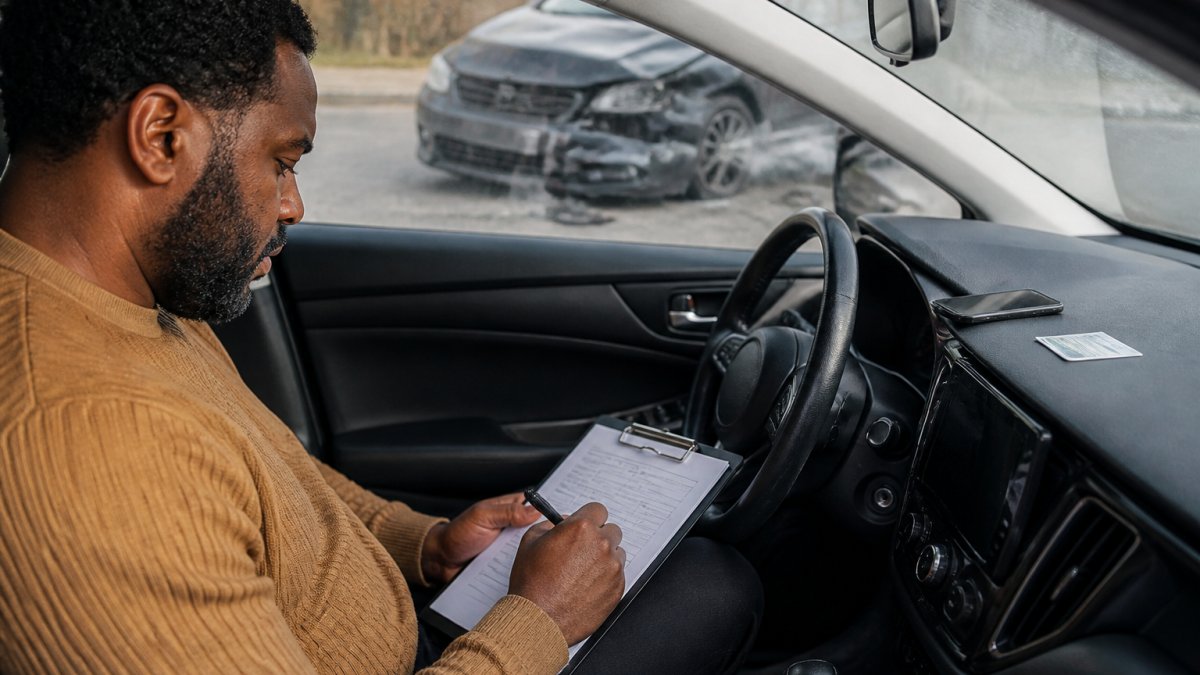
Keep any documentation you already have: photos, witness contacts, insurance correspondence, or medical records. These won’t replace your official accident report, but they help you verify its accuracy and support insurance claims or legal action. At Georgia Accident Report, we handle the legwork of retrieving your certified copy.
How to Get Your Accident Report After a Crash
Three main methods exist to retrieve your accident report after crash: online search, mail request, or in-person pickup. Each has different timelines and requirements.
Online Report Retrieval
The fastest way to get your accident report is through an online portal, if your jurisdiction offers one. Many agencies now let drivers search for and download reports through secure websites, typically in minutes to hours rather than days.
To search online, you’ll need your crash report number or the basic details: date, location, and driver information. Visit the website of the agency that responded to your crash, find its records section, enter your information, pay any search fee, and receive an instant download or a link within 24 hours.
The advantage is speed and convenience; the limitation is that not all jurisdictions, particularly rural ones, have online portals. If the agency doesn’t offer online retrieval, use mail or in-person methods.
Requesting by Mail
If online access isn’t available, you can request your motor vehicle crash report by mail. It works from anywhere but takes longer: typically 5 to 10 business days after the agency receives your request, plus mailing time both directions.
Identify the correct agency: the police department or sheriff’s office that responded to your crash handles the records. If you’re unsure, check your insurance paperwork or call the jurisdiction’s non-emergency line and ask for the records division’s mailing address.
Prepare a written request with your full name, the crash date, location, other drivers’ names if known, and your contact information. Some agencies provide a form; others accept a letter. Include payment if required, then mail it to the records office.
In-Person Requests at District Offices
For the fastest retrieval, visit the district office in person. You can often walk out with a certified copy the same day, though some agencies require 24 hours for processing.
Bring your identification and crash details. Go during business hours, ask the records clerk for a certified copy of a motor vehicle crash report, provide the date, location, and vehicle information, and pay any fee on the spot.
The main drawback is location: if the crash occurred far from where you live, traveling to the district office may not be practical. For those near the investigating agency, in-person pickup is fastest.
How Long Does It Take to Get a Crash Report
Processing time depends on your method and how busy the records office is. Understanding these timelines helps you plan for insurance claims or legal deadlines.
Online retrieval is fastest: often instant or within 24 hours. Mail requests typically take 5 to 10 business days to process plus 3 to 5 days postal delivery each direction, totaling 10 to 20 days. In-person requests usually take 24 hours or less.
These timelines assume the report has already been filed. Officers may take 2 to 7 days to complete and file their initial report, depending on the crash’s complexity and the agency’s workload. Crashes involving injuries, multiple vehicles, or traffic violations take longer to document than simple fender-benders.
If the investigating officer hasn’t yet filed the report, your request will come back with no results, which happens frequently in the first week after a crash. Wait a few days and try again, or contact the investigating officer directly.
If you need your accident report urgently for an insurance claim, start the request process within 24 hours of the crash. This gives the investigating officer time to file the report while you wait. Georgia Accident Report handles this for you at no cost, ensuring you have your documentation as quickly as possible.
Understanding Your Accident Report Number
Your accident report number is a unique identifier assigned by the investigating agency, essential for retrieving your report quickly and referencing it in insurance claims or legal proceedings.
The officer assigns the report number when creating the official motor vehicle crash report. You may receive it at the scene on a crash report card or incident number; if not, contact the police department or check your insurance claim, since your insurer receives the number from law enforcement.
Having the report number dramatically speeds up the search: instead of searching by name and crash date among thousands of records, the agency pulls your report in seconds. If you’ve lost it, provide the crash date, location, and driver names instead, though this takes longer.
Keep your report number with your vehicle registration and insurance documents. You’ll reference it repeatedly if you file a claim, pursue legal action, or verify crash details.
Request a copy of your free accident report →
What to Do If an Accident Report Is Incorrect
Errors in accident reports are common: misspelled names, wrong vehicle information, inaccurate accounts of the crash, or omitted details. These mistakes can complicate insurance claims and hurt your legal case if the report contradicts your version of events.
If you find errors, contact the investigating officer or the records division of the police department that filed the report. Explain the specific inaccuracy and provide documentation that supports the correction. The officer may issue a supplemental report or amendment to clarify the error.
This process takes time and isn’t guaranteed to result in changes. Police reports are considered official documents, and agencies are often reluctant to alter them after filing. However, if the error is factual, a misspelled name, wrong vehicle description, or missing information, the officer may add a clarification or correction note to the record.
For significant errors that affect your insurance claim or legal case, consult with a car accident attorney. They can formally challenge the report’s accuracy or present evidence that contradicts it. Georgia Accident Report connects you with experienced accident and injury lawyers who can advise on whether report errors affect your case and how to address them.
Fees, Eligibility, and Access Restrictions
Most police departments charge a fee to retrieve a certified copy of your accident report. Fees vary by jurisdiction. Some agencies charge a search fee in addition to the copy fee. Payment methods vary: some accept only cash or check, others accept credit cards, and many now accept payment online or by phone.
Eligibility to access a report depends on your relationship to the crash. Drivers involved in the crash can always request their own report. Passengers, witnesses, and family members of injured parties may be able to access the report but sometimes face restrictions. Insurance companies and attorneys can request reports on behalf of their clients with proper authorization.
Some jurisdictions restrict access to certain information within the report. Names, addresses, and phone numbers of uninvolved parties may be redacted. Driver’s license numbers are often removed for privacy. The investigating officer’s notes or conclusions might be limited depending on state law and whether the case is still under investigation.
Do not assume you can access a report freely. Some agencies restrict access to parties directly involved in the crash. If you’re requesting a report as a witness or family member, call the records office first to confirm you’re eligible before submitting a formal request.
Using Your Report for Insurance Claims and Legal Purposes
Your official accident report is essential documentation for insurance claims and legal action. Insurance companies use it to determine fault, verify the sequence of events, and assess whether coverage applies. Attorneys use it as evidence in settlement negotiations or court proceedings.
When filing an insurance claim, submit your certified copy to your insurance company’s claims adjuster. The report strengthens your claim by providing an independent, official account of the crash. If the other driver disputes what happened, the police report’s version often carries significant weight in determining fault.
For legal action, your report is a key piece of evidence. If you’re pursuing a personal injury claim, your attorney will use the report to establish that the other driver caused the crash and that you were injured as a result. The report documents the date, time, location, vehicles involved, and the officer’s assessment of how the crash occurred.
Keep multiple certified copies on hand. You may need one for your insurance company, one for your attorney, and one for your own records. Some agencies charge per copy, so requesting extras at the time of your initial request is more efficient than ordering additional copies later.
Your official accident report is the foundation of your insurance claim and any legal case. Obtain it as quickly as possible after the crash, verify its accuracy, and keep it safe alongside your other crash documentation.
What to Do When Your Accident Report Is Missing or Delayed
If you request your report and receive no results, the most common reason is that the investigating officer hasn’t yet filed it. Police reports take time to complete, especially for complex crashes. If this happens, wait 5 to 7 days and try your request again.
If the report still doesn’t appear after two weeks, contact the investigating officer or the police department’s records division directly. Provide the crash date and location and ask whether the report has been filed.
In rare cases, a report may never be filed. This can happen if the crash was never reported to police, if the officer failed to complete their paperwork, or if records were lost.
When no official police report exists, document the crash yourself. Gather statements from witnesses, take photos of vehicle damage, collect insurance information from the other driver, and document your injuries if any.
Georgia Accident Report handles this entire process for you. We work with law enforcement to locate your report, follow up if it’s delayed, and retrieve your certified copy at no cost.
Getting your accident report quickly after a crash is critical for protecting your insurance claim and legal rights. The process is straightforward once you know which agency to contact and what information you’ll need.
Frequently Asked Questions
How do I know if the accident report I receive will be accepted by my insurance company?
Official police reports from law enforcement agencies are the standard documentation insurers require. When you request an accident report after a crash through official channels, you receive a certified copy that insurance companies recognize. Verify with your insurer which specific details they need (report number, date, location) before submitting. If you’re unsure whether your report meets their requirements, contact your insurance agent with the report details before filing your claim.
What information do I need to request a Georgia crash report?
To locate your accident report, you’ll need the crash date, location (city or street), and the names of drivers involved. Your driver’s license number and vehicle information (make, model, license plate) also help. If available, the police report number speeds up retrieval. Having this information ready before contacting the reporting agency or using an online portal reduces processing delays and ensures accurate record matching.
Can I get a free accident report after a crash?
Many reporting agencies offer free initial copies of accident reports to drivers involved in the motor vehicle crash. However, certified copies or additional duplicates may carry fees. Check with your local law enforcement agency or state records office for their specific fee structure. Some services handle report retrieval at no cost to you.
What should I do if I can’t find my accident report?
If your report is missing or you cannot locate it, contact the investigating officer or the law enforcement agency that responded to the crash. Provide the exact date, time, and location. If the crash occurred without a police response, you may need to file a self-reported crash report with your state’s motor vehicle department. Document your search efforts and contact attempts, as these records help if you need to dispute claim denials or pursue legal action.
Request a copy of your free accident report:
"*" indicates required fields