
How to Read a Georgia Uniform Motor Vehicle Accident Report
August 29, 2026 | | Blog
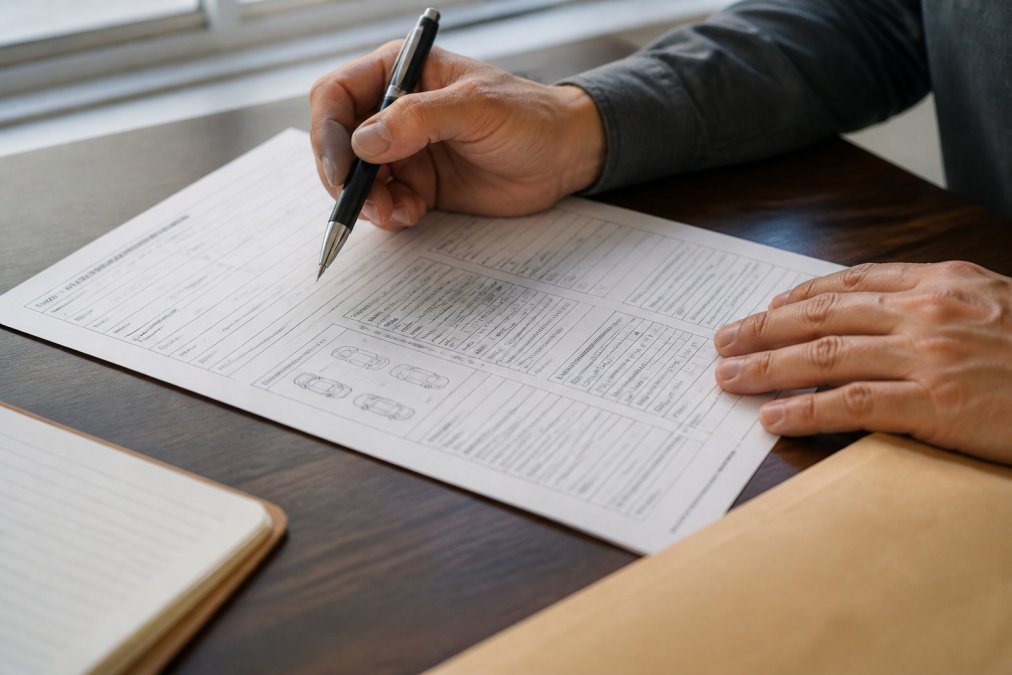
Table of Contents
- What Is a Georgia Uniform Motor Vehicle Accident Report
- How to Get Georgia Police Report
- Understanding the Front Page Details
- Interpreting Accident Report Fault Codes
- Reading the Crash Narrative and Accident Diagram
- How Long Does It Take to Get a Police Report in Georgia
- What to Do If Your Accident Report Is Wrong
- Using Your Report for Insurance and Legal Purposes
Last Updated: August 29, 2026
What Is a Georgia Uniform Motor Vehicle Accident Report
To get your FREE accident report visit georgiaaccidentreport.com and fill out the yellow form.
A Georgia Uniform Motor Vehicle Accident Report is the official document filed by law enforcement when a vehicle collision occurs. It serves as the authoritative record of what happened, who was involved, and the investigating officer’s findings about fault and contributing factors. This report becomes critical documentation for insurance claims, legal proceedings, and establishing liability.
The report follows a standardized format across all Georgia police departments, capturing driver information, vehicle identification numbers, insurance details, accident narrative, a diagram showing point of impact, and the officer’s determination of contributing factors and citations issued. Understanding how to read this document is essential if you’ve been in an accident, as it contains coded information and technical language that requires interpretation. Georgia Accident Report helps individuals obtain these official documents quickly and connects them with legal professionals who can explain what the report means for their claim.
How to Get Georgia Police Report
Obtaining your official police report involves contacting the law enforcement agency that responded to your accident. Most police departments in Georgia accept requests in person, by mail, by phone, or through online portals (georgia.gov). You’ll need to provide the accident date, location, involved parties’ names, and case or report number if available. Processing times vary, but many agencies complete requests within 7-10 business days.
The challenge is knowing which department to contact. City accidents involve city police, state highways involve Georgia State Patrol, and county roads may involve the sheriff’s office. Georgia Accident Report eliminates this friction by identifying the correct agency, filing the request, and retrieving your official report at no cost.
Understanding the Front Page Details
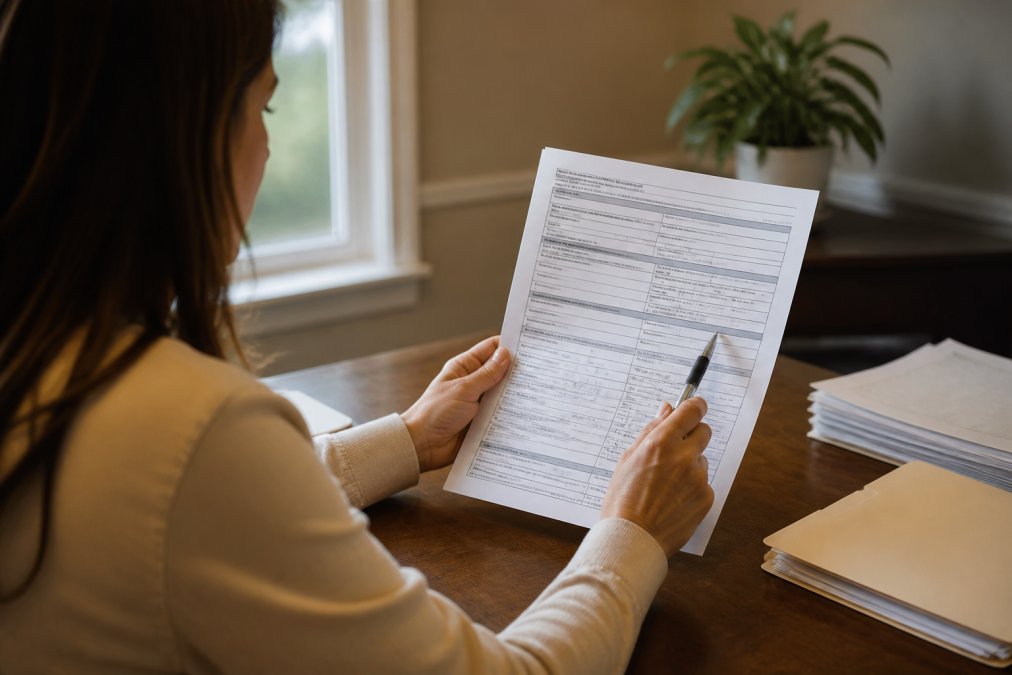
The front page of your accident report contains foundational information about the crash, identifying all parties involved, their contact information, vehicle details, and insurance information.
Identifying Involved Parties and Contact Information
The top portion lists every person involved in the accident: drivers, passengers, and sometimes pedestrians or cyclists. Each entry includes name, date of birth, driver’s license number, address, and phone number. Pay close attention to how many parties are listed, a discrepancy could indicate an error on the report. Verify that contact information is correct, as you may need to reach other involved parties for insurance purposes or if you’re disputing fault.
Vehicle Identification and Damage Information
The report documents each vehicle involved, including the vehicle identification number (VIN), license plate, year, make, model, and color. It also describes damage severity: minor, moderate, severe, or total loss. The damage description matters because insurance adjusters use it to assess claim value. If your vehicle sustained significant damage but the report lists it as “minor,” this discrepancy could affect your claim settlement. Confirm the VIN matches your vehicle’s actual VIN, as errors here could create issues with insurance processing.
Interpreting Accident Report Fault Codes
Every accident report includes codes that the investigating officer used to document the crash. These codes translate observations into standardized information that insurance companies, lawyers, and courts can interpret consistently.
Decoding Crash Report Codes
Georgia accident reports use contributing factor codes, which identify what caused the accident. Common codes include “failure to maintain lane,” “following too closely,” “improper speed,” “failure to yield right of way,” and “distracted driving (georgia.gov).” The investigating officer selects codes based on observations at the scene and statements from involved parties. These codes don’t determine legal liability, that’s a matter for insurance adjusters and courts, but they document the officer’s professional assessment of what factors led to the crash.
To decode your specific codes, consult the official code guide used by your local police department. If you believe a code is inaccurate, that’s grounds for requesting a correction.
Contributing Factors and Citations
The contributing factors section lists what the investigating officer determined caused the accident. This is separate from citations issued. An officer can cite one driver for a traffic violation without assigning them sole fault, or determine that a driver’s actions contributed to the crash without issuing a citation. A citation strengthens an insurance company’s case that a driver was at fault, but its absence doesn’t mean the driver wasn’t at fault.
Reading the Crash Narrative and Accident Diagram
The narrative section is the investigating officer’s written account of the accident, describing what happened, in what sequence, and based on what evidence or statements. This is the most detailed part of the report and often the most important for understanding the officer’s conclusions about fault.
The Role of the Investigating Officer
The investigating officer is a trained law enforcement professional tasked with documenting the facts of the accident objectively. They interview involved parties, examine the scene, photograph damage and road conditions, and note evidence like skid marks, traffic signals, or weather conditions. However, the officer’s determination is not binding in court or for insurance purposes. Insurance companies conduct their own investigations and may reach different conclusions. If you believe the narrative contains inaccuracies, misquoted statements, overlooked evidence, or incorrect descriptions, you have grounds to request a correction.
Request a copy of your free accident report →
Using the Accident Diagram to Understand Point of Impact
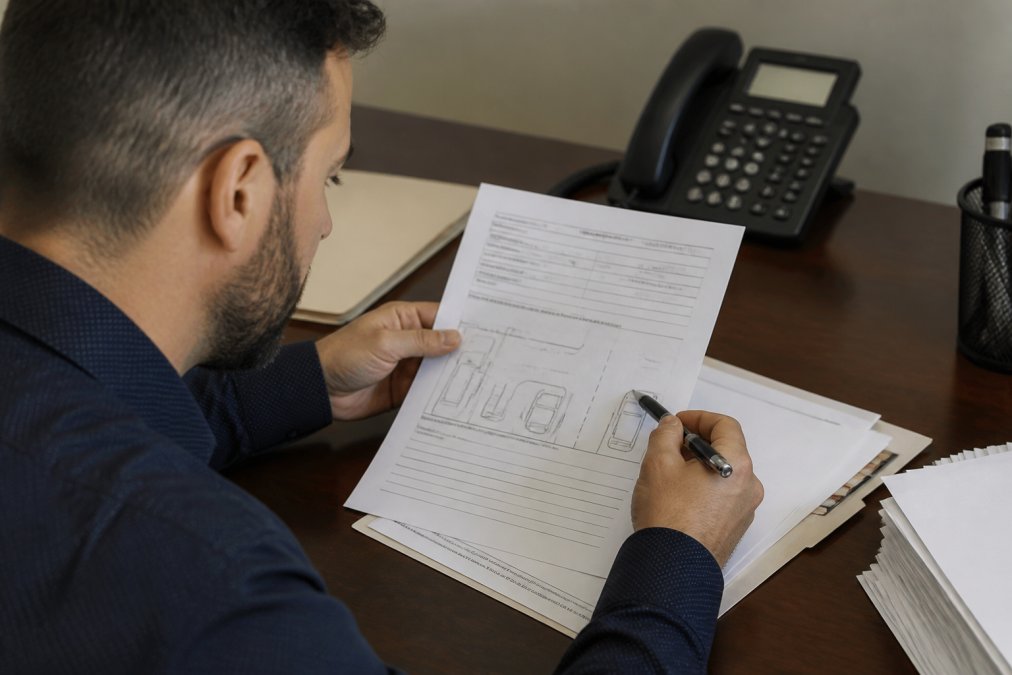
The accident diagram is a visual representation of the crash scene, showing the roadway, vehicle positions before and after impact, point of impact, traffic control devices, and sometimes weather or lighting conditions. The point of impact indicates where vehicles made contact and can reveal which driver had the right of way or who failed to yield. Study the diagram carefully and compare it to your recollection. If it shows vehicle positions or impact points that don’t match your memory, that’s a potential error.
How Long Does It Take to Get a Police Report in Georgia
Most departments in Georgia complete reports within 7-10 business days of the accident (georgia.gov). However, some departments take longer, particularly if the accident involved serious injuries, fatalities, or complex circumstances requiring additional investigation. Accidents involving hit-and-runs or serious injury may take weeks or months before the report is finalized.
When you request your report, ask the department for an estimated completion date and follow up if you don’t receive it by that date. Georgia Accident Report submits requests immediately and follows up with departments to ensure timely processing.
What to Do If Your Accident Report Is Wrong
If you receive your report and find errors, inaccuracies, or omissions, you have the right to request corrections. Common errors include misspelled names, incorrect vehicle information, inaccurate damage descriptions, wrong codes, misquoted statements, or incorrect descriptions of the accident scene.
Start by contacting the investigating officer or the records department at the police agency that issued the report. Explain what information is incorrect and provide supporting evidence, such as photos of your vehicle, witness statements, or documentation proving you had a green light. If the department denies your correction request or doesn’t respond within a reasonable timeframe, you may need legal assistance to challenge the report’s accuracy.
Using Your Report for Insurance and Legal Purposes
Your accident report is a critical document for both insurance claims and potential legal action. Insurance adjusters use it to investigate your claim and determine fault. Attorneys use it to build cases for injury claims or disputes over liability.
When submitting your report to your insurance company, provide the complete, official document. If you’re pursuing an injury claim, your attorney will review the report carefully to identify evidence supporting your position. The officer’s narrative, accident diagram, and any citations issued all contribute to establishing fault. Understand that the police report is not the final word on fault, insurance companies or courts may reach different conclusions based on additional investigation or evidence.
Getting your official accident report is the first step toward resolving your claim and moving forward. Georgia Accident Report handles the retrieval process at no cost, ensuring you have the official documentation you need for insurance and legal purposes. Once you have your report, our team of car accident and injury lawyers is ready to review it, explain what it means for your case, and guide you through next steps. Request your free report today and connect with legal professionals who understand how to use your documentation to protect your interests.
|
Element |
Purpose |
Location on Report |
|---|---|---|
|
Driver Information |
Identifies all parties involved |
Front page, top section |
|
Vehicle Details |
Documents vehicles in accident |
Front page, vehicle section |
|
Contributing Factor Codes |
Indicates officer’s assessment of cause |
Middle section |
|
Citations Issued |
Shows traffic violations cited |
Violations section |
|
Accident Narrative |
Officer’s written account of crash |
Main body of report |
|
Accident Diagram |
Visual representation of scene |
Separate diagram page |
|
Point of Impact |
Shows where vehicles made contact |
On accident diagram |
|
Investigating Officer |
Documents officer’s name and badge |
Report header |
Frequently Asked Questions
How do I know if the fault determination in my accident report is accurate?
The investigating officer's opinion on fault appears in the narrative section and contributing factors. Review the accident diagram, point of impact, and cited violations. If the officer's conclusion contradicts the facts you witnessed, you can dispute it. Compare the report against witness statements, photos, and traffic control devices present at the scene. If you disagree with the fault assessment, file a correction request with the police department within a reasonable timeframe.
What does it mean if my accident report shows a citation issued?
A citation issued indicates the investigating officer determined a traffic violation occurred. This appears in the contributing factors section and typically supports one driver's liability. Citations for violations like running a red light, speeding, or improper lane changes strengthen fault determination. However, a citation alone doesn't automatically make you liable in insurance or legal proceedings—your insurer and any court will review the entire report, including the narrative and diagram.
Can I use my police accident report to file an insurance claim?
Yes. The official police accident report is standard documentation for insurance claims. It provides the official record of what occurred, identifies involved parties, and includes the investigating officer's assessment. Your insurance company uses this to determine coverage and liability. The report includes vehicle identification numbers, insurance carrier information, and bodily injury or property damage details needed for claims processing. Obtain your official report through your local police department or a retrieval service to ensure your insurer receives the correct documentation.
How do I read the overlay code sheets on a Georgia accident report?
Overlay code sheets decode the abbreviations and codes used throughout the report. These sheets explain contributing factors codes, traffic control device codes, and road condition codes. Locate the legend or code reference section—usually on the back pages or as a separate document. Match the codes listed in the report's contributing factors and environmental conditions sections to their meanings on the overlay. This helps you understand why the investigating officer cited specific violations and what road and weather conditions were present during the crash.
Request a copy of your free accident report:
"*" indicates required fields