

How to Verify Accident Fault: A Complete Guide
August 15, 2026 | | Blog
Table of Contents
- Understanding Accident Fault Determination
- How to Get a Police Report for an Accident
- Comparative Negligence Laws and Shared Fault
- Building Your Car Accident Evidence Checklist
- What to Do if You Disagree With the Fault Determination
- Verifying Accident Fault for Insurance Claims
- Conclusion
Last Updated: August 15, 2026
Understanding Accident Fault Determination
To get your FREE accident visit georgiaaccidentreport.com and fill out the yellow form.
When you’re involved in a car accident, determining who caused it isn’t always straightforward. Accident fault refers to legal responsibility for the collision based on which driver’s actions or negligence led to the crash. This determination affects insurance claims, liability coverage, and potential legal action. At Georgia Accident Report, we help drivers understand this critical process and obtain the official documentation needed to establish fault accurately.
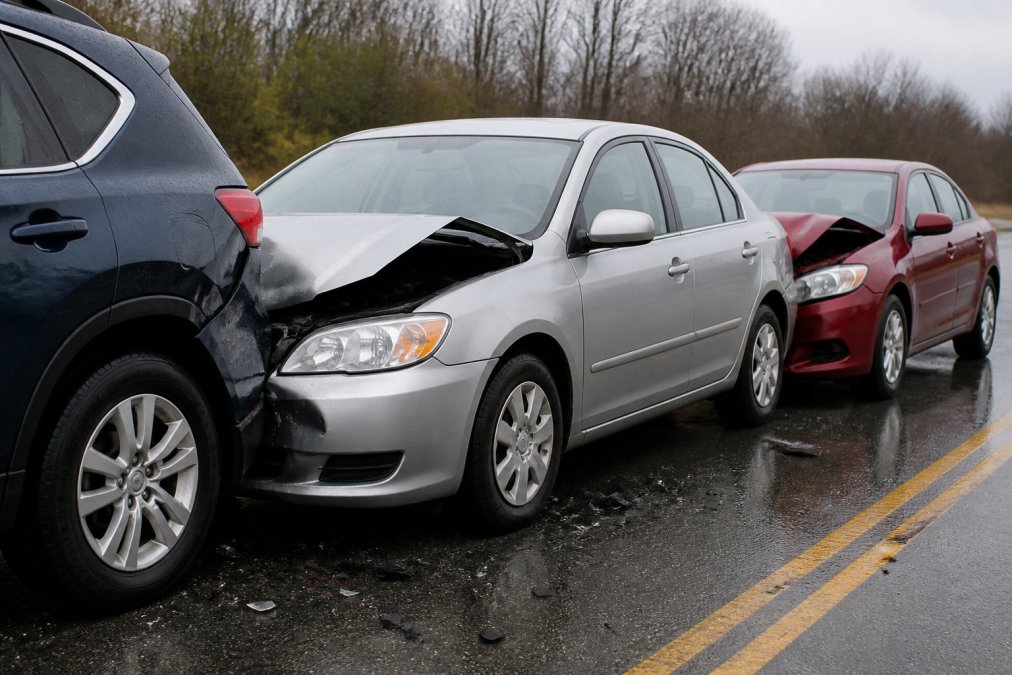
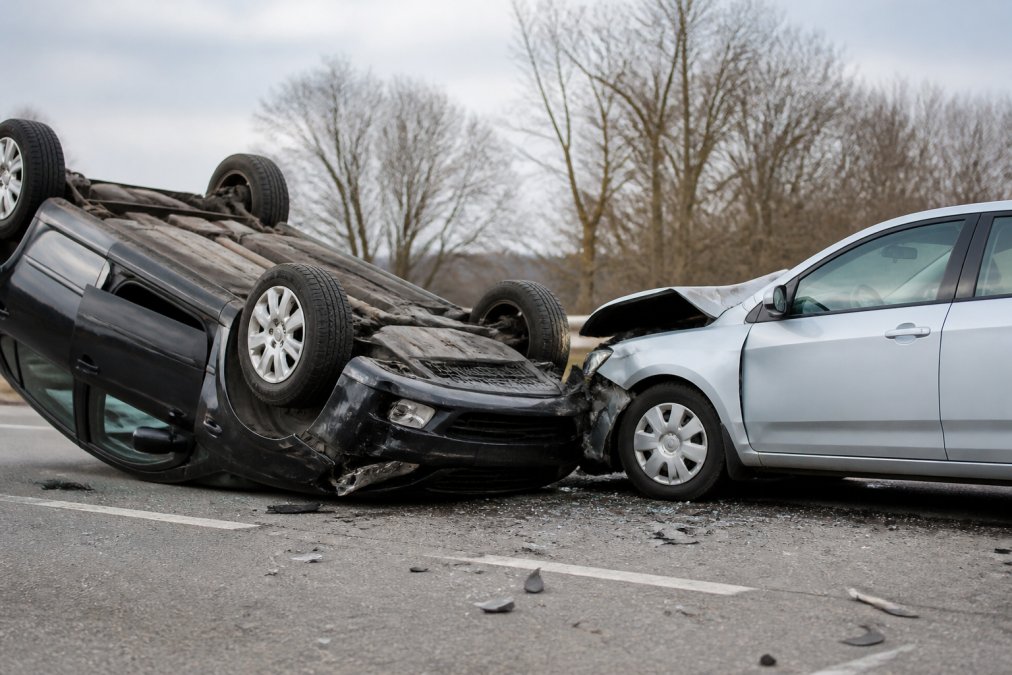
Professional illustration showing Driver for verify accident fault
Fault determination involves examining traffic laws violated, driver behavior, vehicle positioning, witness statements, and physical evidence from the scene. Insurance companies and courts use this information to assign responsibility. In some cases, fault is clear-cut; in others, both drivers share responsibility under comparative negligence.
How to Get a Police Report for an Accident
The police report is the foundation for verifying accident fault. This official document contains the officer’s observations, statements from involved parties and witnesses, scene diagrams, and preliminary fault determination. Most insurance companies won’t process claims without it.
Where to Request Your Report
In Georgia, the responding agency depends on accident location:
- City police departments handle accidents within city limits. Contact the non-emergency dispatch line or records division.
- County sheriff’s offices handle accidents in unincorporated areas. Call the sheriff’s records bureau.
- Georgia State Patrol investigates accidents on state highways and interstates. Request reports through their online Records Request System or by contacting the nearest post.
Timeline and Fees
Police reports typically take 5-14 business days to become available. Some departments post reports online within 48 hours; others require in-person or mailed requests.
Fees vary by jurisdiction:
- Most city and county departments charge $5-$15 per copy.
- State Patrol charges approximately $10-$20.
- Expedited requests may cost an additional $5-$10.
How to Request the Report
Information you’ll need:
- Accident date and time
- Accident location (street address or intersection)
- Your name and driver’s license number
- Police report number (if you received a case number at the scene)
Request methods:
- Online portals: Many larger departments offer online request systems. Online requests typically take 7-10 business days.
- Phone: Call the records division directly with your information ready.
- In-person: Visit the records window with photo ID and payment. This is fastest, you may receive the report same-day.
- Mail: Send a written request with information and payment. Takes 2-3 weeks.
- Third-party services: Accident report retrieval services obtain reports for a fee (typically $25-$50 above the agency’s fee).
Common Obstacles and How to Overcome Them
The report isn’t ready yet. If the accident is very recent, the report may still be under investigation. Call back after 5-7 days and ask for an estimated completion date.
You don’t know which agency responded. Check your insurance claim documents, the adjuster often notes the responding agency. If not, call the non-emergency line for the city or county where the accident occurred.
The department has no record. Ask to speak with a supervisor and provide as much detail as possible about the date, time, and location.
Payment issues. Ask if you can pay online, by phone, or when you pick up the report in person.
Reviewing Your Report for Accuracy
Once you receive the police report, verify that vehicle descriptions, driver information, and the officer’s narrative are accurate. Check that witness statements match your recollection and the fault assessment is supported by facts.
If you find errors, contact the issuing agency’s records division and explain the error in writing. Include supporting documentation (photos, witness statements, or other evidence). The agency will investigate and may issue a corrected report, typically within 2-4 weeks.
Comparative Negligence Laws and Shared Fault
Georgia operates under a comparative negligence system where both parties can share responsibility for an accident. Comparative negligence laws allow courts and insurance companies to assign a percentage of fault to each party based on their contribution to the collision. Georgia follows the “modified comparative negligence” rule: you can recover damages even if partially at fault, as long as you’re less than 50% responsible. If you’re 50% or more at fault, you cannot recover damages from the other driver.
Insurance adjusters evaluate fault percentages by examining traffic law violations, driving behavior, road and weather conditions, vehicle damage patterns, and witness testimony. A 60/40 fault split means one driver bears 60% responsibility and the other 40%. Insurance payouts reflect these percentages. If you’re 40% at fault and your damages total $10,000, you’d typically recover $6,000.
Understanding comparative negligence is critical when reviewing your police report. If the officer’s fault assessment seems incorrect, you have grounds to challenge it with your insurance company or in court.
Building Your Car Accident Evidence Checklist
The police report provides an official starting point, but your own evidence strengthens your position when verifying accident fault.
Driver documenting accident scene with smartphone camera, capturing vehicle damage and road conditions, bright daylight
Gather evidence at the scene if you’re able to safely do so:
- Photos and video: Capture all vehicle damage from multiple angles. Document the accident scene, road conditions, traffic signals, and any visible hazards. Photos of skid marks, debris, and final vehicle positions are particularly valuable.
- Witness information: Collect names, phone numbers, and email addresses from anyone who saw the accident. Get their account of what happened while memories are fresh.
- Your own account: Write down your recollection of events immediately after the accident, including what you were doing, what the other driver did, and road conditions. This contemporaneous record is stronger than trying to remember details weeks later.
- Medical records: If injured, document all medical treatment to establish that injuries occurred.
- Vehicle repair estimates: Obtain repair quotes from multiple mechanics to help establish accident severity.
- Traffic camera footage: Request footage from the city or county if the accident occurred near a traffic signal or major intersection.
- Insurance communications: Keep all correspondence with your insurance company, including claim numbers, adjuster names, and conversation dates.
This evidence forms your car accident evidence checklist, a complete record supporting your fault claim.
What to Do if You Disagree With the Fault Determination
If the police report assigns fault incorrectly or your insurance company determines fault against your interests, you have multiple avenues to challenge the decision.
Step 1: Request a Detailed Fault Explanation (Within 5 Days)
Contact your insurance adjuster immediately after receiving the fault determination and request a written explanation. Ask for the specific evidence used to assign fault percentages, which traffic laws or driving behaviors influenced the determination, and how witness statements were weighted against physical evidence.
Why timing matters: Insurance companies are more likely to reconsider early in the claims process. Request your explanation within 5 days of receiving the fault determination.
Step 2: Submit a Rebuttal With New Evidence (Within 10-14 Days)
If the adjuster’s explanation reveals gaps in their investigation, submit a formal rebuttal including:
- A cover letter stating your position clearly
- Photos or video from the scene showing traffic signals, road conditions, or vehicle damage patterns
- Witness statements, particularly from neutral third parties
- Traffic camera footage if available
- Your own written account of the accident, signed and dated
- Expert analysis if applicable
Send your rebuttal via certified mail or email (with read receipt) to your adjuster and claims supervisor. Keep copies of everything.
Step 3: File a Formal Appeal (If Initial Rebuttal Fails)
Most insurance policies include an appeal process. Request the appeal procedure in writing and submit a written appeal letter that includes your policy number, claim number, a clear statement of disagreement, all supporting evidence (organized and numbered), and a request for independent review.
Send the appeal via certified mail to the appeals department. Insurance companies typically have 30-45 days to respond. An independent adjuster will review your case and issue a written decision.
Step 4: Consider Arbitration or Mediation
If both insurance companies disagree on fault, the claims process may stall. Many policies include arbitration or mediation clauses.
Arbitration: A neutral third party reviews evidence from both insurers and makes a binding decision on fault. This typically resolves in 2-4 weeks.
Mediation: A mediator helps both insurers negotiate a settlement on fault. This is non-binding, either party can reject the recommendation and proceed to litigation.
Arbitration and mediation fees are typically split between insurers, so you won’t pay out-of-pocket.
Step 5: Hire an Attorney (For Significant Disputes)
If the disputed fault affects substantial damages (typically $5,000 or more) or if the insurance company refuses to budge after appeal, consider hiring a car accident attorney.
Most car accident attorneys work on contingency, they’re paid only if you recover damages. Typical contingency fees are 33-40% of your recovery. Hire an attorney if the other driver’s insurance company is clearly wrong but won’t reconsider, you have significant injuries or property damage, or the fault determination will affect your insurance rates.
Document Everything Throughout the Process
Keep a timeline of all communications: date and time of each call or email, name and title of the person you spoke with, what was discussed, what you submitted and when, and any promises made. This record protects you if you need to escalate to an attorney.
Verifying Accident Fault for Insurance Claims
Insurance claims hinge on fault determination. Once fault is established, the at-fault driver’s insurance covers damages for the other party.
When you file a claim, provide your insurance company with the police report immediately. Include all supporting evidence: photos, witness statements, medical records, and repair estimates. The insurance adjuster will contact the other driver and their insurer. Both parties’ insurance companies may exchange information and discuss fault. If they agree, the process moves forward smoothly. If they disagree, the claims process can stall and may require arbitration.
Document every communication with your insurance company. Note dates, times, names of adjusters, and what was discussed. This record protects you if the claim process drags on or if you need to escalate to an attorney.
For serious accidents with significant injuries or property damage, having professional documentation of fault becomes critical. Georgia Accident Report ensures you have the official police report plus access to legal counsel who can navigate complex fault disputes and protect your interests throughout the claims process.
Frequently Asked Questions
Does a police report definitively prove fault in an accident?
A police report documents what officers observed at the scene and may include their assessment, but it does not definitively establish legal fault. Insurance companies and courts use the report as one piece of evidence alongside witness statements, physical evidence, and traffic laws. Your insurer makes their own fault determination, and you can dispute it if you disagree. The report is valuable documentation, but fault ultimately depends on all available evidence and applicable law.
How do I verify accident fault if the police report seems incorrect?
Request a copy of the official report first to confirm what it says. If you believe the officer's assessment is wrong, gather additional evidence: photos of damage and road conditions, witness contact information, traffic camera footage, and your own account of events. Contact your insurance company with this evidence to request a re-evaluation. You can also file a correction request with the police department if factual errors exist in the report itself, though this differs from disputing the fault determination.
What is comparative negligence, and how does it affect fault determination?
Comparative negligence is a legal principle that allows fault to be shared between multiple parties based on their degree of responsibility. In Georgia, you can recover damages even if partially at fault, as long as you are not more than 50% responsible. Your recovery amount is reduced by your percentage of fault. For example, if you're 20% at fault, you can recover 80% of damages. Understanding this principle is crucial when reviewing accident reports and insurance determinations.
What evidence should I collect at an accident scene to verify fault later?
Document the scene immediately: take photos of all vehicle damage, road conditions, traffic signs, and weather. Get names and contact information from all drivers and witnesses. Note the exact location, date, and time. If police respond, get the officer's name and report number. Preserve your vehicle in its damaged state until the insurance company inspects it. Keep medical records if injured. This evidence helps verify fault when reviewing the police report and supporting your insurance claim.
How long does it take to get an official police report after an accident?
Police reports are typically available within 5 to 10 business days, though timing varies by department and case complexity. Some departments offer expedited requests for an additional fee. You can request your report directly from the police department or through services that handle retrieval on your behalf at no cost. Contact the department where the accident was reported for their specific timeline and submission process.
Can I dispute the insurance company's fault determination?
Yes. If you disagree with your insurer's fault assessment, request a detailed explanation of their determination. Provide additional evidence supporting your position, such as witness statements, photos, or expert analysis. File a formal appeal with your insurance company. If you remain unsatisfied, you can file a complaint with the Georgia Department of Insurance or consult with a car accident attorney who can review the determination and advise on next steps.
Request a copy of your free accident report:
"*" indicates required fields