


Georgia Car Accident Documentation Guide
August 19, 2026 | | Blog
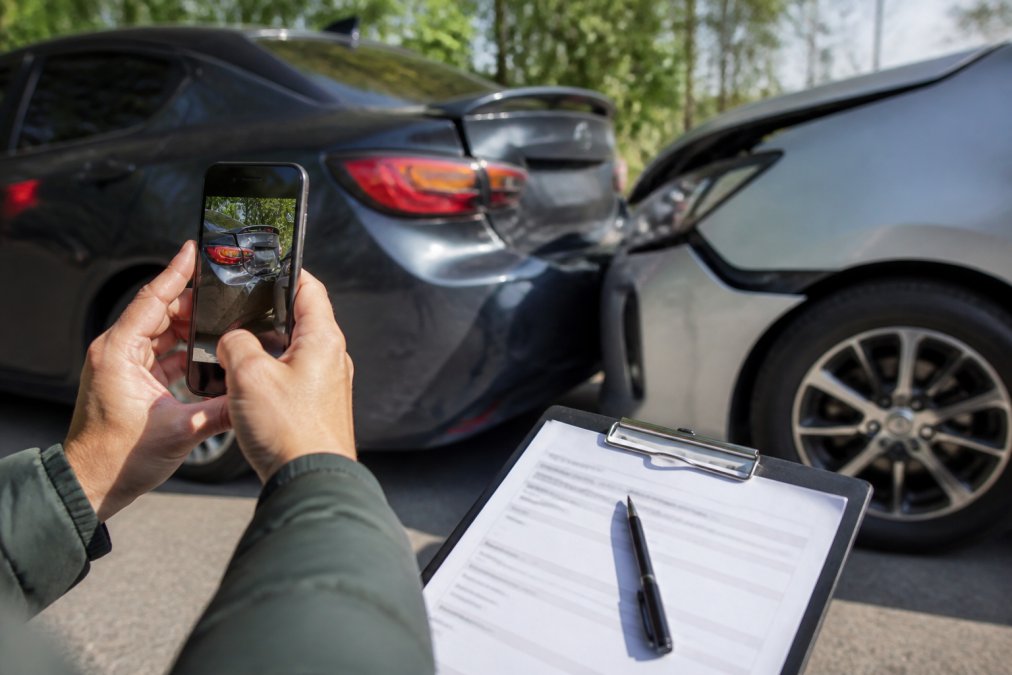
Table of Contents
- Steps to Take Immediately After a Collision
- What to Do After a Car Accident Checklist
- Georgia Car Accident Reporting Requirements
- How to Get a Police Report in Georgia
- How to Read a Georgia Uniform Motor Vehicle Accident Report
- Disputing Errors in Your Accident Report
- Using Your Car Accident Documentation for Insurance Claims
- Conclusion
Last Updated: August 18, 2026
Steps to Take Immediately After a Collision
The first moments after a car accident are critical. Ensure everyone’s safety by moving to a secure location if possible and calling emergency services if anyone is injured.
To get your FREE accident report visit georgiaaccidentreport.com and fill out the yellow form.
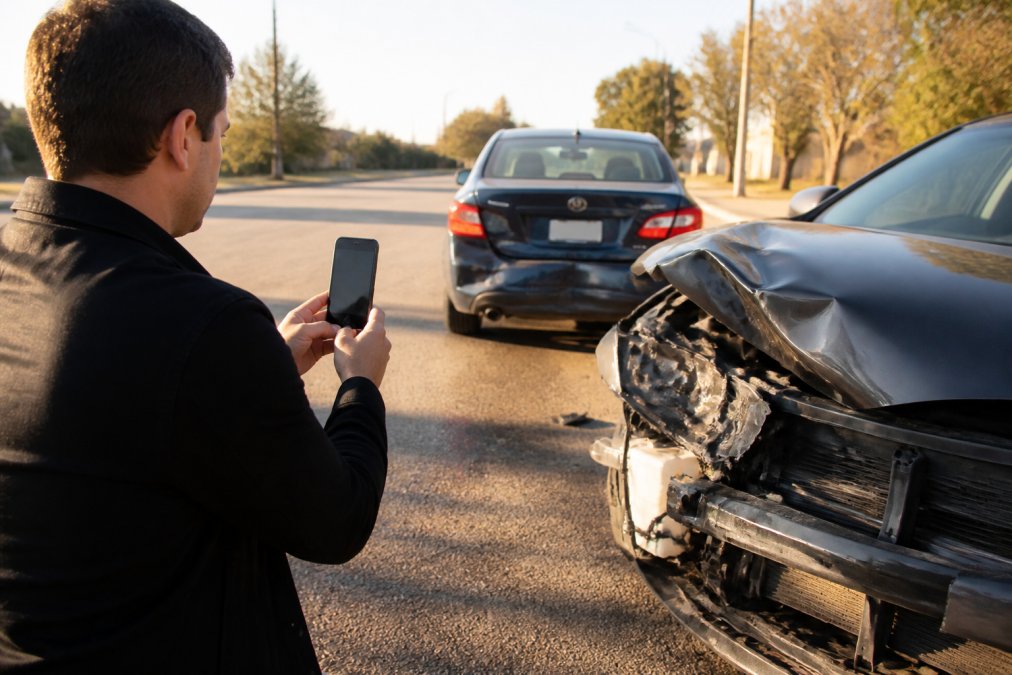
Start documenting immediately. Take photos and video of the accident scene from multiple angles, capturing vehicle damage, road conditions, traffic signals, and street signs. Photograph the license plates, vehicle identification numbers (VINs), and insurance information of all involved vehicles.
Exchange information with other drivers at the scene: full names, phone numbers, addresses, driver’s license numbers, license plate numbers, vehicle make and model, and insurance policy information. Write down the name and badge number of any police officer who responds. If witnesses are present, get their contact information as well.
Never admit fault or apologize for the accident, even if you believe you caused it. Statements made at the scene can be used against you later. Stick to factual observations: “The traffic light was red” rather than “I didn’t see the other car.”
If police arrive, provide your information and answer their questions truthfully. Request the officer’s name, badge number, and the report number they assign. Ask when and where you can obtain a copy of the official police report.
What to Do After a Car Accident Checklist
Creating a systematic checklist ensures you capture every essential element of car accident documentation.
Immediate actions (within minutes of the accident):
- Call 911 if anyone is injured or property damage is significant
- Move vehicles to a safe location if possible
- Turn on hazard lights
- Take photos and video of the scene, vehicles, and damage
- Document road conditions, weather, and traffic signals
- Exchange information with all drivers involved
- Get witness contact information
- Request police officer’s name and badge number
- Note the time, date, and exact location of the accident
Within 24 hours:
- Write down your account of what happened while details are fresh
- Seek medical attention if you have any injuries, even minor ones
- Contact your insurance company and report the accident
- Gather medical records and receipts for any treatment
- Document all vehicle repair estimates
- Collect contact information for any witnesses you may have missed
Within one week:
- Request your official accident report from the police department
- Review the report carefully for accuracy
- Obtain medical records from any healthcare providers you visited
- Start a file with all accident-related documents
- Photograph any visible injuries with timestamps
Ongoing documentation:
- Keep all medical bills and treatment records
- Save all repair invoices and estimates
- Maintain a log of any ongoing physical symptoms
- Document lost wages if the accident prevented you from working
- Record all communications with insurance companies and other parties
Georgia Car Accident Reporting Requirements
Georgia law requires that certain accidents be reported to law enforcement. Under O.C.G.A. § 40-6-273, drivers involved in accidents resulting in injury, death, or property damage exceeding a specific threshold must report the accident to police.
The accident report creates an official record that insurance companies use to process claims and determine liability. It documents the parties involved, vehicle information, insurance details, and the officer’s assessment of contributing factors.
Reporting must occur as soon as practicable but no later than the time required by state law. If you’re unable to report immediately due to injuries, you have a reasonable timeframe to file a written report with the police department serving the area where the accident occurred.
When you use Georgia Accident Report’s free service, the team handles the complexity of contacting the appropriate police department and retrieving your official documentation.
How to Get a Police Report in Georgia
Obtaining your official accident report requires knowing which agency has jurisdiction. If a city police department was present, they typically maintain the report. If the accident occurred on a state highway, the Georgia State Patrol likely filed the report. County accidents may be handled by the sheriff’s office.
Contact the appropriate agency’s records or accident report division. You’ll need to provide the date, time, and location of the accident, along with the names of the drivers involved. Processing times vary by jurisdiction, and some departments charge a small fee for copies.
Digital delivery has become common, with many departments offering PDF copies via email. Confirm whether the department can email your report or if you need to pick it up in person.
Georgia Accident Report simplifies this process by handling department contacts and retrieval on your behalf. The service obtains your official report and connects you with car accident and injury lawyers who can review it and advise on next steps at no cost to you.
How to Read a Georgia Uniform Motor Vehicle Accident Report
The Georgia Uniform Motor Vehicle Accident Report, also known as the GDOT-523 form, contains standardized information collected by law enforcement at accident scenes.
The report begins with basic identifying information: the date, time, and exact location of the accident. It includes the names, addresses, driver’s license numbers, and license plate numbers of all drivers involved, along with insurance policy information and vehicle damage details.
The narrative section describes what the officer observed and what drivers reported about how the accident occurred. This section documents the officer’s assessment of contributing factors, such as speeding, failure to yield, distracted driving, or weather conditions.
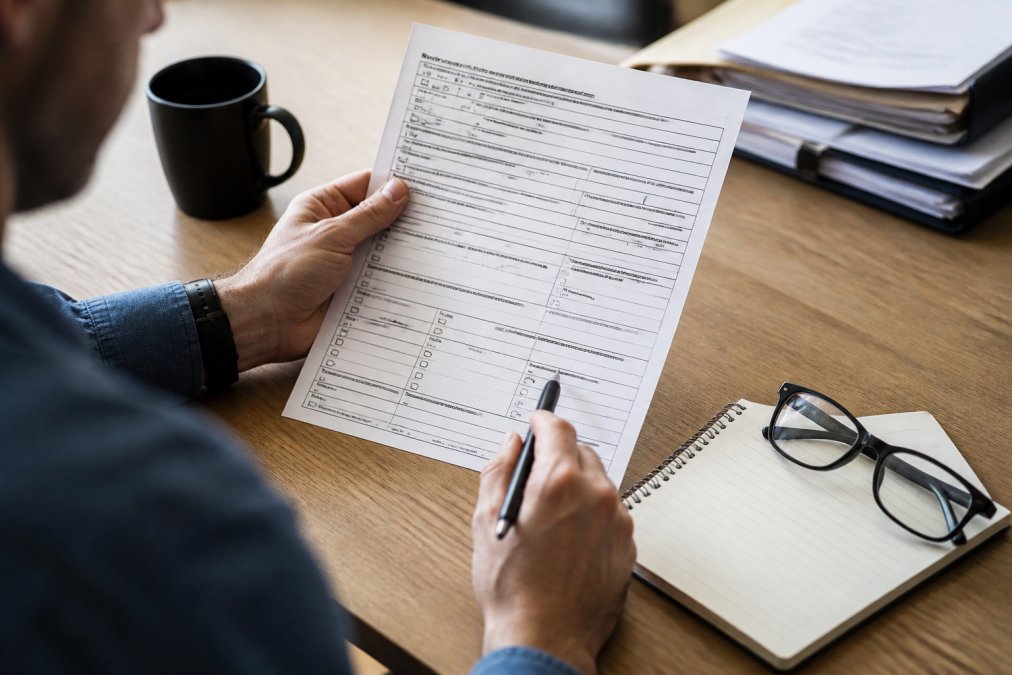
The report includes specific codes that categorize the type of accident and contributing factors. Vehicle damage codes indicate the severity and location of damage to each vehicle. Contributing factor codes explain what the officer determined led to the accident. Driver condition codes note whether alcohol, drugs, or physical impairment was suspected.
Request a copy of your free accident report →
The diagram section allows the officer to sketch the accident scene, showing vehicle positions, road layout, and traffic signal status. Pay close attention to any statements attributed to you in the report. If your statement is inaccurate, you have the right to dispute it.
Disputing Errors in Your Accident Report
Inaccuracies in your official accident report can affect insurance claim outcomes and liability determination. Common errors include incorrect driver information, wrong vehicle descriptions, inaccurate damage descriptions, or mischaracterized contributing factors.
Start by requesting a copy of the complete report and reviewing every section carefully against your own documentation. Note specific errors with page numbers and field descriptions.
Contact the law enforcement agency that filed the report and explain the inaccuracy. Many departments will correct obvious errors like misspelled names or wrong vehicle descriptions without formal procedures. Provide documentation supporting your correction, such as your driver’s license for name verification.
If the agency refuses to correct the error or if the inaccuracy involves the officer’s assessment of contributing factors, you can file a formal dispute by submitting a written statement to the police department’s supervisor or records bureau, explaining the error and providing supporting evidence.
For significant disputes about liability or contributing factors, consider consulting with a car accident and injury lawyer. Digital evidence becomes particularly valuable when disputing accident reports. Photos you took at the scene, video recordings, dashcam footage, or witness statements can demonstrate that the officer’s assessment was incorrect.
The correction process can take weeks or months, so initiate it promptly after identifying errors.
Using Your Car Accident Documentation for Insurance Claims
Your carefully gathered car accident documentation transforms into the foundation of your insurance claim. Insurance adjusters review the official police report first, using it to understand the accident’s circumstances and preliminary liability assessment.
Provide your insurance company with copies of all documentation you’ve gathered: photos of vehicle damage, the accident scene, road conditions, and traffic signals. Include the official police report, medical records if you were injured, repair estimates, and receipts.
Your written account of the accident should match the facts documented in the official report while providing additional detail about your experience. Describe what you saw, heard, and felt in the moments before, during, and after the collision.
Medical documentation becomes critical if you sustained injuries. Insurance companies require medical records, treatment receipts, and provider statements to process injury claims. Maintain detailed records of all healthcare visits, medications prescribed, and ongoing treatment.
Lost wages documentation supports claims for income lost due to accident-related injuries or recovery time. Obtain written verification from your employer stating the dates you missed work and the wages you lost.
Georgia Accident Report’s free service ensures you have the official police report needed to file your insurance claim promptly.
Conclusion
Navigating car accident documentation requires systematic attention to detail and understanding of Georgia’s reporting requirements. From the moments immediately following a collision through obtaining and reviewing your official accident report, each step builds the foundation for successful insurance claim processing and, if necessary, legal protection.
Georgia Accident Report removes the complexity by obtaining your official police report at no cost and connecting you with experienced car accident and injury lawyers ready to review your documentation and advise on next steps. Request your free accident report today and take the first step toward resolving your accident claim with confidence.
Frequently Asked Questions
What are the reporting requirements for car accidents in Georgia?
Georgia law requires drivers involved in accidents that result in injury, death, or property damage to report the collision. Under O.C.G.A. § 40-6-273, you must provide your driver's license number, vehicle information, and insurance policy details to other parties at the scene. If law enforcement responds, they will complete an official Uniform Motor Vehicle Accident Report (GDOT-523). You should also notify your insurance company as soon as possible to begin the claim process.
How long do I have to file a police report after a car accident?
You should report the accident to law enforcement at the scene if possible. If police do not respond to the scene, you can file a report at the local police department or sheriff's office. There is no specific statutory deadline for filing, but reporting promptly ensures accurate documentation while details are fresh. For insurance claims, contact your insurer immediately—most policies require notification within a specific timeframe outlined in your coverage agreement.
How do I obtain an official police accident report in Georgia?
You can request your accident report from the law enforcement agency that responded to the scene. Contact the police department or sheriff's office for the jurisdiction where the accident occurred. You will need to provide basic information such as the date, location, and names of drivers involved. Some departments offer online request systems or allow requests by phone or mail. Official reports are typically available within 5-10 business days, though this varies by agency.
What information should I document at the scene of an accident?
Collect the other driver's name, phone number, address, driver's license number, and license plate number. Record their insurance company name and policy number. Take photos of vehicle damage, accident scene, road conditions, and any visible injuries. Note the exact location, date, and time of the accident. If witnesses are present, get their names and contact information. Document contributing factors such as weather, traffic signals, or road hazards. This information supports your insurance claim and helps establish liability.
Why is an accident report important for insurance claims?
An official accident report provides an independent, documented account of the collision from law enforcement. Insurance companies use this report to verify the accident occurred, determine liability, assess property damage, and process your claim. The report includes officer observations, witness statements, contributing factors, and citations issued. Without an official report, your claim relies solely on your account, which can delay processing or result in denial if there is disagreement about fault.
What does the Georgia Uniform Motor Vehicle Accident Report include?
The GDOT-523 form contains driver information, vehicle details, insurance information, accident location, date and time, contributing factors, and witness statements. It includes codes for road conditions, traffic control devices, and types of injuries. The report documents property damage, bodily injury claims, and whether a citation was issued. Understanding these sections helps you verify accuracy and identify any discrepancies that need correction with law enforcement.
Request a copy of your free accident report:
"*" indicates required fields