


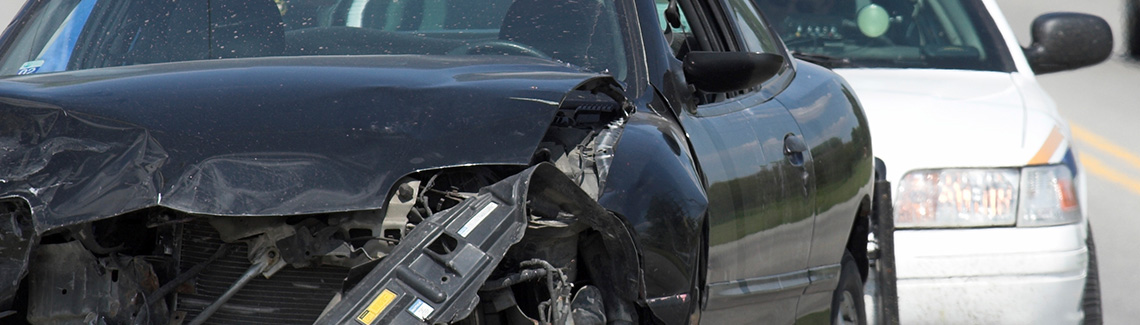
Handle a Minor Georgia Accident: Essential Steps
August 18, 2026 | | Blog
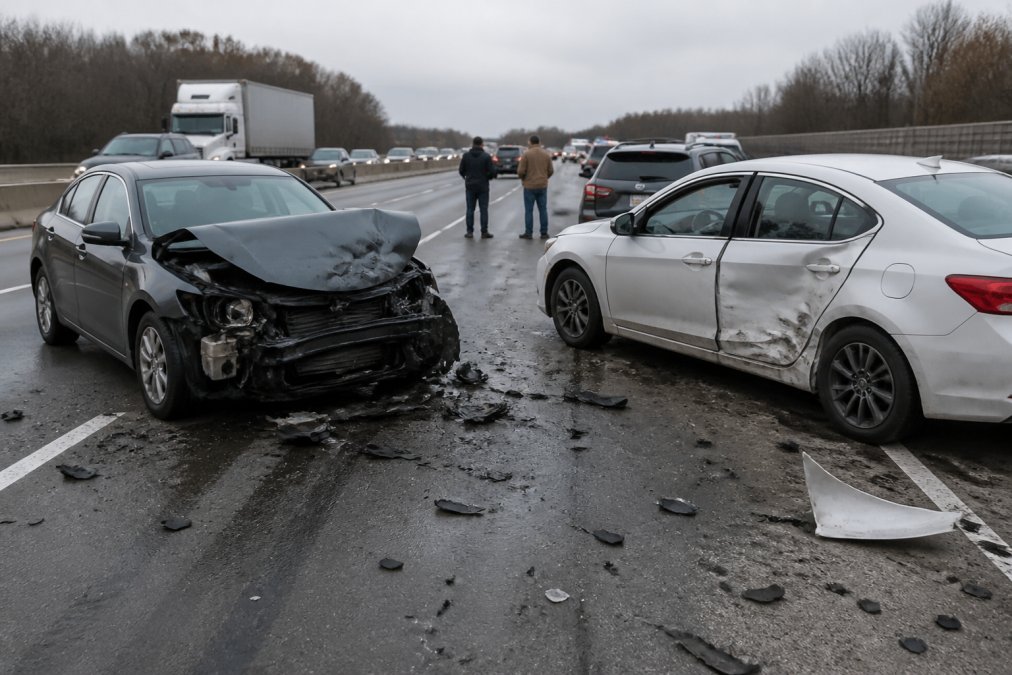
Table of Contents
- Immediate Steps After a Minor Georgia Accident
- When to Call Police and Georgia Accident Reporting Requirements
- Documenting the Accident Scene and Collecting Evidence
- How to Get a Police Accident Report in Georgia
- Filing an Insurance Claim for Minor Damage
- Understanding Liability and Fault in Georgia Accidents
- What to Do If a Minor Is Involved in the Accident
- Recovery and Next Steps After a Minor Accident
Last Updated: August 17, 2026
Immediate Steps After a Minor Georgia Accident
The first few minutes after a minor Georgia accident set the tone for everything that follows. Your immediate actions determine whether you’ll have the documentation needed for insurance claims and whether you protect yourself legally.
To get your FREE ACCIDENT REPORT visit georgiaaccidentreport.com and fill out the yellow form.
Check for injuries first. If anyone is hurt, call 911 immediately. Even minor injuries can worsen, and a medical report creates an official record. If the scene feels unsafe, move to a safer location only if vehicles are drivable.
Turn on your hazard lights to alert other drivers and prevent additional collisions. Stay calm and courteous with the other driver, but don’t admit fault or apologize in ways that could be interpreted as admission of liability.
Exchange information with the other driver: name, phone number, address, driver’s license number, vehicle make and model, license plate number, and insurance company name and policy number. Write this down or take photos of their documents.
If there are witnesses, get their contact information. Witness statements often prove invaluable when insurance companies review the accident.
Take photos and video of the accident scene from multiple angles, including all vehicle damage, the accident location, road conditions, traffic signals, and any visible debris. These images become critical evidence you can’t recreate later.
When to Call Police and Georgia Accident Reporting Requirements
Call 911 if anyone is injured, if there’s significant property damage, if a vehicle is disabled and blocking traffic, or if you suspect the other driver is impaired. Georgia law requires reporting accidents to law enforcement when there’s injury or death, or when property damage exceeds a certain threshold. Even for minor accidents without injuries, calling police creates an official record that helps establish what happened.
When police arrive, provide a factual account of the accident based on what you directly observed. The police report becomes the official documentation, and insurance companies rely heavily on it to determine fault.
Request the police report number, the officer’s name and badge number, and information on how to obtain a copy. In Georgia, police accident reports are public records.
If police don’t respond to the scene, you can file a police report later at the local police department or sheriff’s office, though the report will be less detailed without the officer’s observations.
Documenting the Accident Scene and Collecting Evidence
Thorough documentation at the accident scene protects you later. The evidence you collect becomes the foundation for insurance claims and any legal action if needed.
Photograph everything systematically: wide shots of the overall location, close-ups of vehicle damage, the road surface, traffic signals, and debris. Take photos from multiple angles. Photograph the other vehicle’s license plate, VIN, insurance card, and driver’s license.
Document road conditions that may have contributed to the accident. If the road was wet, icy, or had potholes, photograph those. Note the exact location, date, time, weather conditions, and names and contact information of any witnesses. If a nearby business has security cameras, note the business name and location.
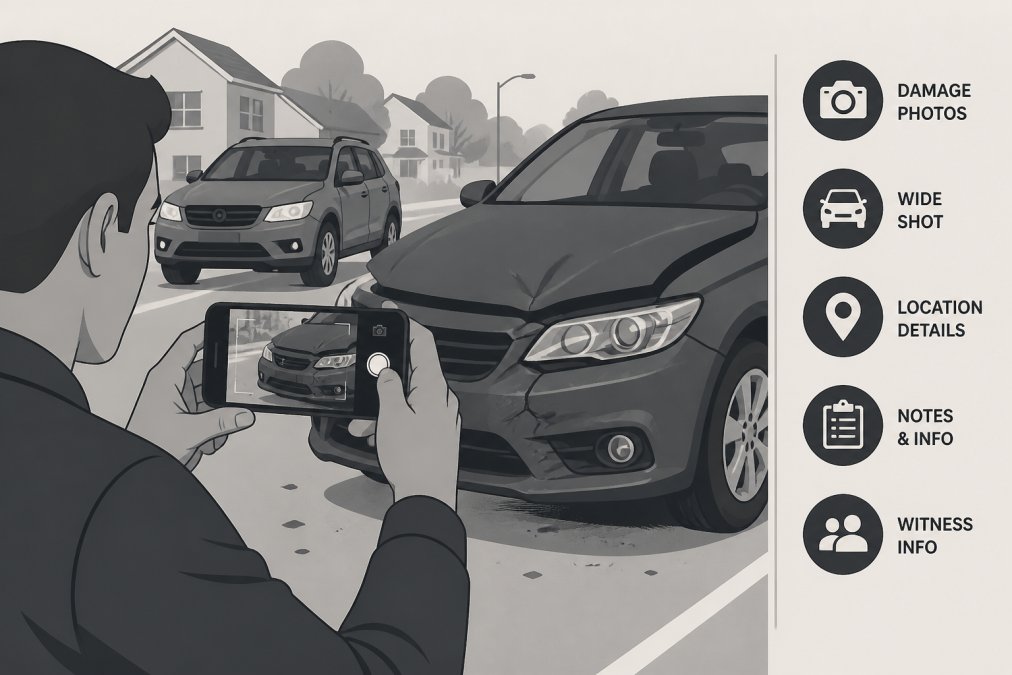
Digital Evidence Collection
Check your phone’s location history if enabled. Google Maps timeline can confirm your location at the time of the accident, corroborating your account.
Keep all text messages, emails, and calls with the other driver, witnesses, or police. Don’t delete anything, as these communications create a record of what was discussed and when.
If you recorded video at the scene, preserve it carefully. Upload it to cloud storage immediately so you don’t lose it if your phone is damaged. Email copies to yourself and your insurance company.
Create a written summary of the accident while details are fresh, including how it happened, what the other driver said, road and weather conditions, and any injuries or symptoms you experienced. This contemporaneous account carries weight because it was written before investigations began.
How to Get a Police Accident Report in Georgia
The police accident report is often the most important document you’ll need for insurance claims and establishing fault.
In Georgia, police accident reports are public records. Contact the police department or sheriff’s office that responded to your accident with the date, location, and ideally the report number. Many departments now allow online requests through their websites. There may be a small fee, typically between $5 and $15.
Processing times vary from a few days to several weeks. If you need the report urgently, ask about expedited processing.
Georgia Accident Report simplifies this process by handling the legwork of contacting police and state patrol agencies on your behalf. The service is free, with no cost to you and no obligation to pursue legal action.
Filing an Insurance Claim for Minor Damage
Contact your insurance company as soon as possible after the accident, ideally within 24 to 48 hours. Have your policy number ready and provide a clear account of what happened.
Provide all documentation you’ve collected: photos of the damage, the police report, the other driver’s information, witness contact information, and any medical records. The more complete your documentation, the faster your claim will be processed.
Request a copy of your free accident report →
The insurance adjuster will assess the damage, often requesting photos or an in-person inspection. For minor damage, many insurers allow you to submit photos through their app or website.
Keep copies of all communication with your insurance company, including the date, time, person’s name, and what was discussed.
Understanding Liability and Fault in Georgia Accidents
Georgia uses a modified comparative negligence system. You can recover damages even if you’re partially at fault, as long as you’re less than 50% responsible. If you’re 40% at fault and the other driver is 60% at fault, you can recover 60% of your damages. If you’re 50% or more at fault, you cannot recover anything.
Negligence is the failure to exercise reasonable care, resulting in injury or damage. Speeding, running a red light, distracted driving, and failing to yield are common examples that establish fault.
Provide all your documentation to your insurance company. Photos showing traffic signals, road markings, and vehicle positions help establish what happened. Witness statements are particularly powerful in proving fault.
If the other driver’s insurance company disputes fault or denies your claim, you can appeal their decision, file a complaint with the state insurance commissioner, or pursue legal action.
What to Do If a Minor Is Involved in the Accident
If your child was driving and caused the accident, you may face parental liability depending on the circumstances. Georgia holds parents financially responsible for property damage caused by their minor children in certain situations.
If your child was a passenger in your vehicle and was injured, document their injuries carefully. Monitor them closely in the days following the accident, as children sometimes don’t report pain immediately.
Report the accident to your insurance company regardless of whether a minor was involved.
Recovery and Next Steps After a Minor Accident
Monitor any physical symptoms closely in the days and weeks following the accident. Some injuries don’t manifest immediately. If you develop pain, headaches, or other symptoms, seek medical attention and document the visit.
Follow up on your insurance claim regularly. Ask your adjuster for a timeline and check in if you don’t hear updates within the promised timeframe.
If repair work is needed, get multiple quotes from repair shops. You have the right to choose your own, though your insurance company may have preferred shops.
For minor accidents where you’re not at fault, the other driver’s insurance should cover your repair costs and medical expenses. If they’re dragging their feet or denying responsibility, escalate the issue.
If you suffered injuries, consider consulting an attorney, particularly if medical treatment extends beyond a few visits. Georgia Accident Report connects you with experienced car accident and injury lawyers who can review your situation and advise whether legal action makes sense.
If the accident has left you feeling anxious about driving or experiencing other emotional effects, consider talking to a counselor or therapist. Your mental health matters as much as your physical recovery.
A minor Georgia accident disrupts your day and creates stress, but it doesn’t have to derail you. The steps you take immediately after the accident, documenting the scene, exchanging information, reporting to police, and gathering evidence, determine how smoothly everything proceeds afterward. Get a copy of your official police accident report, file your insurance claim promptly with complete documentation, and don’t hesitate to seek professional guidance if questions arise. Georgia Accident Report removes the hassle of obtaining your police report and connects you with qualified legal professionals who can advise on your specific situation, ensuring you navigate the aftermath with confidence.
Frequently Asked Questions
Is it legally required to call the police for a minor accident in Georgia?
Georgia law does not mandate a police report for every motor vehicle accident. However, reporting the accident to law enforcement creates an official record that strengthens insurance claims and establishes liability documentation. If there are injuries, property damage exceeding certain thresholds, or disputes about fault, contacting a law enforcement agency is strongly advisable. Even for minor collisions, a police report provides neutral third-party documentation that insurers value when processing claims.
How long do you have to report a minor accident in Georgia?
While Georgia does not impose a strict deadline for reporting minor accidents to police, you should report promptly to preserve accurate details and witness statements. For insurance purposes, check your policy's requirements—most insurers expect notification within a few days. The statute of limitations for personal injury claims is typically two years from the accident date, but delaying reporting can weaken your case. Contact your insurance company immediately and request a police report as soon as possible after the accident.
How long does it take to get a police accident report in Georgia?
Police accident report processing times vary by agency and jurisdiction. Most Georgia law enforcement agencies complete reports within 5-10 business days, though rural departments may take longer. Rather than calling multiple agencies and waiting on hold, services like Georgia Accident Report handle the retrieval process at no cost, often delivering reports faster than contacting departments directly. Once filed, you can request a copy through the relevant police department or use a streamlined retrieval service to avoid delays in your insurance claims processing.
What should I do if my insurance claim for minor damage is denied?
If your insurance claim is denied, request a detailed explanation in writing from your claims adjuster. Review your policy to confirm coverage applies to your accident type. Gather all documentation: the police report, photos of damage, witness statements, and medical records if applicable. If you believe the denial is unjust, file a formal appeal with your insurer. Consider consulting with a car accident attorney who can review the denial and advise whether you have grounds to challenge it or pursue legal action against the at-fault driver.
Can I be sued for a minor car accident in Georgia?
Yes, you can be sued for a minor accident if the other driver claims bodily injury or significant property damage. Even small collisions can result in personal injury claims if the other party alleges whiplash, back injuries, or other damages. Georgia's negligence laws hold at-fault drivers liable for damages caused by their actions. If you're sued, your auto insurance typically covers legal defense and damages up to your policy limits. Consult an attorney immediately if you receive a lawsuit notice to protect your rights and understand your liability exposure.
What information should I exchange after a minor collision?
Exchange the following with the other driver: full name, phone number, and address; driver's license number and state; vehicle make, model, year, and color; license plate number; insurance company name and policy number; and the location and time of the accident. Ask for witness contact information if anyone saw the collision. Take photos of both vehicles, the accident scene, and any visible injuries. Do not admit fault or discuss the accident details beyond basic facts. Provide this information to your insurance company and law enforcement when filing your report.
How long do minor accidents stay on your driving record in Georgia?
Minor accidents typically remain on your driving record for three to five years in Georgia, though the exact duration depends on your insurance company's underwriting guidelines. Even if the accident doesn't result in a traffic citation, insurers may review it when renewing your policy, potentially affecting your rates. If you were found not at-fault, the accident may have less impact. After several years of clean driving, the accident's influence on your premiums usually diminishes. Consult your insurance agent about how a specific accident affects your record and future rates.
Request a copy of your free accident report:
"*" indicates required fields