

Is Buying a Crash Report Worth It in 2026?
August 27, 2026 | | Blog
Table of Contents
- What a Crash Report Contains and Why It Matters
- How to Get a Georgia Police Report: Your Options
- How Long Do Car Accident Police Reports Take in Georgia?
- When Buying a Crash Report Actually Pays Off
- The Hidden Costs of Delay and DIY Retrieval
- Verdict: Is Buying a Crash Report Worth It?
Last Updated: August 27, 2026
What a Crash Report Contains and Why It Matters
To get your FREE accident report visit georgiaaccidentreport.com and fill out the yellow form.
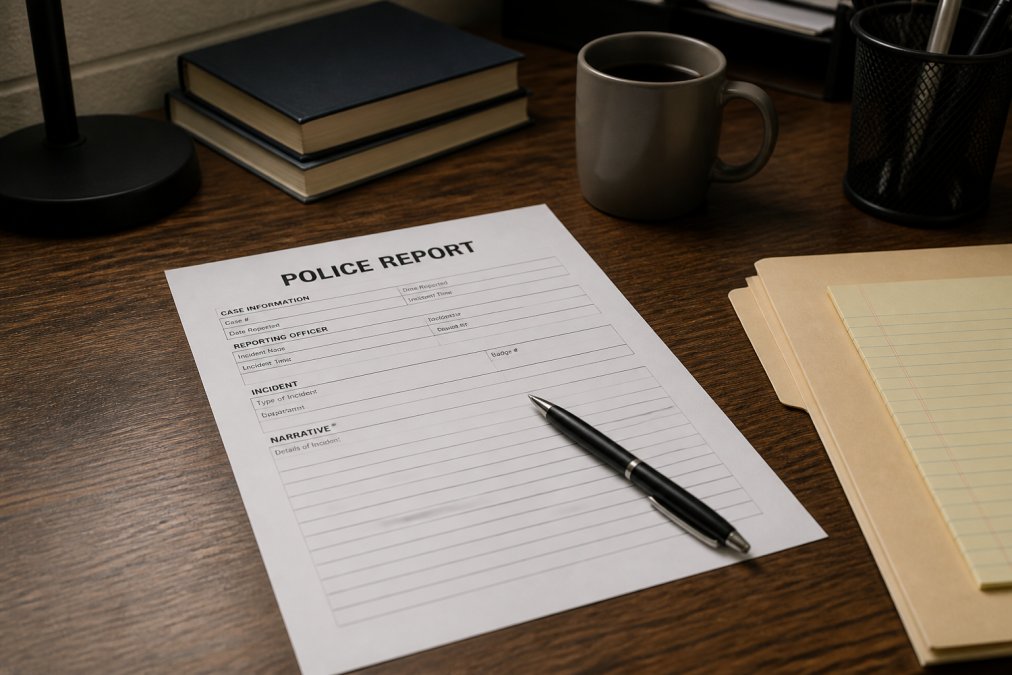
A crash report is the official police documentation of a traffic accident, filed by the responding officer at the scene. It contains the officer’s assessment of what happened, driver information, witness statements, vehicle damage details, and often a preliminary determination of fault. This document becomes the foundation for your insurance claim and any potential legal action.
The report includes specific details that insurance companies require: driver names and contact information, vehicle identification numbers, insurance policy numbers, descriptions of how the collision occurred, property damage estimates, and any citations issued. Many reports also document road conditions, weather, traffic signals, and the officer’s narrative of the incident. For insurance purposes, the official record carries legal weight that your personal account cannot match.
What makes a crash report valuable extends beyond insurance. If liability is contested, the police officer’s independent account often carries significant credibility in settlement negotiations. The report establishes an official timeline and creates a public record that third parties can reference. Without it, you’re relying on your memory and the other driver’s cooperation, which may not align when disputes arise.
How to Get a Georgia Police Report: Your Options
Obtaining your official accident report in Georgia involves several pathways, each with different timelines, costs, and convenience levels. Understanding your options helps you choose the route that best fits your situation and urgency.

Free and Low-Cost Routes
Georgia Department of Transportation (GDOT)
The Georgia Department of Transportation manages the GEARS database, which stores all traffic crash reports in the state. You can request your report directly from GDOT by mail or fax using their Individual Crash Report Request form. The cost is $5 per report, or $7 if you need a certified copy for legal proceedings (dot.ga.gov). Processing typically takes 5-10 business days, with reports returned by email or mail depending on your submission method (dot.ga.gov).
This route works well if you’re not in a hurry and want to go directly to the official source. The main limitation is the slower processing time compared to online portals. GDOT requires payment by money order or cashier’s check for mail requests, which adds an extra step if you don’t have these payment methods readily available.
Georgia Department of Public Safety (DPS) EPORTS
The state patrol maintains its own online portal called EPORTS for reports filed by the Georgia State Patrol, Motor Carrier Compliance Division, and Capitol Police. If your accident involved state troopers, this is often the fastest option. Reports are typically processed within three business days, and you receive email notification with a request number when your documents are ready. The fee is $5 per report, and you can download it directly through the portal.
The EPORTS system is straightforward and efficient for state-level incidents. However, it only covers reports from specific state agencies. If your accident was investigated by a local police department, you’ll need to contact that agency directly instead.
Local Law Enforcement Agencies
Many local police departments and sheriff’s offices in Georgia allow you to request reports directly. Some offer in-person pickup at their records unit, which can be the fastest option if you’re willing to visit their office. Others accept mail requests with a self-addressed stamped envelope. Fees typically range around $5 per report, though this varies by agency. Processing times generally range from a few business days to two weeks, depending on the department’s workload.
The advantage here is potentially faster pickup if you can go in person. The challenge is identifying which agency responded to your accident and understanding each department’s specific procedures. Some smaller departments have limited hours for records requests, which can complicate the process if you’re working a standard schedule.
Paid Third-Party Services
Georgia Accident Report (Free Service)
Georgia Accident Report provides a free, simplified service that handles the entire retrieval process for you. Instead of contacting multiple agencies or navigating different portals, you submit your accident details once, and the team retrieves your official police report at no cost. This eliminates the administrative burden of determining which agency has your report or managing the back-and-forth with government offices.
Beyond report retrieval, Georgia Accident Report connects you with car accident and injury lawyers who can review your case. This dual benefit makes it particularly valuable if you’re dealing with significant injuries or property damage and uncertain whether you need legal representation. There’s no obligation to hire an attorney, so you can use the service purely for report retrieval if that’s all you need.
The main advantage is convenience. Instead of spending hours on the phone or navigating government websites, you get professional handling of the entire process. The free model means you’re not paying upfront, though the service connects you with legal professionals who may eventually represent you if your case warrants it.
Georgia Department of Driver Services (SR-13 Form)
If police did not respond to your accident but you still need an official record, the Georgia Department of Driver Services provides Form SR-13, a Personal Report of Accident. This form allows you to create your own official documentation of the incident. The form is free, and you can submit it online or by mail.
The SR-13 is useful for minor accidents where police weren’t called but you need documentation for insurance purposes. However, it’s not a police report. It lacks the independent assessment and credibility that an officer’s investigation provides, so insurance companies may weigh it differently than an official police report.
How Long Do Car Accident Police Reports Take in Georgia?
The timeline for receiving your crash report depends on which agency investigated the accident and which retrieval method you use. Understanding these timeframes helps you plan accordingly, especially if you’re working against an insurance deadline.
State Patrol Reports (EPORTS)
Reports filed by the Georgia State Patrol typically process within three business days through the EPORTS portal (georgia.gov). Once your report is ready, you receive email notification and can download it immediately. This is often the fastest option available, especially if you need your report urgently.
Local Police Department Reports
Local agencies vary significantly in their processing times. In-person pickup at the records unit can sometimes be same-day or next-day, depending on whether the report has been finalized and filed. Mail requests typically take 5-10 business days from submission to delivery. Some departments are faster; others may take two weeks or longer depending on staffing and current workload.
GDOT Mail Requests
The Georgia Department of Transportation typically processes mail requests within 5-10 business days. If you request a certified copy, processing may take slightly longer. The timeline extends further if your request is missing information or if they need to locate your report in their database.
Georgia Accident Report Service
The Georgia Accident Report team handles report retrieval as their core function. Since they manage relationships with multiple agencies and understand the fastest retrieval pathways for each jurisdiction, they can frequently obtain reports.
When Buying a Crash Report Actually Pays Off
The decision to purchase or request a crash report depends on your specific situation. For some people, the cost and effort are essential investments. For others, a simpler approach works fine.
You need the report if liability is contested. When the other driver disputes fault or their insurance company claims your driver caused the accident, the official police report becomes critical evidence. The officer’s independent assessment, based on scene evidence and witness accounts, carries significant weight in settlement negotiations. Without it, you’re arguing your version against theirs with no neutral authority to break the tie.
Significant injuries or property damage make the report essential. If you’re dealing with substantial medical bills or your vehicle requires major repairs, the insurance company will scrutinize the claim carefully. They’ll want the official documentation to verify the accident actually occurred as described and to confirm liability. A crash report supports your claim’s credibility and can prevent insurance companies from denying coverage based on disputed facts.
You’re considering legal action. If you’re thinking about hiring an attorney for an injury claim, they’ll need the official report to evaluate your case and build your legal strategy. Attorneys use the police report to understand what happened, identify liable parties, and assess the strength of your position. Having this document ready when you consult with a lawyer speeds up the process and demonstrates that you’ve taken the necessary steps to document the incident.
The other driver fled the scene or is uncooperative. If you didn’t get the other driver’s information or they’ve become unresponsive, the police report becomes your primary evidence of their involvement. It establishes that the accident was officially documented and creates a public record of the incident that insurance companies will recognize.
You need to document the accident for your own records. Even if your insurance claim is straightforward and liability is clear, having the official report protects you if issues arise later. If the other driver’s insurance company later disputes the claim or if questions emerge about the accident details, you have an authoritative document to reference.
The Hidden Costs of Delay and DIY Retrieval
Many people assume that retrieving a crash report themselves saves money. In reality, the hidden costs of delay and DIY retrieval often outweigh any savings.
Time investment compounds quickly. Calling multiple agencies to determine which one has your report, navigating different websites, waiting on hold, and following up on missing information takes hours. If you’re working a full-time job, this time has real value. For many people, the opportunity cost of those hours exceeds the fee for a professional service.
Missed insurance deadlines create bigger problems. Insurance companies often require the police report within a specific timeframe to process your claim. If you delay requesting the report and then encounter processing delays from the government agency, you might miss your insurer’s deadline. This can result in claim denial or reduced coverage, which costs far more than the price of expedited report retrieval.
Errors in your request delay everything. If you submit an incomplete request to a government agency, they’ll contact you for more information. This back-and-forth adds days or weeks to the process. Professional services know exactly what information agencies need and submit complete requests the first time, avoiding these delays.
Incomplete documentation weakens your negotiating position. If you’re trying to settle a claim or negotiate with the other driver’s insurance company, having your official report ready immediately strengthens your position. Delays suggest uncertainty or disorganization, which can embolden the other party to push back harder on liability or compensation. Having everything documented and ready signals that you’re serious and organized.
Multiple requests to different agencies create confusion. If you contact GDOT, the state patrol, and your local police department separately, you might end up with duplicate requests or conflicting information about which agency has your report. This confusion extends timelines and can result in incomplete documentation.
Verdict: Is Buying a Crash Report Worth It?
For most people involved in a significant accident, obtaining your official crash report quickly and reliably is worth the investment. The report serves as your most credible evidence of what happened, and having it ready protects your insurance claim, supports any legal action you might pursue, and strengthens your negotiating position if liability is contested.
The real question isn’t whether to get the report, but how to get it most efficiently. If you’re dealing with minor damage, liability is clear, and your insurance company has already accepted the claim, you might manage fine with a free government request. But if there’s any complexity, contested liability, significant injuries, an uncooperative other driver, or uncertainty about which agency has your report, the convenience and speed of a professional service justify the cost.
Georgia Accident Report eliminates the administrative burden by handling report retrieval at no cost while connecting you with legal professionals who can advise whether your case requires representation. This approach protects your interests without forcing you into a legal relationship you might not need. Request your free accident report and gain access to expert guidance on your next steps.
Frequently Asked Questions
How long does it take to get a police report in Georgia?
Processing time depends on your source. The Georgia Department of Public Safety (DPS) EPORTS portal processes reports within three business days. Local law enforcement agencies vary by jurisdiction—some offer in-person pickup within days, while mail requests may take 1-2 weeks. Direct requests to the Georgia Department of Transportation (GDOT) Crash Reporting Unit take longer via mail or fax. Free services like Georgia Accident Report handle the legwork of contacting agencies on your behalf, eliminating the need for you to track multiple departments.
Are there fees associated with obtaining an accident report in Georgia?
Yes, most official sources charge per report. The Georgia Department of Public Safety charges $5 per report through EPORTS. GDOT charges $5 per report, plus $2 for a certified copy. Local law enforcement agencies typically charge $5 per report, though fees vary slightly by agency. Free alternatives include Georgia Accident Report, which retrieves your official report at no cost. If your accident was minor and no police report was filed, you can file Form SR-13 (Personal Report of Accident) with the Georgia Department of Driver Services at no cost, though this is not an official police report.
Why is an official police report critical for insurance claims?
Insurance companies require official police documentation to verify the incident, establish liability, and process claims fairly. The report contains the officer's independent assessment of fault, witness statements, vehicle damage descriptions, and driver information—details your insurance adjuster uses to determine coverage and settlement amounts. Without an official report, you rely solely on your account, which weakens your position in contested liability situations. The report serves as legal evidence in disputes and supports your credibility when negotiating fair compensation.
Can I get a copy of my accident report for free?
Direct government sources charge $5 per report in Georgia. However, Georgia Accident Report provides free retrieval of your official police report with no obligation or cost. If your accident was minor and no police report was filed, you can file Form SR-13 (Personal Report of Accident) with the Georgia Department of Driver Services at no cost, though this is not an official police report.
Request a copy of your free accident report:
"*" indicates required fields